Let's be honest, starting a blog can feel a lot like launching a tiny paper airplane into a hurricane. You’re fueled by passion, but the sheer volume of information about themes, plugins, SEO, and "best practices" can quickly turn excitement into overwhelm. You just want your brilliant ideas to find an audience, without needing a degree in computer science or a bottomless marketing budget. ⏱️ 9-min read
I get it. I’ve been there, staring at a blank WordPress dashboard, wondering which of the gazillion options would actually make a difference for a burgeoning site. This isn't another abstract theory session. This is your practical, no-fluff guide, written from the trenches, pairing specific WordPress themes and plugins with concrete growth tactics. Consider me your coffee-shop confidante, ready to cut through the noise and show you how to truly accelerate your small blog's growth.
Choose a Fast, Flexible WordPress Theme for Growth
For a small blog, speed isn't just a nice-to-have; it's the foundation upon which everything else is built. Think of your theme as the chassis of a high-performance car. You wouldn't try to win a race with a clunky old delivery truck, would you? Yet, I've seen countless new bloggers pick themes that load slower than dial-up internet in the 90s. The problem? Google (and your readers) hate slow sites. A sluggish theme means higher bounce rates, lower search rankings, and an overall user experience akin to waiting in line at the DMV.
That's why prioritizing a lightweight, responsive theme with clean code is non-negotiable. Free options like Astra Free, GeneratePress, Neve, and Kadence aren't just good; they're excellent. These themes are built to minimize bloat, so your pages load in a flash on typical hosting plans, even if you’re on a budget. They're designed to be modular, allowing you to activate only the features you truly need, rather than wrestling with a dump truck full of options you'll never use.
When I’m advising a new blog, I always push for themes that are inherently mobile-responsive and accessible. A good theme adapts seamlessly to smaller screens, ensuring your content looks fantastic whether someone's on a desktop or squinting at their phone. Beyond just looks, it should support keyboard navigation, screen readers, and high-contrast options. In practice, that means clear typography, tappable buttons, and menus that don't vanish on you mid-scroll like a bad magic trick. Seriously, don’t make your readers hunt for the navigation.
Finally, ensure your chosen theme plays nice with the WordPress block editor (Gutenberg). A block-friendly theme means you can drop in content blocks with predictable styling, requiring fewer CSS battles and late-night tantrums. This translates to faster content creation, fewer surprises, and a consistent look across all your posts, which is crucial for building a professional brand. Many of these themes also come with built-in schema markup, which is like giving Google a direct cheat sheet about your content – a silent SEO boost without adding another plugin.
Core Plugins That Actually Accelerate Growth (Speed, SEO, Conversions)
When you're building a small blog, the urge to install every shiny plugin you see can be overwhelming. But just like trying to carry every grocery bag in one trip, it usually ends in a messy, slow disaster. My philosophy? Pick a focused trio that tackles your core needs without turning your site into a plugin playground.
First up, speed at the core. You absolutely need a robust caching plugin. I swear by options like WP Rocket or LiteSpeed Cache (if your host supports it) because they serve static copies of your pages, making them load in a flash. Cached pages aren’t just good for user experience; they significantly improve Core Web Vitals and reduce server strain. Turn on page caching, minification, CSS/JS deferral, and lazy loading. You’ll see real gains without breaking your layout. And if you’re using tools like Trafficontent to publish content across multiple platforms, having a lightning-fast site ensures those links perform optimally wherever they land.
Next, you need SEO that guides itself. For on-page optimization, you can't go wrong with either Rank Math or Yoast SEO. These plugins are your co-pilots, helping you craft clean meta titles and descriptions, generate XML sitemaps, and implement schema markup without needing to learn code. Their real-time readability and SEO checks are like having a tiny, insistent editor on your shoulder, pointing out issues before Google even notices. Keep your focus keywords tightly aligned with your content and start building tidy internal links; it’s a simple way to boost page authority over time.
Finally, images that don’t slow you down. Images are crucial for engaging content, but they’re also often the biggest performance killers. Use Smush or Imagify to compress images with minimal quality loss. Features like bulk optimization, lazy loading, and WebP support shrink file sizes significantly while keeping your visuals sharp. Automate compression on upload, and make it a habit to audit image-heavy posts to maintain fast load times across all devices. Trust me, nobody wants to wait for a beautiful image to load when they could be scrolling to your next brilliant paragraph.
Beyond these core three, consider light analytics (MonsterInsights or a simple Google Analytics setup) and a conversion helper like Mailchimp for WP or ConvertKit for email capture. The goal is functionality without the bloat – choose wisely, and your blog will thank you.
SEO and Content Planning Tools That Actually Move Traffic
Alright, let’s talk traffic, because yelling into the void isn't exactly a sustainable growth strategy. You can write the most brilliant articles in the world, but if no one finds them, you might as well be writing in a secret diary.
First up: keyword research. This is how you figure out what your audience actually cares about. It's like being a mind reader, but with data, which is arguably more reliable than psychic powers. I use free tools like Google Keyword Planner (you just need a Google account!) or Ubersuggest to sniff out popular topics and understand search volume. These tools help you discover the exact phrases people are typing into search engines, so your content actually hits the mark. But here's the kicker: don't just chase high-volume keywords. You absolutely must understand the user intent behind those searches. Is someone looking for information, a product, or a quick laugh? Knowing if they want "how-to" advice or "best product reviews" completely changes how you structure your content and ultimately, how well it performs. For example, if someone searches "best running shoes," they're probably looking to buy, not for a history lesson on footwear.
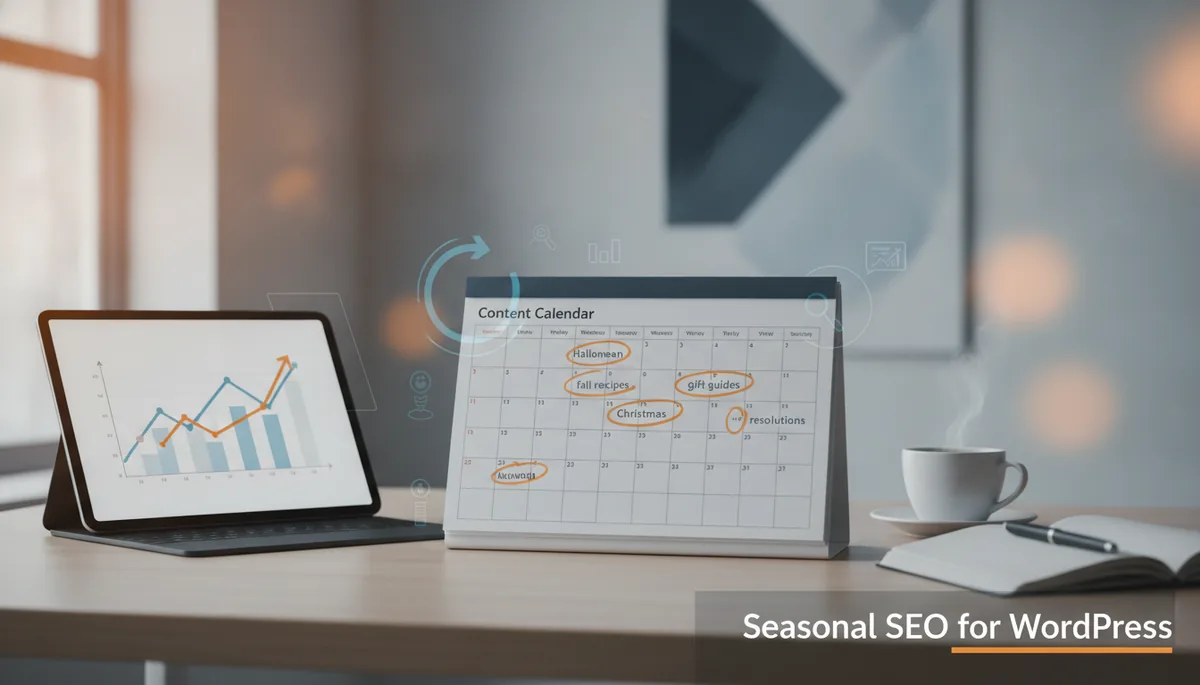
Once you have your keywords, a content calendar becomes your best friend. This simple organizational tool helps you plan topics, schedule publishing dates, and ensure a consistent flow of fresh content. No more frantic "what should I write about today?" moments. Paired with a tool like Link Whisper, which intelligently suggests internal links within your site, you’ll boost crawlability, improve user experience, and increase session depth. Think of internal linking as building a clear roadmap for both your readers and Google, guiding them deeper into your site like a charming tour guide, instead of leaving them stranded on a one-way street.
Finally, don’t forget the technical SEO elements that make your content understandable to search engines. Implement schema markup and Open Graph tags. Schema tells Google exactly what your content is about (e.g., a recipe, an article, a product), while Open Graph ensures your links look fantastic when shared on social media. For an advanced kick, I’ve seen small blogs leverage tools like Trafficontent to automate the creation of SEO-friendly posts, complete with optimized images and automatic distribution across various channels. It's like having an SEO fairy godmother, making sure your content not only gets written but also gets found and shared. The goal is to move beyond just writing and start *strategizing* for traffic.
Speed Optimization and Performance Best Practices
If you've ever waited for a webpage to load, feeling your patience drain away like sand through an hourglass, you know exactly why speed matters. Google measures everything, and your page load time is a massive factor for both SEO and user experience. Seriously, a slow site can kill your growth faster than a cat chasing a laser pointer.
My first port of call for any blog looking to pick up the pace is image compression and lazy loading. Start by compressing *every single image* before you upload it. Plugins like Smush or Imagify can automate this, and also handle bulk optimization for existing media. Enable lazy loading for all media – WordPress 5.5+ offers native lazy loading, but these plugins provide even more control. Using responsive `srcset` and serving images in modern formats like WebP when possible are like giving your images a superhero cape, making them load faster and look sharper. I always track the impact with Core Web Vitals and aim for a fast First Contentful Paint. A tiny bonus: smaller hero images really speed up that crucial "above-the-fold" rendering.
Next, let's talk about browser caching. This is where your site tells a visitor's browser to remember certain static assets (like CSS, JavaScript, images, and fonts) for a set period. By setting "far-future expirations" via `.htaccess` (for Apache servers) or Nginx config, or relying on your host's caching, return visits load instantly. It's like your website is saying, "Hey, we've met before, remember my outfit?" Use versioned file names (e.g., `style.css?v=2`) to bust caches when you update files, so everyone sees the latest version.
Minifying CSS and JavaScript is another quick win. Tools like Autoptimize or Fast Velocity Minify strip out unnecessary whitespace, comments, and unused code, shrinking your file sizes. Enable defer or asynchronous loading for non-critical JavaScript to prevent it from blocking your page's rendering. Always test after these changes with tools like Google Lighthouse to ensure nothing breaks – you don't want to fix speed only to break your contact form! Keep an eye on inline styles; too many can trigger Cumulative Layout Shift (CLS), which Google frowns upon.Finally, your hosting and CDN are critical. Pick a reputable WordPress-optimized host (SiteGround, Kinsta, WP Engine, or a higher-tier Bluehost plan) that offers PHP 7.4+/8.0+, SSD storage, and solid uptime. You wouldn’t build a skyscraper on a shaky foundation, right? Then, add a Content Delivery Network (CDN) like Cloudflare. A CDN serves your content from servers physically closer to your visitors, drastically reducing load times, especially for a global audience. It's like having local distribution centers for your website content, rather than shipping everything from one central warehouse. By consistently testing with Lighthouse and pruning unused themes and plugins, you'll keep your blog snappy and ready to grow.