Growing a WordPress site isn't a sprint or a lottery ticket—it's a steady, repeatable process. In this guide I share a framework I use with small blogs and growing creators: set clear goals, build audience-driven content, lock in a clean WordPress setup, and push content with light-touch promotion. No ad dumping. No guesswork. Just a system you can copy, run, and improve every 90 days. ⏱️ 11-min read
Think of this as the playbook you wish you had on day one: templates, tactical steps, and examples that make scaling feel less like rocket science and more like sensible yard work. Expect practical checklists, SEO-ready templates, and pointers to tools (yes, Trafficontent gets a cameo) so you don’t reinvent the wheel every time you publish.
Set clear goals and success metrics for a scalable WordPress strategy
Listen: a content calendar without goals is like a grocery list with no dinner plan—you buy a bunch of stuff and stare at it at 7pm. Start by converting vague hopes ("more traffic") into explicit business outcomes: revenue, signups, trials, or support load reduction. Pick 2–3 primary KPIs that actually move the needle (monthly qualified leads, trial signups, conversion rate on a landing page), then create 90-day milestones. I usually run goals that look like this: publish six long-form pillar guides, ship three product-focused posts, and hit X qualified leads from organic traffic.
Make goals SMART: specific, measurable, achievable, relevant, time-bound. Example: "Increase organic signups by 20% in 90 days by publishing six pillar guides and three product comparison pages with CTA to the free trial." That’s a plan, not a wish. Track beyond pageviews—measure conversions, scroll depth, time on page, and retention. Traffic is a flashlight that shows you where people are; conversions tell you what they did when they got there.
Operationalize goals by mapping content to outcomes. For each post decide: primary KPI, CTA, expected visitor journey, and owner. That stops content from being a creative freestyling session and makes it a business tactic. If you don’t want to babysit a spreadsheet, set dashboards in Google Analytics or your favorite analytics tool so the numbers are always obvious (and if you need help: https://support.google.com/analytics).
And yes, set an error budget for your expectations—growth isn't linear. Celebrate the small wins, scrub the flops, and treat your goals like a compass, not a straightjacket. If your content strategy had a dating profile, this is the “knows what they want” line—appealing and useful, not desperate.
Know your audience: build personas that guide topics and formatting
Content without audience insight is like throwing a party with no guest list—somebody's going to be disappointed, usually you. I always begin by digging into data: top-performing posts, referral sources, and search queries. Then I add qualitative checks—short surveys for subscribers and a quick look at competitors’ top content. That triangulation tells you what people actually want versus what you assume they want.
Turn that research into 2–3 personas. Give them names and details—“Marketing Mary,” age 32, wants tactical guides and templates; “Hobbyist Henry” prefers quick how-tos and visuals; “Founder Fiona” looks for ROI, case studies, and process. For each persona map their goals, pain points, preferred format, and where they hang out online. This mapping keeps your content choices grounded: a tutorial for Mary, a checklist for Henry, and a long-form case study with numbers for Fiona.
Use these personas to shape both topic and format. Don’t just ask "what should I write?"—ask "what problem am I solving for which persona, and what call-to-action nudges them forward?" Personas also make headline testing less arbitrary. When you see a headline doing well, note which persona it served and replicate that pattern, rather than chasing a nebulous “viral” feeling.
Pro tip: name your personas and put them on the editorial brief. When the author is writing, they’ll picture “Marketing Mary” instead of an abstract reader. It sounds silly until you realize it reduces rewrites and gives your tone consistent direction—like hiring a fictional but very demanding editor who drinks too much espresso.
Craft a repeatable content plan and editorial calendar
A scalable content engine balances evergreen pillars and timely posts. I recommend choosing 3–5 pillar topics that map directly to your personas’ core questions—these become the long-term library. Then create clusters of supporting posts (how-tos, checklists, product roundups) that link back to each pillar. Think of the pillar as the spine and the cluster posts as ribs—together they make something search engines and humans can understand.
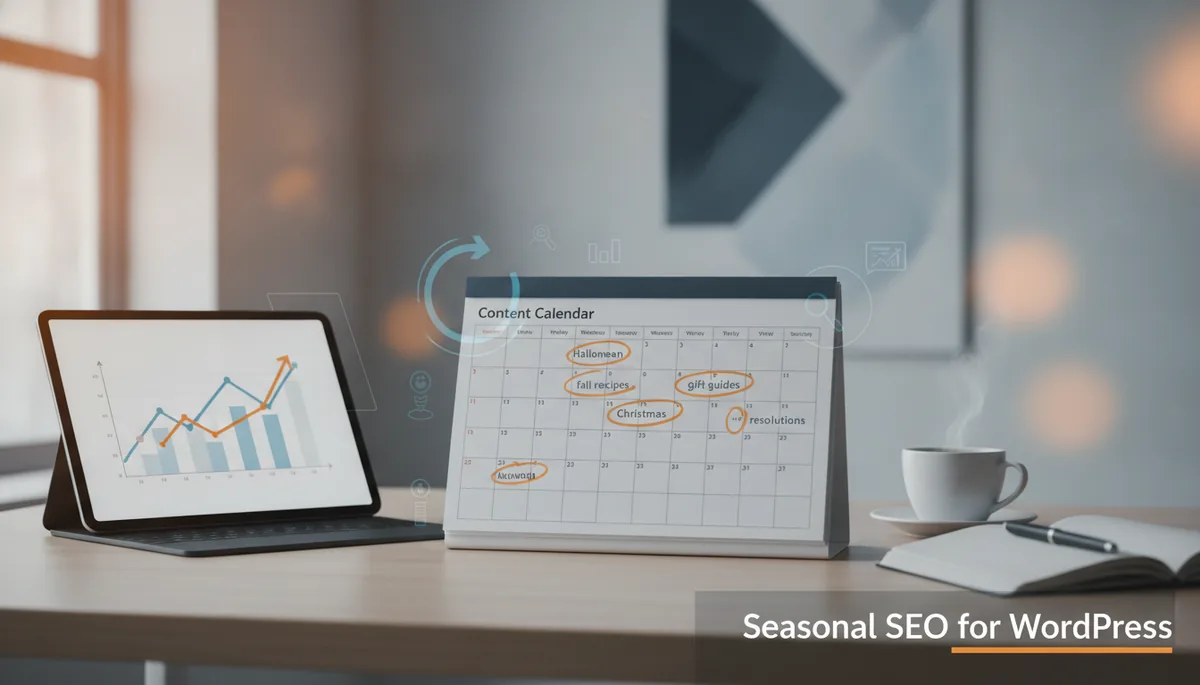
Make a 90-day editorial calendar that mixes: pillars (2–3 per quarter), weekly timely posts, and short social pieces. Define content types—long-form guide, checklist, comparison, case study—and standardize lengths and formats. Assign owners: author, editor, SEO lead, and designer. Use a template in WordPress or a simple spreadsheet to track title, target keyword, persona, primary CTA, publish date, and status. This keeps the pipeline from becoming topic soup.
If you’re short on production capacity, tools like Trafficontent can automate initial drafts, generate images, and prepare social-ready snippets—this is useful when you need to scale without multiplying headcount. But don’t treat automation as a substitute for strategy; it’s an efficiency tool, not a creative brain.
One practical cadence I use: one pillar + 6–10 supporting posts per quarter, with one supporting post published each week and a pillar every 6–8 weeks. That gives enough signal to search engines and consistent content for readers. Editorial calendars aren’t linoleum flooring—update them, shuffle topics, and refresh priorities each 90 days based on which pillars are moving your KPIs. If your calendar were a playlist, this is where you swap out the one song nobody skips and keep the hits on repeat.
WordPress setup for growth: architecture, speed, and essentials
Build the road before driving a convoy of content down it. Your WordPress architecture should be chosen for reliability and simplicity. For most growing blogs I recommend self-hosted WordPress.org for control and plugins, paired with managed WordPress hosting (WP Engine, Kinsta) or a well-configured VPS. Avoid cheap shared hosts if you expect growth—sites that go viral and then melt under traffic are not fun to revive.
Pick a lightweight theme (Astra, GeneratePress, Neve) and use a child theme for safe customizations. Lean on minimal page builders; too many drag-and-drop modules can turn a site into a slow, clunky Frankenstein. Use clear categories and logical permalinks—/topic/post-name—so both readers and search engines can parse your structure.
Core plugins are not glamorous but they matter: an SEO plugin (Yoast/Rank Math), a caching plugin (WP Rocket or host-level caching), image optimization (ShortPixel or native WebP conversion), and a security plugin. Set up a CDN (Cloudflare or BunnyCDN) to serve assets from edge locations and reduce latency. Monitor uptime, error rates, and load times so you don't wake to a meltdown when a post performs well.
Performance and architecture go hand in hand. Autoscaling, staging environments, and backups are not optional if you plan to scale; they’re the insurance policy. I once had a post hit the front page of a niche forum and the site crawled to a stop because of an unoptimized image gallery—lesson learned: test your theme and hosting under simulated load before you publish your first pillar.
Reference: WordPress.org is a great starting point for hosting and platform choices: https://wordpress.org.
SEO-ready post templates and on-page optimization
Consistency in on-page SEO is a secret weapon. Create a reusable post blueprint that every author follows: title options, meta description formula, H1 / H2 hierarchy, a standard FAQ block, recommended word count range, and schema signals. This takes the guesswork out of optimization and helps content rank more predictably.
A practical blueprint looks like this:
- Title options: primary keyword + emotional modifier; alt long-tail title.
- Meta description: 120–155 characters, include CTA and target phrase.
- Intro: state the problem, promise the outcome, include keyword within 50–100 words.
- H2s: answer user intent; H3s for steps or examples.
- FAQ block: 3–6 short Q&As using long-tail queries (good for People Also Ask and schema).
- Internal links: 2–4 contextual links to pillars and relevant posts.
- Schema: Article, FAQ, or Product markup where appropriate.
Image SEO matters: compress and use descriptive filenames and alt text. Convert images to WebP where possible. Use lazy loading for below-the-fold images to improve initial load times. Always add internal links from new posts back to a pillar—this helps pass relevance and makes your site easier for crawlers to understand.
One practical habit: make “SEO QA” a final checklist item before publishing. Check title length, meta, slug, canonical tags, schema, internal links, and image sizes. If you automate parts of this with a workflow tool, your editors will thank you (and so will Google). A consistent post template makes your content machine predictable—and predictability is boring but effective, like a reliable coffee machine, not a jittery espresso shot that collapses after one sip.
Content creation workflow and automation
Scaling content means turning chaos into a conveyor belt. Document every step from ideation to publish: research, outline, draft, visual assets, SEO QA, copy edit, and publish. For each step assign an owner and a time window. A documented workflow removes bottlenecks and keeps content moving like clockwork, not a relay race where someone misplaced the baton.
Use templates and checklists to speed up writing. I give writers a standard brief: target keyword, intent, persona, required word count, external sources, and internal links. That reduces back-and-forth. For images, provide design specs—cover photo size, chart formats, and caption requirements—so visuals are consistent and fast to produce.
Automation tools help where repetition eats time. Tools like Trafficontent can generate draft outlines, produce SEO-optimized copy snippets, suggest internal links, and create social-ready posts and images. Use automation for the heavy lifting—first drafts, meta tags, alt text—then apply human editing to add nuance, voice, and examples. Automation should be a force multiplier, not an author replacement.
Implement a publishing checklist in WordPress (or your CMS): final proofread, SEO QA, schema applied, internal links checked, and social snippets filled. Schedule a short editorial review meeting weekly to keep the calendar aligned. Treat the workflow like a kitchen line: the person plating (publishing) should have everything prepped, or the service slows to a crawl. If your process were a restaurant, this is where mise en place saves dinner service.
Distribution, promotion, and audience engagement
Publishing is the start of distribution, not the finish line. Repurpose posts into formats that meet people where they are: short threads for X, visual pins for Pinterest, slide decks for LinkedIn, and short email snippets for your list. Don’t spray-and-pray—target channels where your personas live.
Email remains the most dependable distribution channel. Build simple lead magnets tied to pillar content (templates, checklists, or a short course) and gate them behind a signup. Use your welcome sequence to deliver value and guide new subscribers toward your top content. Encourage comments on posts with an open-ended question and reply quickly—engagement signals matter and readers appreciate a human reply.
Pinterest works unusually well for how-to and product content; LinkedIn is great for case studies and professional audiences. Repurpose one post into a week’s worth of content: a short article, five social posts, two visuals, and an email. Automation platforms can queue these assets to publish over time so one post keeps delivering value without constant manual effort.
Light paid promotion can jumpstart key pieces—think $50–$150 to promote a pillar guide to a lookalike or interest-based audience—then let organic distribution take over. But prioritize organic channels first. Also, capture audience signals: add a simple on-page poll or short survey to learn why people came and whether the content solved their problem. If you want to grow without money, relevance and repeat value are your friends—not ad budgets.
Measure, iterate, and monetize with lean ads and value-first growth
A 90-day review cadence is my favorite productivity hack. Every quarter, audit your analytics: top-performing posts, engagement metrics, pages losing traffic, and conversion paths. Refresh top posts with updated facts, better visuals, and stronger CTAs. Archive or redirect posts that are cannibalizing keywords or no longer aligned with your goals. Treat the audit like pruning a tree—cut away what's not working so new growth gets sunlight.
Track success with your chosen KPIs—organic signups, demo requests, affiliate revenue, or conversion rate. If a pillar underperforms, diagnose: poor intent match, thin content, weak internal links, or slow load times. Use experiments: tweak meta titles, add FAQ schema, or rework CTAs for a small sample and measure results before rolling out changes sitewide.
Monetization should be patient and value-first. Start with affiliate links naturally placed within helpful content, a small product suite (templates, courses), or light consulting offers. If you run ads, keep them lean: test small campaigns to amplify a proven pillar rather than promoting everything. Ads are a power tool for accelerating what already works; they’re not a substitute for a solid content engine.
Finally, invest in a content refresh schedule. Older posts with steady traffic can often be updated to improve conversions by adding new examples, updating keywords, and strengthening internal links to newer product pages. Small changes can yield disproportionate returns. In my experience, a disciplined review cycle and a few strategic updates are what turn a decent blog into a real business channel—like tending a garden so it keeps producing rather than just looking pretty.
Next step: pick one pillar topic and draft your 90-day calendar today. Then publish one supporting post this week. Repeat. If you want templates or a starter editorial calendar, tell me your niche and I’ll sketch one you can drop into WordPress.
Reference links: WordPress.org (https://wordpress.org), Google Analytics help (https://support.google.com/analytics), and web performance guidance (https://web.dev/fast/).