If you've ever promised your readers "new posts every week" and then ghosted them for a month, you know the cruel truth: good intentions don't scale. I build content routines for small teams and solo creators, and the single biggest win I've seen is not more creativity—it's a calendar you actually use. This guide gives a plug-and-play editorial calendar for WordPress that keeps publishing steady without turning you into a spreadsheet hermit. ⏱️ 10-min read
You'll get a realistic cadence strategy, the WordPress setup that supports it, a ready-to-copy calendar template, keyword planning advice, a repeatable production workflow (with automation tips), and simple tracking metrics. Think practical, not perfect. By the end you'll have a plan you can implement this week—no smoke, minimal mirrors, and a lot less panic at 11:50 p.m. on publication day.
Editorial Cadence, Roles, and Theme Mapping
Consistency is a habit you train—not a heroic sprint you attempt once. Set a cadence that matches your resources and your audience’s expectations: two manageable posts a week, a pillar post each month plus weekly updates, or even one deeply-researched post every ten days. I tell teams to pick a rhythm they can sustain for three months and treat it like an appointment with a polite, persistent friend. If you can't show up, they're going to start bringing snacks and judgment.
Define who does what. Map roles like this: Contributor drafts, Editor reviews and requests revisions, Publisher finalizes formatting and schedules. Add a one-page handoff checklist attached to each draft—fields for meta title, focus keyword, featured image, alt text, category, tags, and canonical URL. That checklist is the duct tape of publishing: ugly but essential. Use WordPress roles (Contributor, Author, Editor, Admin) rather than ad-hoc permissions; it keeps the sandbox from turning into a demolition derby—see the official guidance on roles at WordPress.org.
Theme mapping stops you from publishing a random stew of topics. Create a three-month theme library—examples: “Getting Started Guides,” “Tools & Case Studies,” “Seasonal Campaigns”—and assign each post a theme. Themes improve internal linking, make it easier for readers to binge related content, and help you batch research and asset creation. I once worked with a solo creator who mapped an entire quarter to “Beginner How-Tos”; results: fewer late nights and a steady 20% lift in returning visitors. And yes, themes are the editorial equivalent of meal prepping: less chaos, more tasty leftovers.
WordPress Setup That Supports a Content Plan
Your content plan deserves a website that gets out of the way. If you're deciding between WordPress.com and WordPress.org, pick the one that fits your growth path: WordPress.com is simpler, WordPress.org is more flexible. For most creators aiming to grow traffic and control SEO, self-hosted WordPress.org is the better long-term bet—because someday you'll want to install a plugin that isn't shipping with a cuteness factor.
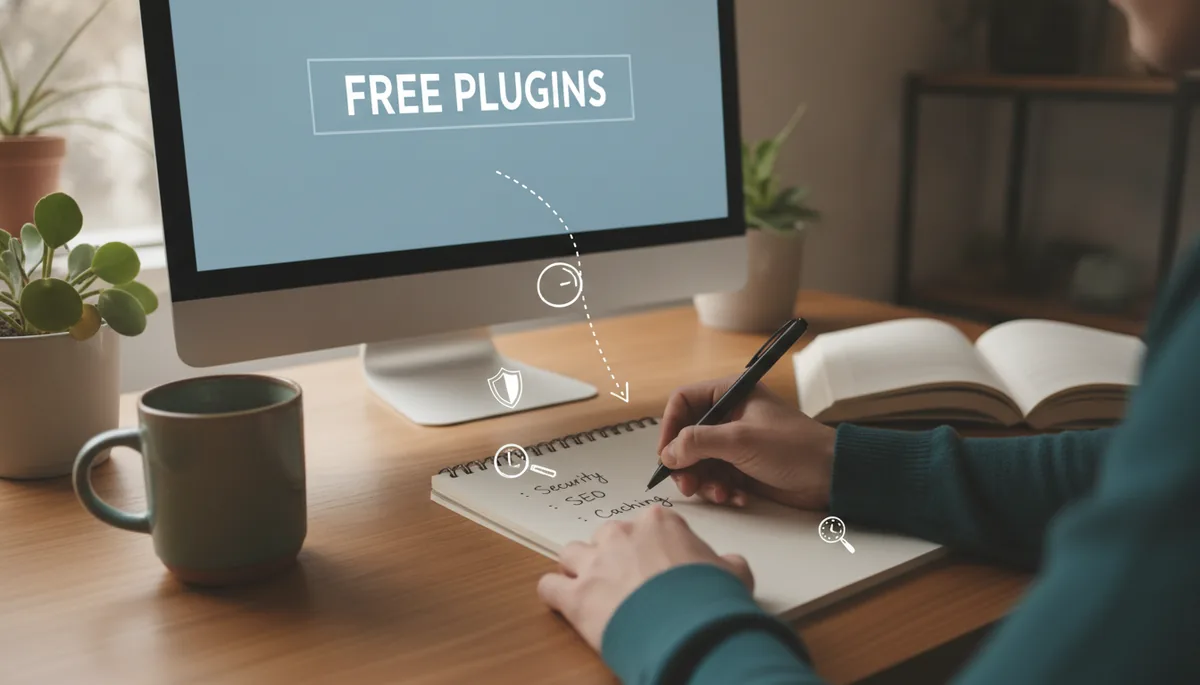
Keep the theme lightweight. Choose a starter theme focused on speed and clean markup; avoid multipurpose behemoths that bundle twenty widgets you’ll never use. Install three core plugins: an SEO plugin (e.g., Yoast or Rank Math), a caching plugin for speed, and an analytics/plugin that ties into GA4 for tracking. Resist the temptation to install every shiny add-on—plugin bloat is performance kryptonite and a great way to get acquainted with the word "slow."
Use categories and tags like a librarian, not a hoarder. Limit categories to 4–6 top-level buckets (How-To, Guides, Case Studies, News) and use tags for recurring themes or tools. For diverse content types—tutorials, podcasts, case studies—consider custom post types so each format has its own template and metadata (e.g., duration for podcasts or difficulty level for tutorials). Finally, set up a simple editorial view inside WordPress with the Editorial Calendar plugin or the built-in list view so editors can see scheduled posts at a glance. A tidy WordPress backend saves hours of frustration; trust me, chaos is not a feature.
A Practical Content Calendar Template
Pick a single source of truth and use it. I’ve seen calendars live in Google Sheets, Notion, Trello, and even plain old Excel. The tool doesn’t matter as much as discipline—pick one and use it faithfully. Here’s a compact template you can copy and paste into Sheets, Notion, or Trello: each column is a contract you shouldn’t break.
- Publish Date
- Title / Working Headline
- Primary Keyword
- Format (pillar, how-to, roundup, case study)
- Author
- Status (Idea, Assigned, Draft, In Review, Scheduled, Published)
- Category / Theme
- Distribution Plan (social channels, newsletter)
- Notes & Assets (images, CTAs, backlinks)
Populate the calendar with recurring slots—e.g., Monday: Short how-to, Thursday: Long-form pillar. That’s your cadence scaffolding: think of it like the scaffolding on a building site; it keeps everything standing while you finish the pretty parts. I recommend pre-staging 4–6 weeks of content as a buffer. Start by brainstorming a quarter’s ideas, then schedule those ideas into your template with owners and deadlines. Color-code statuses and add a column for "buffer weeks" so you can insert guest posts or evergreen refreshes when someone eats a deadline (or a dog eats your deadline—I've seen stranger excuses).
If you want a quick Trello-style board, create lists for each status and cards with the fields above. That gives you a visual pipeline without forcing you to wrestle with formulas. The key is auditability: every team member should be able to see what's due next, who's blocked, and what’s ready to publish.
Keyword and Topic Planning for Traffic
Keywords aren't spells; they're clues. Start with seed terms that describe the problems your audience actually searches for, then expand using tools like Google Keyword Planner (official tool) or your favorite keyword tool. Look for long-tail queries—those are the low-hanging fruit that convert better and are easier to rank for than ultra-competitive head terms. Also, read search intent: are people asking "how to," "best," or "review"? Match the format to intent.
Build topic clusters around pillar content: one comprehensive pillar post that covers a broad subject, and 4–8 supporting posts that dig into specific subtopics. In your calendar, schedule the pillar post first, then follow with supporting posts spaced over the next 6–8 weeks. That sequence helps you capture initial visibility and then funnel internal links back to the pillar. Internal linking is the tiny engine that can make your content strategy feel like rocket fuel when done right—so stop linking every occurrence of your keyword to the homepage like a maniac.
Tag each calendar entry with its target keyword and the post it supports. Use brief briefs: a one-paragraph angle, target word count, and specific questions to answer. Keep alternate angles on hand for quick pivots—if research shows a keyword is trending, you should be able to swap a topic into next week’s slot without rewriting your life story. I often automate keyword placement with tools that inject targets into the calendar, but the smart move is human judgment: always check whether a machine-suggested keyword actually matches your audience’s language. Machines are helpful assistants, not your content's creative director (yet).
Production Workflow and Automation
Turn publishing into an assembly line without draining the joy out of writing. A reliable workflow has five repeatable stages: Draft → Edit → Assets → SEO Check → Schedule. For each stage, set a time-bound SLA: e.g., drafts due 7 days before publish, edits returned within 48 hours, images ready 24 hours before scheduling. Use an editorial checklist at the "SEO Check" stage that includes meta title (under 60 characters), meta description, focus keyword in H1/H2s, image alt text, and a link plan. That checklist is your armor against "I forgot the meta" syndrome.
Automation can remove busywork. Tools like Trafficontent (which I use in client workflows) can suggest SEO-optimized drafts, auto-populate metadata, and schedule cross-posts to social channels like Pinterest, X, and LinkedIn. If you automate, ensure UTM parameters are appended to links and Open Graph metadata is set—otherwise, your beautifully automated tweet will have an ugly preview and traffic sources will be a guessing game. Remember, automation should serve visibility and speed, not remove critical human edits. Auto-drafts are great until they start writing dad jokes in your voice.
Use WordPress features to streamline production: custom fields for required metadata, reusable blocks for CTAs, and a media library organized by post or theme. For image workflow, maintain a shared folder with templates for featured images (consistent dimensions and brand overlays). Batch work where possible—write three posts in a sitting, then schedule edits and asset creation in a separate block. Batching reduces context-switching, which is the number one productivity killer disguised as multi-tasking. Also, build a small "content emergency kit": pre-approved guest posts, evergreen how-tos, and a list of quick graphics you can produce in under an hour when the plan collapses.
Publishing, Promotion, and Performance Tracking
Publishing is not a finish line—it's the starting gun for distribution and measurement. Publish with predictable timing (same day/time each week) so your audience learns when to come back. Complete metadata before scheduling: slug, canonical, meta title/description, OG image, and an SEO checklist run. Consistency in metadata makes analytics less noisy and social shares look polished, which matters more than you think—people click pretty previews. If you publish frequently, set up an XML sitemap and submit it to search consoles to speed indexing.
Promotion doesn't need to be elaborate. Draft a simple distribution plan for each post: newsletter blurb, a LinkedIn post with a thought-provoking excerpt, a pinned tweet, and a visual pin for Pinterest (if relevant). Recycle and repurpose—turn key points into short social threads, quote images, or a snappy carousel. If you automate cross-posting, verify that each platform’s preview looks right and that UTM tags are applied for clean acquisition tracking.
Track a compact KPI set monthly: organic sessions, pageviews, engaged sessions/time on page, conversions (newsletter signups or contact form submissions), and keyword rankings for target terms. Use GA4 events to measure reading behaviors (e.g., scrolled to 50%, CTA clicks). A monthly content health check should take 30–60 minutes: pull the last 6–8 posts, compare them against targets, and decide 2–3 tactical changes for next month (e.g., adjust posting times, promote underperforming posts differently, or update on-page CTAs). Keep the reporting minimal and actionable—over-analysis is the content strategy equivalent of rearranging deck chairs on the Titanic. Not helpful.
Templates, Examples, and Quick Wins
Templates are productivity steroids for writers. Create a few ready-to-use post templates: short how-to (600–900 words), long-form pillar (1,800–2,500 words), checklist post (800–1,200 words), and case study (1,200–1,800 words). Each template should include a headline formula, H2 structure, a standard intro hook, a list of image slots, and a CTA area. Copy blocks—like the boilerplate author bio, standard intro sentences for tutorials, or repeatable CTAs—save minutes that add up to hours over months. That’s time you can spend on the part of content work humans actually enjoy: making it interesting.
Here are a few quick-win topic examples that tend to drive traffic for WordPress creators:
- "How to speed up WordPress in 10 steps" (practical checklist, high search intent)
- "Beginner’s guide to custom post types" (pillar content + supporting tutorials)
- "Plugins I use to run a one-person blog" (authentic, conversion-friendly)
Lastly, monitor what works and copy the pattern. If a how-to gets a spike in traffic, create two follow-ups: one deeper tutorial and one short checklist for quick readers. I once turned a single well-timed tutorial into a 12-piece mini-series that increased newsletter signups by 24% in three months. So yes, templates are your friend—use them liberally, but never forget to inject human personality. A template is a framework, not a straitjacket. And if your writing starts sounding like a robot, it probably is a robot—send it for therapy (or at least a coffee break).
Next step: pick your cadence, paste the calendar template into a shared doc, and schedule one week of content. If you want, I can convert the template into a ready-made Google Sheet or Trello board you can start using today.
References: WordPress Roles & Capabilities, Google Keyword Planner, GA4 Measurement Guide