Starting a blog should feel like opening a tiny shop on a friendly street, not renting a billboard in Times Square you can’t afford. I’ve helped writers launch dozens of WordPress blogs on shoestring budgets, and the truth is simple: free WordPress hosting can get you visible fast, test ideas with minimal risk, and teach you the technical basics before you invest. But like any bargain, there are trade-offs—ads, storage limits, and the occasional reliability hiccup that will make you curse politely at your screen. ⏱️ 12-min read
In this guide I’ll walk you through what free hosting actually gives you, how the WordPress.com free plan differs from self-hosting WordPress.org on free hosts, concrete 2025 options, step-by-step setup, design and SEO tips that make a cheap site look professional, low-cost growth tactics, and clear signals that it’s time to upgrade. Think of this as the friend at the coffee shop who’s done the setup and a few migrations, handing you the playbook and the secret password to the Wi-Fi.
Understanding free WordPress hosting for beginners
Free WordPress hosting lets you publish a site without a monthly bill, but it’s not a magic carpet ride. Most free services give you a subdomain (yourname.wordpress.com or something equally cheerful), limited storage and bandwidth, and sometimes ads or provider branding plastered where you’d prefer a logo. It’s the online equivalent of moving into a cheap apartment with roommates: great if you just need a place to sleep and test ideas, annoying if you expect privacy, space, and perfectly timed hot water.
There are two routes for beginners: the WordPress.com free plan and installing WordPress (the software from WordPress.org) on a free host. The WordPress.com free plan is managed: security, backups, and updates are handled for you, but you get about 3 GB storage, a limited theme set, no plugin installs, and WordPress branding. Self-hosting on a free provider gives you the full WordPress experience—plugins, themes, and more control—but you inherit the chores: updates, backups, and variable uptime. Expect some friction, but also learning. If you want to test content, validate a niche, or learn publishing mechanics, free hosting is a low-risk sandbox. If you need brand control, advanced SEO plugins, or monetization routes, plan a migration path up front.
WordPress.com free plan vs WordPress.org on free hosts
Think of WordPress.com’s free plan as a concierge service with rules: they manage the servers, accept the maintenance, and in return you get limits on design and monetization. You’ll be fast to launch—no one-click installers to worry about—and the site is fairly secure out of the box. But you can’t upload custom plugins, you’ll live on a wordpress.com subdomain, and ads or branding may appear unless you pay. It’s perfect for hobby blogs or proof-of-concept projects where simplicity beats flexibility.
On the other hand, installing WordPress from WordPress.org on a free host is like being handed the keys to a fixer-upper: you can install any theme or plugin, use custom code, and later attach your own domain—but you’re responsible for maintenance. Free hosts such as InfinityFree or 000WebHost let you run a full WordPress install, but expect smaller storage pools, inconsistent uptime, and sometimes host-added banners. The upside is that when you’re ready to grow, migrating a self-hosted WordPress site to a paid host is straightforward and preserves your database and plugin ecosystem.
When to choose which? Pick WordPress.com free if you want predictability and zero technical babysitting. Choose WordPress.org on a free host if you value control and plan to scale into paid hosting eventually. Either way, set success milestones—traffic thresholds, monetization plans, or content volume—so you know when to upgrade instead of getting surprised mid-traffic spike.
Concrete free hosting options for WordPress in 2025
In 2025 you still have practical free paths to launch a WordPress site. Below I’ll describe the most common choices, who they’re for, and what to watch out for. Spoiler: “free” often comes with fine print that reads like tiny-font treasure map instructions.
- WordPress.com Free — Best for absolute beginners who want a managed experience. Pros: instant setup, automatic backups, and built-in security. Cons: ~3 GB storage, no plugins, WordPress branding, and limited themes. Ideal for personal blogs and validated side projects.
- 000WebHost — A popular free hosting tier with one-click WordPress installs. Pros: allows WordPress.org installs and plugins. Cons: limited disk space, periodic sleep/maintenance windows, and sometimes performance throttling. Good for tinkerers testing themes and plugins early on.
- InfinityFree — Generous bandwidth claims and free subdomains. Pros: no forced ads on some accounts and full WP installs. Cons: mixed uptime reports and support primarily via forums. Ideal for hobbyists comfortable troubleshooting.
- ByetHost / AwardSpace — Other free hosts that let you install WordPress with older UI and limitations. Pros: often include softaculous installers; low barrier to entry. Cons: smaller quotas and occasional forced upgrade upsells.
Each free provider has strengths. If you want to test writing and SEO tactics before spending, WordPress.com’s free plan is the fastest. If your goal is plugin experimentation or learning PHP-level customization, a free host with WordPress.org is better—just don’t expect rock-solid uptime or unlimited storage. My practical tip: read the host’s terms about ads and resource throttling before you pour your heart into a site that suddenly goes offline when traffic spikes (yes, that happens—like your toaster deciding to take a nap during breakfast).
How to set up a WordPress site for free
Setting up a free WordPress site is shockingly doable—even for people who panic at the sight of “FTP.” Here’s a step-by-step quick-start I use when teaching new bloggers. Follow it, and you’ll have a live site before your coffee gets cold. If your coffee gets cold, blame gravity, not the instructions.
- Choose your path: WordPress.com free or a free host that offers one-click WordPress installs. If you want simplicity, pick WordPress.com.
- Sign up and verify your email. For a self-hosted free host, pick a subdomain if they require one (you can add a custom domain later).
- If using a free host, open the control panel and locate the one-click installer (Softaculous/Installatron). Select WordPress, choose your subdomain or folder, set an admin username (not “admin”) and a strong password, then install.
- Log into your new dashboard. Go to Appearance > Themes and pick a starter theme like Astra Free, Neve, or the default Twenty Twenty-Three. Activate it.
- Create essential pages: About, Contact, and a simple Privacy Policy. Publish 2–3 posts (a welcome post and a couple of short pieces) so visitors see real content.
- Set basic settings: permalinks to “Post name,” site title and tagline, and a readable author profile. If possible, enable automatic updates for minor releases.
- Install a lightweight SEO plugin if your plan allows (Yoast or Rank Math on self-hosted), or use built-in meta options on WordPress.com. Submit your sitemap to Google Search Console later.
Remember limitations: WordPress.com free blocks plugins; free hosts may restrict storage and block cron jobs during peak use. My favorite pro-tip is to keep the initial plugin list tiny—slow sites lose readers faster than you can say “404.” If you’re scared of technical steps, most reputable paid hosts will migrate for you when you’re ready, so use free hosting as a learning playground.
Design on a free WordPress site with a polished look
Cheap hosting doesn’t have to look cheap. Design is about restraint—clean header, readable typography, and mobile-first layouts—rather than stuffing every widget and slider on the homepage like a digital carnival. I’ve turned free themes into respectable-looking blogs by focusing on three things: a responsive theme, consistent typography, and whitespace. It’s like putting on a nice shirt and ironing it well; it changes how people perceive you.
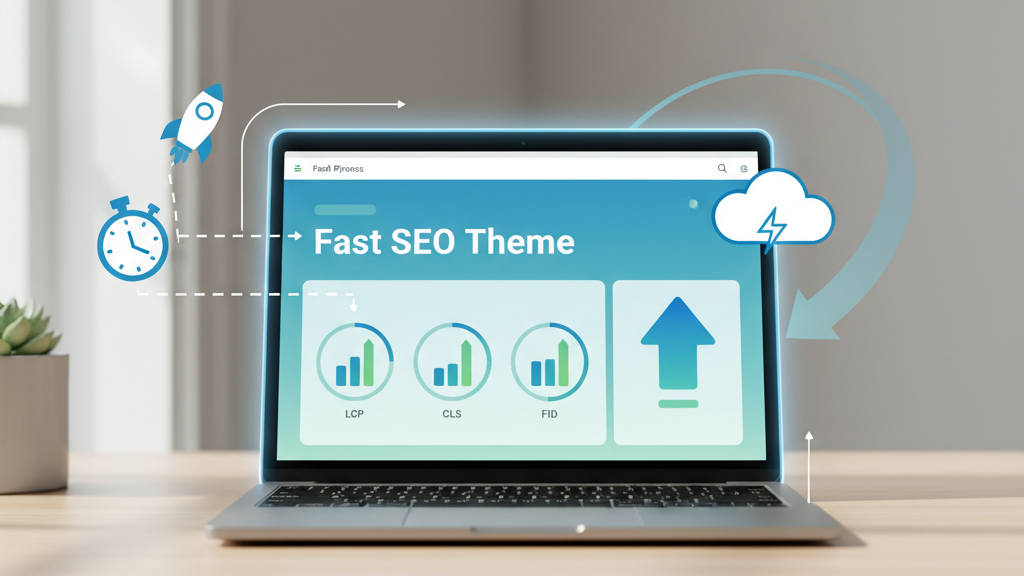
Choose a responsive, lightweight theme: Astra Free, Neve, and OceanWP (free versions) are reliable starting points. They’re optimized for speed, give decent layout control, and play nicely with page builders if you later upgrade. Avoid heavy themes with auto-play media or five social bars; they make pages crawl on cheap servers and annoy readers faster than a clickbait headline.
Set a simple color system and typography: pick two complementary colors and stick to system or one Google Font to keep load time low. Use these guidelines: body font around 16px, line-height ~1.6, and headline scale predictable for scanning. Keep navigation minimal: Home, About, Blog, Contact. On mobile, prefer a single-column feed and an obvious search bar. Limit widgets to essentials: newsletter signup, recent posts, and categories.
Small touches add polish: a clear hero section with your one-sentence value proposition, consistent post featured images sized identically, and a concise author box. If you automate posts with tools like Trafficontent, make sure auto-generated images aren’t blurry—image quality betrays cheap hosting faster than anything else. In short: aim for clean, readable, and mobile-friendly; don’t try to win a design award on a free plan—just don’t repel readers.
Content planning and SEO on a free WordPress site
With limited resources, content strategy is your currency. I always tell new bloggers: pick a tight niche, publish consistently, and make each post useful. Two to three posts a week—one evergreen how-to and one quick tip or commentary—beats sporadic masterpieces. Think of your blog like a tortoise with Wi-Fi: steady, predictable output wins over sporadic fireworks.
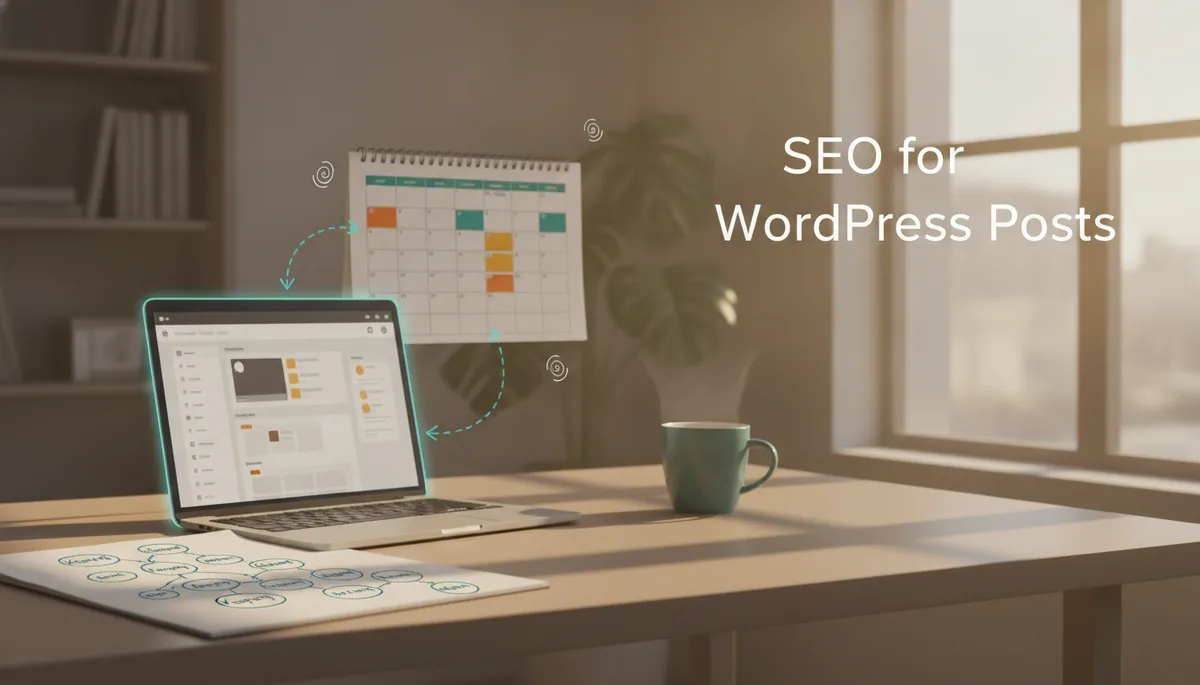
Start with keyword research that doesn’t cost money. Use Google Trends to check seasonality, Google Keyword Planner for volume ideas (you’ll need a free Ads account to access it), and AnswerThePublic for question-based topics. Group your ideas into 8–12 pillar posts and supporting cluster posts. A sample calendar might be: one pillar how-to per month, supported by weekly quick tips and a roundup post every six weeks.
On-page SEO basics that matter on free hosting:
- Place your primary keyword in the title, the first paragraph, and one subhead.
- Write concise meta descriptions (120–155 characters) that entice clicks.
- Use clean, readable permalinks and organize posts into 2–3 categories, not 20 tags that dilute focus.
- Internal linking: link from new posts to 2–3 relevant older posts to retain readers and distribute link equity.
- Optimize images for web (compressed JPEG/WebP) so slow hosting doesn’t punish user experience.
Tools like Trafficontent can help automate SEO-friendly post generation and scheduling, but don’t outsource your voice completely—search engines reward usefulness and clarity, not perfect keyword density. Keep a rolling ideas list, repurpose strong posts into LinkedIn articles or Pinterest pins, and measure what works with Google Analytics and Google Search Console (free and essential) to iterate smarter, not harder.
Growth tactics that minimize ad spend
Spending money on ads is tempting, but for most new bloggers the better ROI comes from focused content, organic distribution, and email capture. My go-to low-cost growth plan has three pillars: publish reliably, distribute strategically, and capture attention with email. Think of ads as a cheat code; you don’t need it if your content and distribution are strong.
Distribution: share every post across relevant free channels—Pinterest (especially for evergreen how-tos), LinkedIn (for professional or niche B2B topics), Twitter/X, and niche communities like Reddit or specialized forums. Tailor the teaser: on Pinterest use a tall, eye-catching graphic; on LinkedIn write an opening hook and a short excerpt. Guest posting is underrated: a well-targeted guest post with a single bio link can drive a steady stream of qualified traffic without ad spend.
Email capture: add a lightweight signup form in the sidebar or after posts. Offer a simple lead magnet—checklist, short template, or an introductory email series. Email is the most reliable way to convert casual readers into repeat visitors and buyers later. If you’re automating content, tools like Trafficontent help with scheduling and multi-platform posting so you don’t have to be online 24/7. Automation is not cheating; it’s smart delegation—like setting your coffee maker to brew before you wake up.
Finally, measure and iterate. Track which posts bring consistent traffic and decide whether to expand those topics. Focus on quality and user experience; cheap hosting won’t matter if readers find value. Slow sites lose clicks fast, so prioritize compressing images and using lean themes over flashy widgets. Growth without heavy ad spend is a long game—steady quality and distribution beat one-off promotional bursts.
Migration and upgrading from free hosting
Knowing when to leave free hosting is as important as knowing why you picked it. I always tell writers: set upgrade triggers—metrics that tell you it’s time to invest. Typical indicators: repeated storage limits, forced ads or branding, slower load times when traffic grows, need for plugins (SEO, caching, analytics), or desire for a custom domain for credibility. When these flags appear, it’s time for a smoother, paid setup.
Migration basics—either from WordPress.com or a free host to a paid host or to a paid WordPress.com plan—follow a few core steps. Here’s a practical checklist I use:
- Choose a reputable host with good uptime, daily backups, SSL support, and free or assisted migrations.
- Back up everything: export content via Tools > Export, copy your uploads folder (wp-content/uploads), and export the database if you can.
- Install WordPress on the new host (many hosts offer one-click installs) and import your XML export via Tools > Import.
- Upload your /wp-content/uploads/ media, install and configure needed plugins, and update wp-config.php with new database credentials if moving the whole site manually.
- Update DNS to point your domain to the new host—allow 24–48 hours for propagation. During this time, keep the old site live to avoid downtime.
- Test thoroughly: check permalinks, images, forms, and analytics. Use a staging site first if your host offers it.
If you’re upgrading WordPress.com to a paid plan, the process is simpler: upgrade the plan, register or connect a custom domain, and enjoy extra features like plugin installs and more storage. Many paid hosts offer free migrations from WordPress.com or from other hosts—use that service. A smooth migration preserves SEO by keeping permalinks the same and ensuring 301 redirects for any changed URLs. If you want a hand, look for hosts that promise free, assisted migrations and staging environments; it’s worth the peace of mind.
Ready to move? Pick a migration date in a quiet traffic window, notify subscribers, and run the move like a calm librarian shifting books—methodically and without dropping anything precious.
Next step: pick one small article idea, publish it this week on a free plan, and set a 90-day milestone. If you’ve written and promoted consistently by then, you’ll have the data to decide whether to keep the free model or upgrade. For technical references, check WordPress.org for self-hosted guidance and WordPress.com for plan comparisons.
Reference links: WordPress.org, WordPress.com, Google Search Console