I've watched hobby blogs—gardening journals, woodworking sketchbooks, midnight knitting confessions—quietly evolve into real businesses. The process isn’t magic; it’s a set of repeatable steps you can apply to almost any niche. Think of this article as the map I wish I had when I started: practical, slightly sarcastic when needed, and focused on turning your WordPress site from a fun side project into a dependable income stream. ⏱️ 10-min read
Below you’ll find a WordPress-first playbook: platform choice, content strategy, SEO and conversion mechanics, lean tech setups, monetization tactics, traffic channels, real case-study patterns, and a fast-start checklist you can use today. I’ll share examples and precise actions—no fluff, just what works when you want results without burning out or blowing your ad budget.
Choosing WordPress: .org vs .com and your starter setup
Choosing between WordPress.org and WordPress.com is like deciding whether to buy land or rent an apartment. If you want to hang signs, paint the walls neon pink, and build an espresso bar in the backyard, buy the land—WordPress.org. If you don’t want to fuss with servers, updates, or the landlord’s fine print, rent the apartment—WordPress.com. I started on the apartment plan to test my idea and moved to the mansion when readers started asking for courses and product links; it’s a common path.
WordPress.org gives you total control: custom themes, plugins, affiliate links, ad networks, and membership systems. The trade-off is responsibility—hosting, backups, and basic security. For hosting, prioritize speed and reliability. Slow sites kill conversions and rankings faster than a burnt soufflé kills dinner plans. Shared hosts can be fine early on, but pick a host with good support and an easy upgrade path so you can scale without migrating at 10 PM on launch day.
If you’re testing an idea: use WordPress.com’s paid plan or a free WordPress.org setup on low-cost shared hosting. When you’re ready to scale, buy your domain from a transparent registrar and get a managed or VPS hosting plan that emphasizes performance. For authoritative reading on platform differences, see WordPress.org and WordPress.com—both are worth scanning before you commit.
From concept to content: building a practical WordPress content plan
Start with empathy: name a specific person you’re helping and write a one-page audience brief. I call mine "Sam the Weekend Crafter"—age, goals, frustrations, where Sam hangs out online, and the exact questions he types into Google at 10 PM. This matters more than clever taglines. Map the top problems and outcomes you can deliver, then build 3–4 pillar topics that address those outcomes.
Each pillar should have 5–7 supporting posts—practical how-tos, project case studies, tool reviews, troubleshooting guides, and quick templates or cheatsheets. For example, a woodworking blog's pillars might be Tools & Setup, Beginner Projects, Joinery Techniques, and Monetization (plans, kits, or courses). Those supporting posts form topic clusters that feed search value into the pillar pages via internal linking—think of it as a garden where each shrub supports the big oak.
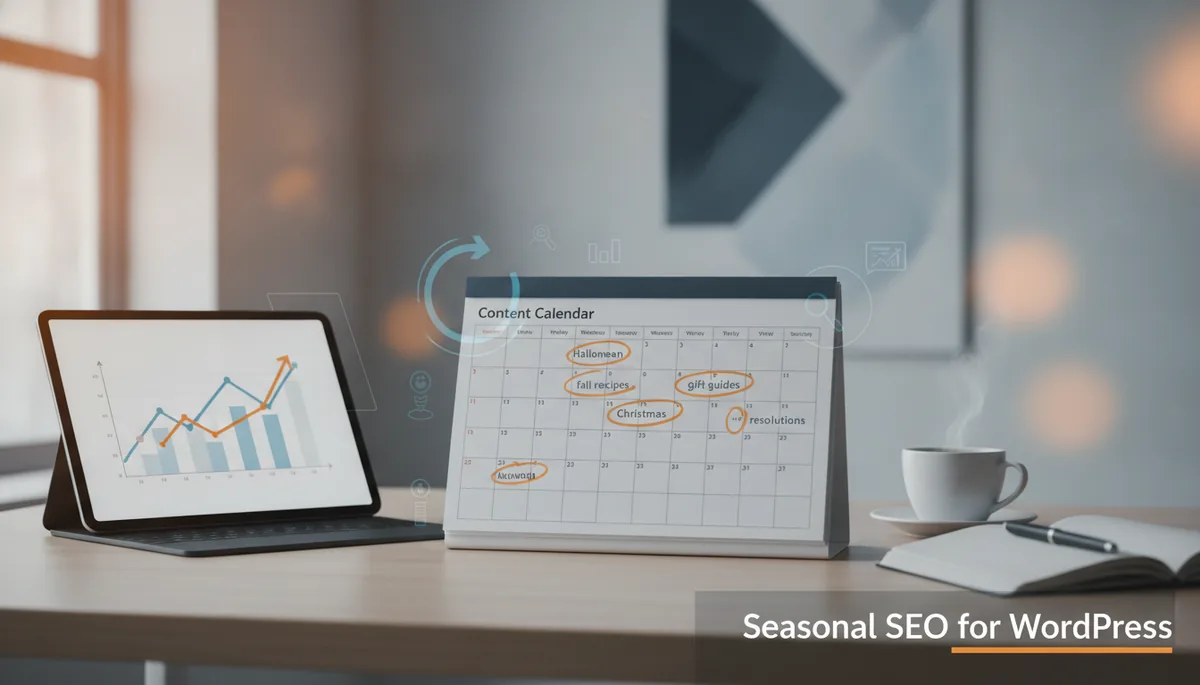
Turn pillars into a 90-day content calendar. Be realistic: I recommend one pillar piece per week, one deep-dive biweekly, and shorter posts or project updates in between. Assign publishing dates and workflow checkpoints: draft, edit, image creation, SEO check, and publish. This cadence keeps momentum without burning you out; it’s much better than sporadic, guilt-fueled frenzies. Align topics to revenue paths—affiliate opportunities, product pages, course previews—so each post nudges readers toward monetization naturally.
Write posts that rank and convert
Write like you’re explaining something to your best friend over coffee: clear, friendly, and not distracted by jargon. Start with lightweight keyword research—use Google suggestions, the “People also ask” box, and one free tool to spot long-tail queries. Match user intent: informational posts should be comprehensive, commercial posts should compare options, and transactional pages should push toward action. If someone searches “best camping stove for backpacking,” don’t give them stove history—give them side-by-side comparisons and buying cues.
Structure for skimmability: short paragraphs, descriptive headings, bullets, and featured snippets where possible. Your headline and meta description are the dating profile for each post—make them specific and enticing. Use internal links to guide readers from a problem post to a solution post to a product page. A tidy internal linking strategy can multiply engagement by funneling readers deeper into your site instead of letting them bounce off like a cat scared by a cucumber.
CTAs should be clear and relevant. For informational posts, use “learn more” CTAs to move readers to pillar pages or email opt-ins. For reviews, include a clear buying CTA that points to affiliate links or product pages. Track clicks with UTMs so you know what converts. If you want to scale content production without sacrificing relevance, tools like Trafficontent can draft SEO-optimized posts and meta descriptions—use them to accelerate idea-to-draft time, not to replace your editorial voice.
Free, fast, and professional: WordPress setup with free themes and plugins
You don’t need a five-figure agency design to look professional. Start with a lightweight free theme—Astra, GeneratePress, or Kadence are great because they ship clean typography and responsive layouts without plugin bloat. I’ve used GeneratePress on a few small sites; it’s the digital equivalent of a well-cut blazer—works with everything and doesn’t scream for attention.
Pair your theme with essential free plugins: Yoast SEO or Rank Math for on-page SEO; a caching plugin (like W3 Total Cache or LiteSpeed Cache if your host supports it); Wordfence or Sucuri for basic security; and a lightweight image optimizer. Resist the siren song of “one-click everything” theme bundles that install twelve plugins you don’t need. Bloat slows your site and makes maintenance a headache.
Always test performance and mobile usability. Use Google’s PageSpeed Insights and a mobile device to load posts. If your page feels sluggish, identify large images, unnecessary scripts, or third-party embeds and fix them. And don’t forget accessibility basics—alt text, clear contrast, and readable fonts. These aren’t glamorous, but they keep readers—and ad networks—happy. If you want an authoritative start guide: check WordPress.org’s documentation for setup basics.
Monetization playbook: earn with minimal ad spend
Monetization doesn’t mean splattering your site with pop-ups until readers flee. Think of revenue as a diversified orchard: some fruit ripens fast (affiliate links), some take time but are high-margin (courses or memberships), and some give steady baseline income (display ads). Start with affiliate partnerships that match your niche—honest, contextual product mentions convert better than generic “shop now” banners.
Lean on digital products: templates, mini-courses, downloadable plans, or a members-only resource library. These have higher margins than display ads and build customer relationships. Price modestly at first—$9–$49 is a good testing range for hobby niches. Combine this with a lead magnet and an email sequence that gently introduces your paid offerings. I once turned a 10-page project plan into a $15 PDF and sold 150 copies in two months—slowly compounding revenue, no ad spend.
Display ads fit once traffic is consistent—networks like Google AdSense are okay at the start; networks like Mediavine require traffic thresholds but pay better RPMs. Sponsored content works if brands align with your audience; keep sponsored posts transparent and clearly labeled to maintain trust. Use a tool like Trafficontent to scale SEO-rich posts with affiliate links and cross-posting to platforms like Pinterest—automation should serve your strategy, not replace it.
Traffic growth tactics: SEO, social, and email
SEO is a marathon, not a sprint, but the right sprint intervals (long-tail content, pillar pages, and internal linking) speed things up. Build pillar pages that act as hubs, then link out to detailed cluster posts. Optimize each page for a focused long-tail keyword and related semantic terms. That’s how hobby blogs capture consistent search traffic over time: many specific answers instead of vague listicles.
Social channels amplify evergreen content. Pinterest is gold for visually-driven niches—optimize pins with keyword-rich descriptions and promote your pillar posts. For professional or niche audiences, LinkedIn can drive high-quality traffic; for quick updates and community engagement, use X. Don’t treat social like a lottery ticket—post strategically with a few evergreen posts that continually bring readers back.
Build your email list from day one. Offer a simple, high-value lead magnet: a project checklist, a 7-day starter plan, or an exclusive template. Use a short welcome sequence to introduce your best content and a soft pitch for a product. Email is the cheapest conversion channel you’ll ever have—traffic’s expensive, but an engaged email list converts repeatedly. Track KPIs: list growth rate, open rate, click-to-purchase rate—then iterate.
Case studies across niches: real-world inspiration and what to emulate
I love case studies because they make theory tangible. Take a food blog that started with weeknight dinner recipes: it layered affiliate links to cookware, launched a digital cookbook, and rolled out short video courses. The key moves were consistent, recipe-based SEO content, email-driven product launches, and course previews embedded in posts. They used evergreen pins on Pinterest to sustain traffic and used affiliate revenue to reinvest in course production.
Then there’s a camping-gear review site that built trust through thorough tests and clear pros-and-cons sections. Their revenue mix was affiliate commissions and optimized ad placements. What worked: side-by-side comparisons, buyer-intent keywords (e.g., “best ultralight tent 2024”), and tracking which articles produced sales via UTMs. They intentionally avoided clickbait, focusing instead on depth and honest testing.
A hobby community (imagine a niche knitting forum) launched a paid membership with exclusive patterns and a project library. Early members were converted via an email waitlist and a free mini-course. The blueprint across these niches is consistent: regular value-driven content, a clear path from free content to paid product, and an analytics-driven approach to scale what works. Use those patterns to map your first 6–12 months with concrete milestones: traffic, list size, and revenue targets.
Fast-start checklist: a practical starter for beginners
Ready for a quick, actionable checklist? Think of this as a pre-flight routine for your digital plane. Do these things in order and you’ll avoid the most common beginner mistakes: setup whirlwinds and creative burnout. I’ve launched multiple sites with this sequence and it keeps launches sane and effective.
- Choose platform: Start on WordPress.com to test or go direct to WordPress.org for full control. Buy a domain with clear renewal pricing.
- Pick hosting: Begin with a reputable shared host with easy upgrades; plan to move to managed hosting as traffic grows.
- Install WordPress: Activate a free, lightweight theme (Astra/GeneratePress/Kadence) and set up essential plugins (SEO, caching, security).
- Create core pages: About, Contact, Privacy Policy, and 3–5 high-quality pillar posts ready at launch.
- Set up analytics: Install Google Analytics and a simple event-tracking plan for clicks to affiliate links and downloads.
- Plan 90 days: Build a content calendar with pillar topics, supporting posts, and promotion slots for Pinterest/X/LinkedIn.
- Launch lead magnet: Create a small, high-value piece (checklist, template) and a 3-email welcome sequence.
- Measure weekly: Track traffic, top-performing posts, list growth, and one revenue metric (affiliate clicks or product signups).
Next steps: publish your first pillar post, schedule the supporting cluster posts, and set a weekly hour for analytics. If you want official setup tips, Google’s analytics docs are a good place to start for tracking basics.
Takeaway: pick a platform that fits your ambition, ship a thoughtful content plan, and monetize thoughtfully. Start small, measure everything, and let incremental improvements do the heavy lifting. Now go publish that pillar post—your future readers (and your bank account) will thank you.
References: WordPress.org, WordPress.com, Google Analytics