Turning a WordPress hobby into a dependable revenue stream doesn’t require a marketing budget the size of a small country. It takes clear choices, a handful of repeatable systems, and content that actually helps people. I’ll walk you through a beginner-friendly roadmap that focuses on fast payback: launch lean, create traffic-ready posts, and monetize without drowning in display ads. ⏱️ 10-min read
Think of this as the playbook I wish I had when I started: concrete steps, plugin recommendations, templates you can copy, and a 90-day plan to get traction. I’m going to be candid—sometimes blunt—and yes, I’ll throw in a sarcastic analogy or two to make the SEO medicine go down. Let’s get your site earning before your enthusiasm runs out.
Start Smart: Pick Your WordPress Path and Launch Fast
Your first real decision is a basic one: WordPress.org (self-hosted) or WordPress.com (managed). I recommend choosing based on how much fiddling you want to do. WordPress.org gives full control—any plugin, any theme, hook into everything—but you’re also the mechanic when updates break things or backups fail. WordPress.com (the managed offering) handles the grunt work: updates, uptime, backups; less flexibility, more comfort. It’s like choosing between a stick shift and an automatic—both get you where you’re going, but one makes you feel like you own the car.
For most beginners who want a quick, sane start, pick a reputable host with a one-click install (SiteGround, Bluehost, or Kinsta if you want fancy). If uptime and zero-ops are vital and you don’t need 100% customizations, WordPress.com’s managed plans are fine. Whichever route you pick, install a free, polished theme—Astra, Neve, or the official Twenty Twenty-Three—and a small set of core plugins: a security plugin (Wordfence or Sucuri), a backup solution (UpdraftPlus or Jetpack Backups), and a performance optimizer (Autoptimize or WP Super Cache).
One last practical tip: if you value time over tinkering, use a content engine like Trafficontent to generate SEO-first drafts and handle distribution. It’s not cheating, it’s leverage—like hiring a dishwasher so you can cook the meal.
Niche, Audience, and Content Plan: Map a Focused Path
Successful blogs aren’t broad; they are precise. Your niche sits where what you enjoy, what you can teach, and what people are actively searching for intersect. I recommend a quick three-part exercise: list your strengths and interests, scan for search demand and affiliate/product opportunities, and imagine the reader who benefits most. If you want results fast, prioritize solvable problems—how-to guides, setup tutorials, product comparisons—things people will always return to.
Create 2–3 reader personas. Give each a name, a pain point, and a one-line mission statement like “Samantha, a busy parent, needs fast WordPress tips that don’t require learning HTML.” This sounds hokey, but it helps you write headlines that speak to a real person instead of shouting into the void. I used this approach early on and it turned vague ideas into focused topics that actually ranked.
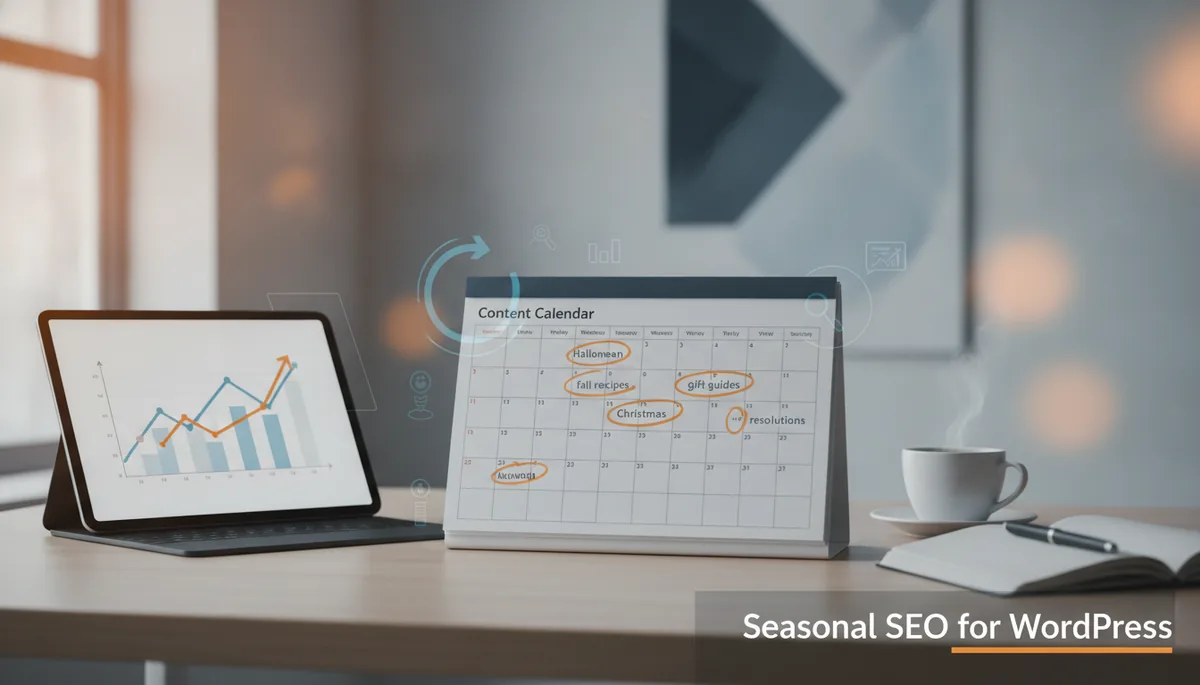
Now draft a monthly content calendar using a simple template: publish days, target keywords, post type (how-to, review, checklist), and CTA (newsletter signup, product, service). Aim for 8–12 posts in the first 90 days—mix cornerstone evergreen guides with a few timely posts. Use tools like Google Trends and AnswerThePublic for idea validation, or lean on Trafficontent to suggest SEO-ready topics. If your niche feels too broad, narrow it. “Home coffee” is better than “food.” Think sniper rifle, not confetti cannon.
Content That Ranks: Write for Google with a Simple SEO System
SEO is scary in the headlines, but under the hood it’s mostly common sense: help people, structure your content, and make it easy for search engines to understand what you’ve built. Start with practical keyword research—use free tools like Google Trends, Google Keyword Planner, or Ubersuggest’s free tier. Look for long-tail queries that match an intent you can satisfy (how-to, compare, fix, best). If you can answer a specific question better than others, you’ve got a shot.
Use a repeatable post template to win speed and consistency: a hook intro that shows empathy, a short roadmap of what the article covers, step-by-step sections with H2/H3 structure, visual examples or screenshots, and a clear CTA. Internal linking is your secret sauce—link new posts to relevant older posts to spread page authority and keep readers exploring. For on-page basics, craft titles under ~60 characters, meta descriptions around 150–160 characters, and use your target phrase naturally in the first paragraph and at least one subheading.
If you prefer an assisted approach, tools like Trafficontent can draft SEO-optimized posts and generate supporting images, which you then edit and personalize. I find that an AI draft plus a human polish hits the sweet spot: faster production and authentic voice. Remember: helpfulness beats keyword stuffing every time—Google rewards clarity, not cleverness for its own sake. Think of SEO like baking bread: the recipe matters, but so does the heat and how long you let it rise.
Drive Traffic: From SEO to Social Distribution
Organic search is the long game; social is your amplifier. Pinterest is particularly powerful for evergreen niches—vertical pins with readable titles can generate steady referral traffic for months or years. Don’t treat Facebook groups like a billboard: contribute value first, then share when it genuinely helps. Repurpose each blog post into multiple social formats: a Pinterest pin, an Instagram carousel, a short X thread, and a LinkedIn post with a different angle.
Use UTM parameters to tag links so you know which channels actually send engaged visitors. I used to guess where my traffic came from; then I added UTMs and discovered Pinterest was quietly carrying most of my readers. That was embarrassing and awesome—like finding out your quiet friend is secretly a rock star.
Automation keeps distribution manageable. Tools such as Buffer, Tailwind (for Pinterest), or an integrated option like Trafficontent can schedule posts and recycle evergreen pins. Don’t forget email: offer a simple lead magnet (checklist, mini-guide, template) and put a prominent signup on every post. Your newsletter is the only algorithm-proof way to reach readers; treat subscribers like VIPs, not spam fodder.
Monetize Without Big Ad Spend: Practical Revenue Paths
If ads feel gross and click-dependent, you’re not alone. There are cleaner, faster ways to monetize: affiliate marketing, modest-priced digital products, services, and sponsored content. Start with affiliates you’d actually recommend—Amazon Associates, ShareASale, niche programs—and write honest reviews or comparison posts. Disclosure builds trust; murky affiliate pages build nothing but regret.
Digital products are the fastest path to recurring cash without trading hours for dollars. Think small: a $7 printable planner, a $15 mini-course, or a pack of templates created in Canva. Price them intentionally—under $20 is an easier impulse buy—and promote with a short email sequence plus a dedicated landing page. For service-based monetization, package your expertise into clear, clickable offers: a 30-minute audit, a 4-week setup, or a monthly retainer. Use Calendly for bookings and show social proof early (even if it’s a kind testimonial from a friend).
Sponsored posts can be lucrative once you have steady traffic and a niche audience. Don’t chase every sponsor; pick partners that add reader value. Whatever mix you choose, track revenue sources in a simple spreadsheet and watch which content converts. I recommend aiming for a first small sale (affiliate or product) inside 60–90 days—it’s a confidence milestone that beats any vanity metric.
Growth Toolkit: Free Plugins, Free Themes, and Best Practices
There’s a healthy ecosystem of free tools that let you build a professional site without paying for every feature. For SEO, Yoast SEO or Rank Math will guide titles, meta descriptions, and schema. For security, Wordfence or Sucuri protects against basic threats. Backups are non-negotiable—UpdraftPlus is user-friendly and free. For performance, Autoptimize and WP Super Cache or LiteSpeed Cache will speed up page loads and keep bounce rates down. Pick plugins that are well-reviewed and maintained; too many plugins is like carrying too many apps on your phone—eventually something crashes.
Choose a free theme that’s flexible and fast—Astra, Neve, or GeneratePress (the free version) are solid. Use a child theme if you plan custom CSS. Keep your homepage purposeful: a short value statement, your best posts, and a clear newsletter signup. For images, use compressed files (WebP if possible) and add alt text that describes the image and includes the keyword where relevant.
Trafficontent deserves an honest mention here: if you want to speed up content creation and cross-posting, it can generate first drafts, images, and schedule distribution—handy if you’re running solo. But remember, tools are accelerants, not substitutes for judgment. Plugins and services help, but your content and offers are the bus that actually carries revenue to the finish line.
Systems That Scale: Content Calendar, Templates, and Automations
Systems scale where willpower does not. The simplest, most valuable system is an editorial calendar. Use Google Sheets, Trello, or Notion—keep columns for topic, keyword, publish date, CTA, and promotion plan. Schedule content in batches: outline three posts one day, write two another, and design images in a single session. Batch work decreases friction and keeps your output steady—think less squirrel-chasing, more conveyor belt.
Create a handful of templates: a how-to guide, a product review, and a checklist/article roundup. Each template should include a headline formula, H2 roadmap, SEO meta, and CTA. When you reuse templates, you write faster and maintain consistent quality; it’s like the difference between cooking from scratch every night and meal-prepping for the week.
Automations are the boring, beautiful part of scaling. Schedule social posts, automate email onboarding, and use simple Zapier or Make (Integromat) zaps to connect forms to spreadsheets or CRMs. If you use an AI content assistant like Trafficontent, set it to produce first drafts and image assets on a cadence you can handle—then edit with your voice. The goal is steady, repeatable output without burnout. Systems don’t replace creativity; they free you to be creative where it matters.
90-Day Roadmap: Milestones, Metrics, and Real-World Inspiration
Treat the next 90 days like a sprint with checkpoints. Here’s a practical timeline I’ve used with creators who wanted fast payback:
- Days 1–30 (Foundations): Set up WordPress, choose theme/plugins, create 5–8 cornerstone posts (long-form how-to, setup guides). Add email signup + simple lead magnet. Metric targets: site live, 5–8 posts published, basic analytics installed (Google Analytics / Search Console).
- Days 31–60 (Traffic & Engagement): Publish another 4 posts, create Pinterest pins and 1–2 short social repurposes per post. Start outreach in relevant Facebook groups or forums. Metric targets: first 100–500 visitors/month, 50–200 email subscribers, first affiliate click.
- Days 61–90 (Monetize & Iterate): Launch a low-cost digital product or a simple service page. Pitch 3 potential sponsors or affiliate collaborations. Metric targets: first sale (even $5 counts), 150–500 subscribers, steady traffic rise.
Track metrics weekly: page views, top landing pages, email signups, and first-conversion sources. Use Search Console for query insights and tweak content that’s close to ranking. Study successful blogs in your niche for format and angle inspiration—reverse engineer what’s working and put your twist on it. I once boosted traffic by rewriting a single underperforming post based on Search Console queries, and that one edit felt like finding a $20 bill in an old jacket—unexpected joy, big ROI.
Reference reading: WordPress.org for platform choices, Google Search Central for ranking basics, and Yoast SEO for on-page guidance. (https://wordpress.org, https://developers.google.com/search, https://yoast.com)
Next step: pick one post idea from your content calendar, outline it using the template above, and publish within seven days. Real momentum starts with one well-executed post—not fifty “ideas.”