You want a live blog without months of planning, endless plugins, or an empty promise that “traffic will come.” Good—so do I. In this guide I walk you from zero posts to a live WordPress site, a repeatable content plan, and growth tactics that don’t require breaking the bank. Think of it as the fast lane: practical, low-cost, and aimed at hobby writers or aspiring bloggers who want real momentum fast. ⏱️ 12-min read
Every step is tested in the real world: clear goals, a lean WordPress setup, a content calendar you’ll actually keep, SEO basics that don’t feel like witchcraft, and promotion methods that work without paid ads. Along the way I’ll share small, actionable wins—you’ll leave with a checklist and the confidence to publish your first posts this month. (Yes, really. No fluff. And maybe one sarcastic coffee-fueled aside per section because I’m human.)
Define your goals and audience
Before you open WordPress, decide what your blog will actually do. I always start by asking: why am I writing? Are you documenting a journey, building a portfolio, supporting a small business, or hoping to turn this into a side income? Your answer changes everything—from what you publish to the platform you pick and the metrics you track. Vague wishes are toast; concrete goals are measurable. Use SMART goals: Specific, Measurable, Achievable, Relevant, Time-bound. For example: “Publish four actionable posts per month for three months, reach 500 unique visitors by the end of month two, and collect 100 email subscribers in 90 days.” That’s specific, and it’s something you can celebrate when you hit it.
Create a simple 2–3 sentence audience persona and keep it visible. Give this person a name, job, pain points, and where they hang out online. I once wrote for “Alex, the busy Shopify seller who has three kids, zero time for marketing, and wants clear, copy-and-paste tutorials.” That persona made me reject shiny topic ideas like “the psychology of pricing”—because Alex wanted plug-and-play checklist posts. Write down the top five problems your reader has and the exact questions they ask in forums, comments, or reviews. Those questions are your content hooks.
Don’t overcomplicate the persona: two sentences and a list of five pain points is enough. Keep that doc on your desktop or in your editorial calendar. When inspiration feels fuzzy (it will), return to that persona and ask: would Alex care about this? If the answer is no, shelve it. If yes, outline a post that solves one of their five problems with step-by-step advice—or better, with a small downloadable checklist. Concrete problems = eager readers. Vague musings = tumbleweed.
Choose your WordPress path and set expectations
There are two WordPress flavors and, like choosing between instant ramen and homemade pasta, each has trade-offs. WordPress.com is the “easy button”: hosted, low-hassle, ideal if you want to write and leave the tech to someone else. Upgrade tiers unlock more customization, but at low tiers you’ll feel boxed in—ads may appear, and you’ll have limited plugin access. If you imagine your blog turning into a hub for a business or someday needing special plugins, WordPress.com’s convenience can turn into a cage. (Also: free plans often come with heavier text than you bargained for—mostly “we’ll handle it” small-print.)
WordPress.org is the self-hosted route: you download the software and install it on hosting you control. It’s free software, but not a free ride—you pay for hosting, domain registration, and maybe a premium theme or plugin later. The reward is flexibility: custom themes, any plugin you want, and full ownership of your content and data. If you want control and an upgrade path (affiliate frameworks, membership plugins, custom forms), .org is the better long-term choice.
Which should you choose? If you’re a hobby writer wanting to test ideas with minimal fuss, WordPress.com is fine. If you want to grow, monetize, or stay in control, go with WordPress.org and a modest host. Expect a small learning curve for .org—think 2–3 setup tasks you’ll learn quickly rather than a software degree. To help with the decision, check the basics at WordPress.com and download/install options at WordPress.org. Setting expectations up front saves panic later when you discover you can’t install that plugin everyone swears by.
Set up a lean, fast starter site
When I launch a new project, I aim for a site that looks professional and loads fast—no fluffy features, just the essentials. First: pick a reliable, beginner-friendly host. A few hosts offer one-click WordPress installs and predictable pricing; they’re like landlords who actually fix the plumbing. Options such as SiteGround, Bluehost, or other reputable hosts make setup painless. One-click installers will get WordPress live in minutes—set a unique admin username (not “admin123”), enable HTTPS (free with most hosts), and you’re already ahead of 50% of new sites.
Choose a lightweight theme—Astra, GeneratePress, and Kadence are my go-to recommendations. They’re fast, responsive, and don’t stuff your site with useless features. Avoid themes that push heavy page builders unless you love clicking “preview” for five minutes while your laptop cries. Configure permalinks to “Post name” in Settings → Permalinks so your URLs are clean and SEO-friendly. Add a simple logo, a clear tagline, and your contact or about page—this builds trust instantly.
Install only essential plugins to keep things lean. My starter list is small: a security plugin (Wordfence or similar), backups (UpdraftPlus is reliable), and an SEO plugin (Yoast SEO or Rank Math) that helps with meta descriptions and basic schema. Add a caching plugin (WP Super Cache or WP Rocket if you spring for premium) to speed delivery. Avoid plugin bloat—each plugin can add overhead and compatibility issues. Your goal is a fast, readable site that feels polished without requiring a degree in web engineering. If you want references while you set up, check WordPress.org for core guidance and the Google Analytics docs later when you add tracking.
Build a repeatable content plan
Good content systems are boring in the best way: predictable, repeatable, and forgiving. Start by brainstorming 10–15 post ideas that directly solve your audience’s top problems. Pull ideas from forums, FAQs, comments, and competitor posts. Next, do light keyword research using free tools like Google Keyword Planner or Ubersuggest to see how people search for each topic. Don’t chase the highest volume keywords at the start; aim for clear intent and manageable competition (long-tail keywords often win for newcomers).
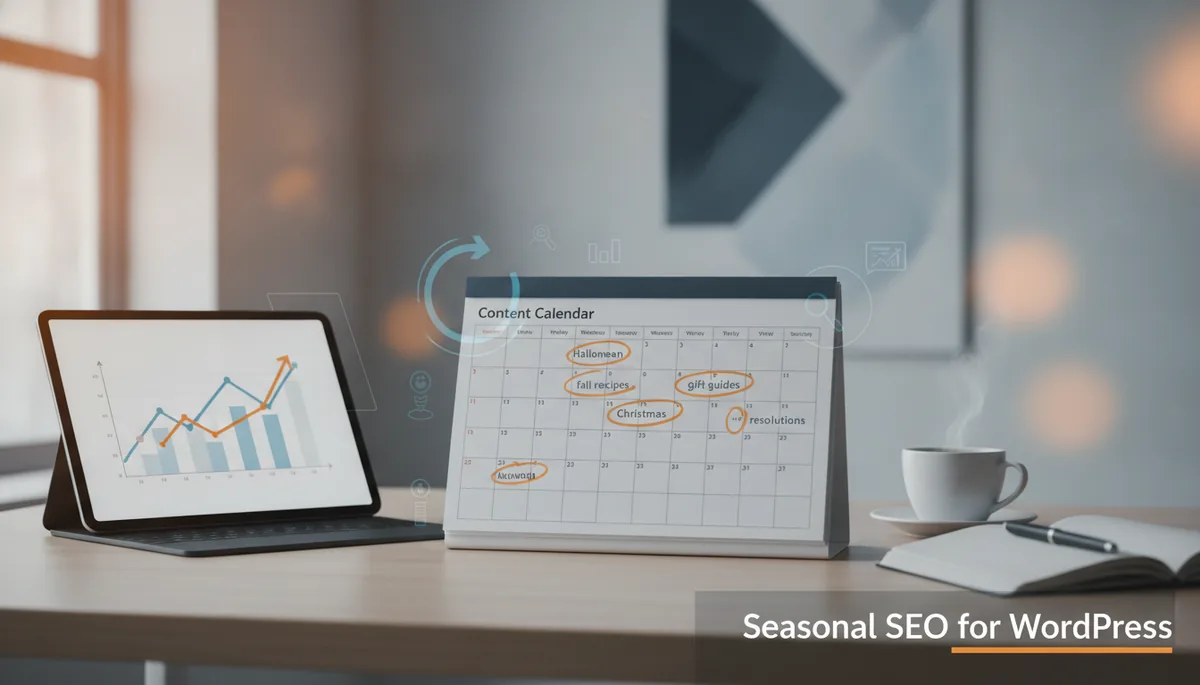
Organize your ideas into 3–5 pillars—broad categories that shape your site and make navigation intuitive. For example: “How-to guides,” “Tool reviews,” and “Case studies.” Pillars keep content focused and let readers know what to expect. Use an editorial calendar in a spreadsheet, Trello, or Notion. List publish dates, target keywords, draft status, and who’s responsible. Start with a realistic cadence: one post per week is a solid rhythm for most beginners. If that feels unmanageable, try two posts per month and batch your work.
Batch content creation to save time. Separate the work into stages: research, outline, write, edit, and schedule. For example, spend one afternoon outlining three posts, another writing drafts, and another editing and formatting. Use a simple post template to speed up consistency. A template might include: title (SEO-friendly + benefit), intro with a promise, H2 steps, actionable examples, images with alt text, and a short conclusion with a call-to-action (subscribe, download, or comment). Batch production feels like assembly-line magic but with better coffee.
Write posts that rank: structure and SEO basics
Think of SEO as hospitality: make it easy for readers and search engines to find what they want. Start with a clear target keyword—something your audience types in when they’re hunting for the solution you offer. Weave that phrase naturally into the title, one or two subheadings, the opening paragraph, and the conclusion. Don’t force it; awkward keyword stuffing reads worse than a robot-written fortune cookie.
Structure matters. Use one H1 (your title), clear H2s to map the article, and H3s for subpoints. Short paragraphs, bulleted lists, and descriptive subheadings help readers scan quickly. Include images or screenshots to break up text; always add descriptive alt text that includes a natural variation of your keyword where appropriate. A compelling meta description of ~150–160 characters encourages clicks from search results—state the benefit crisply. For example: “Step-by-step checklist to optimize your WordPress site in under an hour.”
Link strategically: internal links keep readers on your site and spread link equity; external links to authoritative sources build trust. If a post repeatedly attracts traffic but has a high bounce rate, tighten the intro: promise a concrete outcome within the first 50–100 words and deliver it within the post. I often use a quick post template: title + 1-sentence benefit, 3–5 steps or sections with examples, a resource list, and a CTA (newsletter, checklist, or related post). Small structural improvements—clear headings, concise intros, and visual cues—gain time on page and better rankings over time.
Publish, promote, and grow without heavy ad spend
Publishing is only half the battle. To get readers, treat promotion like part of the writing process—not an afterthought. Post consistently. If you promised a weekly post, keep it. Predictability builds readership faster than sporadic viral hits (which, let’s be honest, feel great but are rare). Repurpose content across platforms: turn a how-to post into a short video, a carousel for LinkedIn, or 5 Pinterest images. Pinterest in particular works well for evergreen how-to content—think of it as Google’s visual cousin with a long memory.
Select 2–3 platforms where your audience actually hangs out and adapt copy and visuals for each. X (formerly Twitter) is good for short, link-driven conversations; LinkedIn serves professionals; Pinterest and Instagram are visual traffic drivers. Use automation sparingly: scheduling tools or services like Trafficontent can distribute posts and add UTM tracking without manual posting every time—handy when you want to focus on writing, not button-clicking. But automation shouldn’t replace interaction; scheduled posts need follow-up replies.
Leverage communities: answer questions on niche forums, join relevant Facebook groups, comment on threads in Reddit subcommunities (carefully—read the rules), and guest post on sites in your niche. These tactics convert when you’re helpful rather than salesy. Email moves slower but converts better: a short newsletter that teases new posts and shares one quick tip will beat a weekly wall of promo. Track the results with basic analytics so you know which channels justify your time. A few strategic shares and community posts beat blasting everywhere with low-quality content.
Monetization and growth tactics for small blogs
Monetization doesn't have to feel sleazy. Start with low-cost, audience-friendly options: affiliate links, services, and simple digital products. Affiliate marketing is natural if you review tools or create how-tos that recommend products. Put affiliate links where they add value—comparison pages, “best of” lists, or tool setup guides—and always be transparent. A subtle, honest disclosure builds trust and avoids sounding like a late-night infomercial.
Offer services if you have marketable skills: editing, coaching, design, or consulting. A simple “Work with me” page with clear packages and a contact form can turn readers into clients without complex funnels. For product ideas, consider a $7–$29 downloadable checklist, a printable worksheet, or a short email course. These low-friction offerings validate demand and cost little to create. If a product gains traction, level up to a $50–$200 mini-course or bundled resource.
Test offers within relevant posts rather than plastering your site with ads. If a post gets steady traffic, add a relevant opt-in (e.g., “Download the checklist that accompanies this tutorial”) and a soft product pitch. Use A/B tests for buttons, headlines, and price points. Small experiments—change a CTA text or try a $7 vs. $12 price—teach you more than grand plans. Keep monetization aligned with your audience's needs; when your first customers feel like readers rather than revenue lines, you’ve nailed it. Monetize thoughtfully, not greedily—your readers will thank you by coming back.
Measure, iterate, and scale thoughtfully
Measurement is where blogging graduates from hobby to strategy. Install Google Analytics 4 and watch how readers discover and use your content. Track page views, traffic sources, average time on page, and conversions (newsletter sign-ups or product purchases). Small patterns tell big stories: if social shares send clicks but those readers drop quickly, your landing experience or intro may need work. If search sends fewer visitors but they stay longer, double down on similar content.
Set a monthly review ritual: check top-performing posts, traffic sources, and conversion rates. Pick one metric to improve each month—e.g., increase email sign-ups by 15%—and run focused A/B-style tests. Try changing a headline, swapping an image, or republishing an older post with updated info and new links. Keep an experiment log: what you changed, why, and the result after 30 days. Small, consistent optimizations compound—like pruning a bonsai rather than yanking a jungle into submission.
Scale thoughtfully by doubling down on what works. If how-to guides earn the most traffic and conversions, produce two more in that format. If Pinterest drives sustainable traffic for evergreen posts, create optimized graphics and a few templates you can reuse. Outsource repetitive tasks when they cost more of your time than they’re worth—transcription, image creation, or formatting can be handed to a VA for reasonable rates. But don’t outsource strategy or voice: those are what made readers care in the first place. Track, test, and iterate—growth is a series of small smart decisions, not a miracle.
Next step: publish your first post this week
Here’s a practical next step: pick one audience pain point from your persona, make a short outline using the post template in this guide, and publish your first draft by Friday. If you’re unsure where to host, choose WordPress.org with entry-level hosting for long-term flexibility; if you want an experiment with zero setup fuss, start on WordPress.com and migrate later. Enable HTTPS, set permalinks to “Post name,”