When I built my first small-business blog, I remember staring at a sea of free themes like a kid in a candy store — excited, overwhelmed, and suspicious that anything this cheap could actually help me look professional. Spoiler: you don’t need a premium theme to project trust. You need the right signals, a few smart design choices, and a short checklist that saves you from the “I-made-this-in-five-minutes” vibe. ⏱️ 10-min read
In this guide I’ll walk you through how to recognize credibility in a free WordPress theme, what features truly move the needle, where to find dependable options, how to test them safely, and the practical steps to launch a business blog that looks polished and performs well. Think of this as the friend who spills the trade secrets over coffee — honest, practical, and with a touch of sarcasm when needed.
Assess credibility signals in a free WordPress theme
First impressions matter. A theme’s demo is your shop window: tidy, calm, and easy to navigate equals trust. When I review demos I look for a clear information hierarchy — a tidy grid, generous white space, and defined sections so readers can skim without feeling like they’ve fallen into a visual circus. If your homepage looks like a carnival flyer, no one will trust you with their email address (or their credit card).
Typography is another non-negotiable. Pair a readable sans for body text with a thoughtful serif or a stronger sans for headings; avoid the “font salad” where every line acts like it has an identity crisis. Aim for line length near 50–75 characters and comfortable line-height so your paragraphs don’t read like legal contracts. Also, always test on a phone: menus should be tappable, text should reflow, and buttons shouldn’t hide like a stubborn rabbit in a magic trick.
Navigation and footer design are subtle but powerful trust builders. A simple top menu, visible search, and a footer containing contact details or a mini-sitemap signal that you want visitors to find things — not hide them. Finally, scan for consistent visual details: button styles that match link styles, consistent iconography, and a palette that feels intentional. If everything looks glued together with optimism and duct tape, keep looking.
Key free theme features that influence trust
Think of a theme as your brand’s handshake. If it’s limp and sweaty, people notice. The technical and accessibility features under the hood often do the heavy lifting for credibility: performance, accessible markup, SEO-friendly structure, and customization options that don’t force you into code. That last one matters — your brand shouldn’t be a generic clone of someone else’s site.
Start with speed: a fast-loading theme reduces bounce rates and signals professionalism. Look for light CSS and minimal render-blocking scripts. I always run demos through a speed check (more on that later) — if it’s sluggish before you add content, it’s not going to get better. Accessibility is no longer optional. Contrast-compliant colors, keyboard navigation, and semantic headings are core trust signals; a site that’s hard to use feels sloppy and exclusionary.
SEO-friendly markup and schema support help search engines understand your content — and that ultimately drives visibility and credibility. Translation readiness and RTL (right-to-left) support matter if you serve multilingual audiences. Finally, customization should let you set brand colors, upload a logo, and pick fonts without editing CSS. Free themes that lock important options behind a paywall are basically freemium traps dressed as generosity — don’t fall for that tuxedo act.
Where to find credible free themes
The safest first stop for free themes is the WordPress.org Theme Directory — the themes there are vetted for quality and compatibility with WordPress core. I always check the last update date, active install count, and support threads before trying a theme. Also, favor authors who publish multiple themes and maintain clear documentation — that signals they’re not a one-hit-wonder who disappeared after launch.
There are several reputable free options that consistently pass the trust test: GeneratePress Lite, Astra Free, Neve Free, Kadence, and OceanWP’s free version. Each has a specific strength: GeneratePress for performance and typography, Astra for clean starter templates, Neve for mobile-first layouts, and Kadence for easy customization. Use-case thinking helps: a consultant needs a tidy portfolio; a content-heavy B2B blog needs readable type and fast load times.
A quick warning: avoid downloading from unknown third-party sites. If it’s not on WordPress.org or the theme author’s official site, you may be installing an outdated or compromised copy — which is a fast track to headaches. For a sanity check, skim user reviews and look for recurring issues and timely author responses. If the comments section reads like a graveyard, move on.
Helpful references: the WordPress Theme Directory is a solid starting point — https://wordpress.org/themes/.
How to test a theme before committing
Don’t commit on a whim. Treat theme selection like test-driving a car — not a blind date. I always install a theme on a staging site or local environment first (Local by Flywheel or a host’s staging tool are lifesavers) and import demo content when possible. This gives you a realistic sense of how your content will behave without breaking the live site. Also, back up your live site before you do anything dramatic — a little paranoia is healthy.
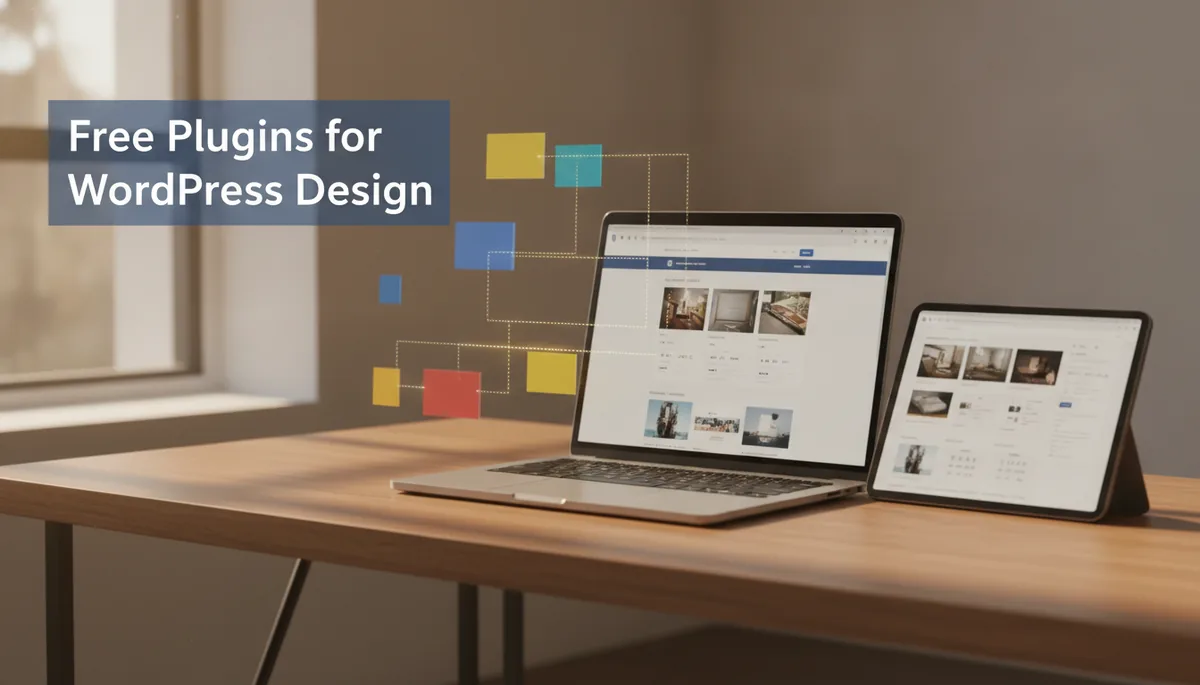
Preview the theme’s demo thoroughly: home, about, blog archive, and single post pages. Check whether key features like sidebars, widget areas, or newsletter blocks exist where you expect them. Then test responsiveness across phone sizes and tablets. I’ve seen themes with beautiful desktop headers that turn into a burger menu black hole on mobile — not a good look.
Run speed and Core Web Vitals checks using tools like Google PageSpeed Insights and GTmetrix. These tools point out heavy images, render-blocking scripts, and slow server response times. If a demo scores poorly before you add any plugins or content, it’s a warning sign. Also verify plugin compatibility — install your SEO, caching, and form plugins on staging and run through typical actions: create a post, submit a contact form, and test search. Finally, if you care about inclusivity (and you should), run a quick accessibility scan and spot-check keyboard navigation. If the theme trips over basic accessibility features, it’s time to bow out.
Reference: Google PageSpeed Insights — https://developers.google.com/speed/pagespeed/insights.
Design decisions that convey professionalism
Design choices are cheap credibility multipliers. When I help clients pick a free theme, we treat the visual direction like outfit planning for a first meeting: restrained, coherent, and slightly better than “I rolled out of bed.” Start with your header — keep it uncluttered. A large logo, compact navigation, and a clear call-to-action (CTA) are all you need. Overstuffed headers scream “I’m trying too hard.”
Choose a 2–3 color palette: a primary brand color, a neutral, and one accent. That’s it. Too many colors look amateurish; too few look cold. Typography should be consistent: one body font and one heading font (or a single font family with variable weights). This prevents the visual equivalent of a band where everyone plays a different genre. Make sure font sizes scale logically: headings should be distinct, but not theatrical.
White space is your friend. A generous margin around elements helps readers breathe and signals editorial care. Clear CTAs — visible buttons with concise labels like “Work With Me” or “Get a Quote” — guide action without shouting. Also include built-in pages like About and Contact in your navigation. An About page that reads like a thoughtful introduction is more persuasive than a generic “Welcome!” paragraph.
Finally, use images judiciously. Replace cliché hero shots with simple, authentic photos or subtle illustrations. If you must use stock photos, pick a consistent style and crop them consistently. In short: edit mercilessly. If an element doesn’t serve a clear purpose, it’s clutter — and clutter undermines trust faster than a typo in your pricing table.
Align your theme with a solid content plan
A theme is a stage; your content is the performance. Even the nicest theme will flounder without a content plan that matches its structure. First, check if the theme supports structured content features like article schema, author bios, and clear category/archive templates. These elements help both readers and search engines make sense of your site.
Plan a content architecture that mirrors how visitors will navigate: lead with top-level pages (Home, About, Services, Blog, Contact), then map sub-pages or categories that naturally fit within the theme’s layout. If your theme has a prominent blog index on the homepage, use that to surface cornerstone content and recent posts. A blog that hides behind a sub-menu is like setting up a bakery and hiding the cupcakes in the back room.
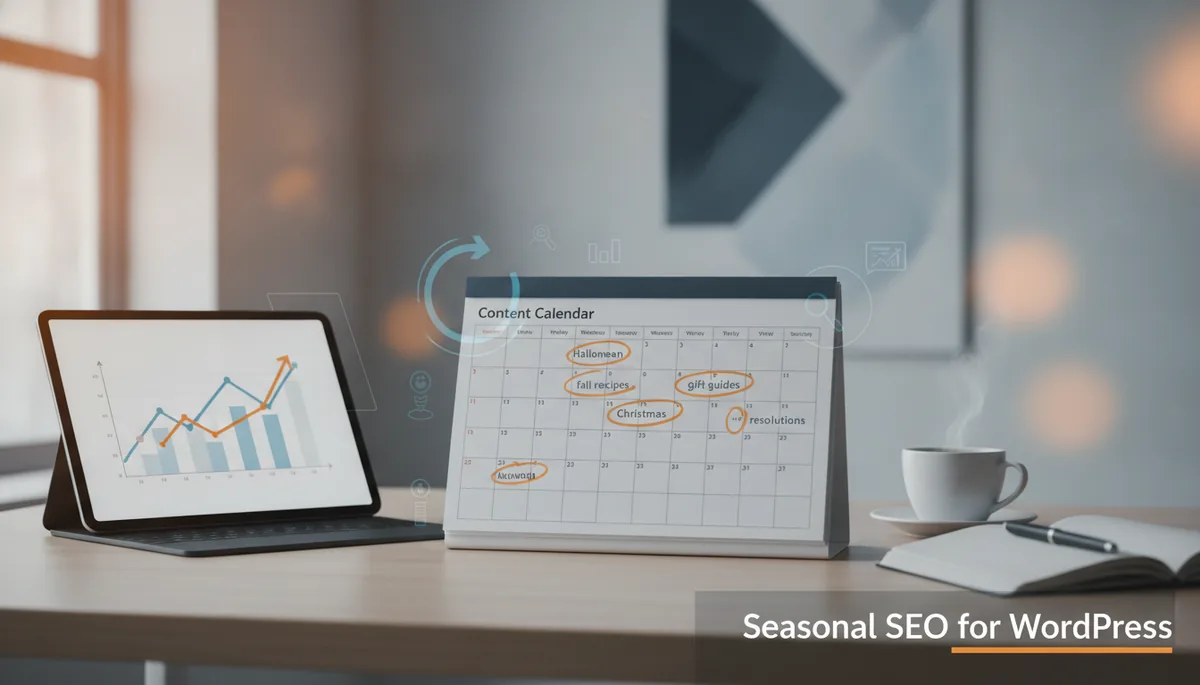
Create a content calendar that suits the theme’s rhythm. If the theme emphasizes short excerpts and magazine-style posts, plan frequent, bite-sized updates. If it’s tailored for long-form thought leadership, schedule deeper posts with promotion windows. Include author bios to build credibility: people trust people more than logos. Use schema markup via an SEO plugin to ensure articles show up with proper metadata in search — that tiny meta description you write is like a handshake on the search results page.
Finally, plan for evergreen pages that explain your business, pricing, and processes. A polished About and Contact page are often higher-converting than a flashy hero because they answer the questions people actually have when deciding to hire you.
Implementation steps for a free theme on a business blog
Once you pick a theme, follow a clear rollout to avoid the classic “I broke the site” panic. I always start by cloning the live site to a staging environment and installing the theme there. This gives you a safe playground to configure without making real visitors see the construction cones. Backup first — you’ll thank yourself later.
Next, customize branding: upload your logo, set your primary colors, pick fonts, and build the homepage layout (hero, about, services, testimonials). Create essential pages: About, Contact, Services, Privacy Policy, and a Blog landing page. Don’t launch with placeholders; even short, sincere copy beats an empty “Coming Soon” page that screams amateur hour.
Install and configure core plugins: an SEO plugin (like Yoast or Rank Math), a caching plugin (LiteSpeed Cache, WP Super Cache, or similar), an image-optimization plugin (Smush or ShortPixel), and a security plugin (Wordfence or similar). Keep plugins minimal and reputable — each plugin is a potential performance or compatibility risk.
Optimize images before uploading (compress and choose the right dimensions) and fill in metadata: page titles, meta descriptions, and Schema where possible. Then run speed and accessibility checks on staging and address high-impact issues (large images, too many external scripts, font loading delays). Finally, test forms, contact flows, and any ecommerce paths before flipping the switch. Launch only when the essentials feel confident — not perfect, but honest and usable.
Pitfalls to avoid and quick fixes
Even good themes can be sabotaged by careless implementation. I’ve seen beautiful themes wrecked by gargantuan hero images, a plugin fight club, and widgets stacked like an overenthusiastic buffet. Here are common traps and quick remedies.
- Bulky stock images: Large, unoptimized images kill speed. Resize and compress images before uploading; use WebP when possible.
- Overbearing widgets: Too many sidebar and footer widgets turn pages into distraction farms. Keep only essential widgets like recent posts, a search box, and a clear CTA.
- Inconsistent typography: Limit fonts to one or two families and standardize sizes across headings and body text.
- Slow scripts: Defer non-critical JavaScript, remove third-party embeds you don’t actively use, and use a caching plugin to reduce load times.
- Poor accessibility: Fix high-contrast issues, add alt text to images, and verify keyboard navigation. If that sounds like a foreign language, start with automated scans and prioritize fixes that affect navigation and forms.
Quick fixes: replace heavy hero images with a color block or subtle gradient, reduce plugin count by consolidating functionality (for example, use an SEO plugin that handles schema), and swap out any poorly behaving widget for a simple text widget with a concise CTA. Run a pre-launch audit checklist — theme updates, plugin compatibility, speed, accessibility, and backups — and address the top three issues. If it feels overwhelming, prioritize the user actions you want most (contact form submissions, newsletter signups, or sales) and optimize the flows that lead to those actions first.
For accessibility guidance, WebAIM is a great starting resource — https://webaim.org/.
Next step: create a staging copy, run a speed test, and pick one theme to explore in depth — then iterate. A credible site is built by consistent, small improvements, not instant perfection.