If you want a WordPress blog that actually grows from search traffic—without throwing money at ads—this is the roadmap I wish someone handed me when I started. I’ll walk you through the practical choices (which are simple), the plugins that matter (which aren’t overwhelming), and the content and monitoring habits that turn tiny blogs into steady traffic machines. Think of this as the bootcamp for creators who want results, not shiny features. ⏱️ 9-min read
I’m writing this from experience: I’ve launched and tuned multiple small sites where a few steady, well-optimized posts outperformed months of interruption-heavy ad campaigns. I’ll be blunt and a little sarcastic when necessary—because SEO shouldn’t feel like decoding an ancient curse—and I’ll give concrete next steps you can implement this afternoon.
Pick your WordPress flavor, domain, and hosting (free vs self-hosted)
First decision: WordPress.com or WordPress.org? WordPress.com bundles software with hosting so you can launch fast, but it limits plugins, custom code, and performance control. WordPress.org is the self-hosted version you install on your own host. If you care about speed and SEO, self-hosting wins because you can add caching, CDNs, and the plugins that actually move the needle. WordPress.com is fine for hobbyists who want zero setup, but it’s like renting a furnished apartment—you can't rearrange the plumbing.
For domain names, pick short, easy-to-spell options. Avoid hyphens and weird spellings; they confuse readers and search results alike. A .com is still the most clickable in many niches, but relevant TLDs are fine if the name is strong. Register for at least a year and check basic trademark searches to avoid surprises.
Hosting choices: start cheap and upgrade when you hit traction. Shared hosting (Budget hosts, Bluehost, or SiteGround entry plans) is inexpensive and the usual starting place. If you want smoother performance and fewer surprise slowdowns, VPS or managed WordPress hosting (e.g., SiteGround’s managed plans, Cloudways, or WP Engine for when you scale) gives predictable resources, built-in caching, and staging sites. For true DIY with speed focus, a starter managed plan or a reputable shared host with LiteSpeed or Nginx works well. I usually recommend starting on a low-cost managed host and moving up when you hit a few thousand monthly visits—no point paying for a race car when you’re barely out of the driveway.
Choose a lightweight, professional theme and set mobile-first design
Your theme is the foundation—pick something lightweight like GeneratePress, Kadence, Astra, or the default Twenty Twenty-Three theme. These are built to be fast and won’t smuggle in three dozen unnecessary scripts. Avoid massive multipurpose themes and gluttonous page builders for your core blog; they look pretty in demos but often bloat load time like a buffet you regret five minutes later.
Mobile-first is non-negotiable. Most users arrive on phones and Google indexes mobile versions first, so your design must be responsive and readable on small screens. Choose a theme with native responsive settings, and preview every layout on narrow viewport sizes. If you dread fiddling with fonts, use system fonts (Inter, system-ui stack) which avoid extra font files and still look modern—like wearing a sharp blazer without custom tailoring fees.
Quick styling tips to look polished without a developer: stick to 2–3 type sizes, use a consistent color palette, and set a single readable body font with comfortable line-height (1.5). Use the theme’s customizer for spacing and header options. A clean layout, clear headings, and generous white space make your site appear professional—even if you created it between coffee sips.
Install essential speed tools: caching, images, fonts, and CDN
Speed is the single most tangible thing you can optimize for better rankings and fewer bounces. Start with caching: install a caching plugin like LiteSpeed Cache (great if your host supports LiteSpeed), or consider WP Rocket when you’re willing to pay for a smoother UI and built-in optimizations. Caching dramatically reduces server work by serving static HTML to most visitors—like handing out photocopies instead of rewriting essays every time someone asks.
Images are often the heaviest payload. Use image optimizers such as ShortPixel, Imagify, or Smush to compress photos without garbage quality loss, and convert to WebP where supported. Enable lazy loading so offscreen images load later. For CSS/JS delivery, Autoptimize can aggregate and defer files; be cautious with aggressive minification—it sometimes breaks scripts. Limit web fonts: prefer system fonts or host a single font with font-display: swap to avoid invisible text.
Add a CDN to speed global delivery. Cloudflare’s free plan gives edge caching, HTTP/2, and simple DNS; BunnyCDN offers affordable, speedy pull zones if you want pay-as-you-go. Together, caching + image optimization + CDN will get your Core Web Vitals into a friendly range—think of it as oiling the engine so your site stops coughing on the freeway.
Set the SEO foundation: plugins, permalinks, sitemaps, and schema
SEO is mostly about clarity and structure. Start with a solid SEO plugin—Yoast or Rank Math. They handle title tags, meta descriptions, canonical URLs, and XML sitemaps without forcing you to memorize mysterious tags. Set your permalinks to "Post name" under Settings > Permalinks—short and readable URLs beat gibberish strings every time.
Enable XML sitemaps (your SEO plugin usually does this) and submit them to Google Search Console and Bing Webmaster Tools. Verify your site ownership early to watch how Google crawls and indexes pages. Edit robots.txt carefully: block what you must (like staging paths) but don’t accidentally block CSS or JS—Google needs them to evaluate mobile rendering.
Basic structured data helps search engines understand your content. Add Open Graph and Twitter Card tags so social shares look good, and use schema markup (Article, BreadcrumbList, FAQ where applicable) to increase the chance of rich results. You don’t need a PhD in Schema.org—many plugins add basic schema automatically; focus on accurate metadata and logical content structure. If you want to dig into Search Console, Google’s docs are the authoritative place to start: Google Search Console.
Create a content plan that drives traffic (templates, calendar, and tools)
Traffic isn’t a lucky break; it’s a plan. Start with a simple audience profile: who reads you, what problem you solve, and what terms they search. Use long-tail keywords that match intent—people close to conversion use specific phrases. Cluster topics: pick a pillar page (broad, authoritative) and several supporting posts that interlink. This keeps your site focused and helps search engines see topical depth instead of scattered posts.
Templates save time. Use a reusable outline: an attention-grabbing intro, 4–6 H2 sections each answering a clear question, a short conclusion, and a CTA (email signup or product link). For headlines, try formulas like "How to [Result] Without [Pain]" or "X Practical Ways to [Outcome]"—they’re click-friendly and convey value.
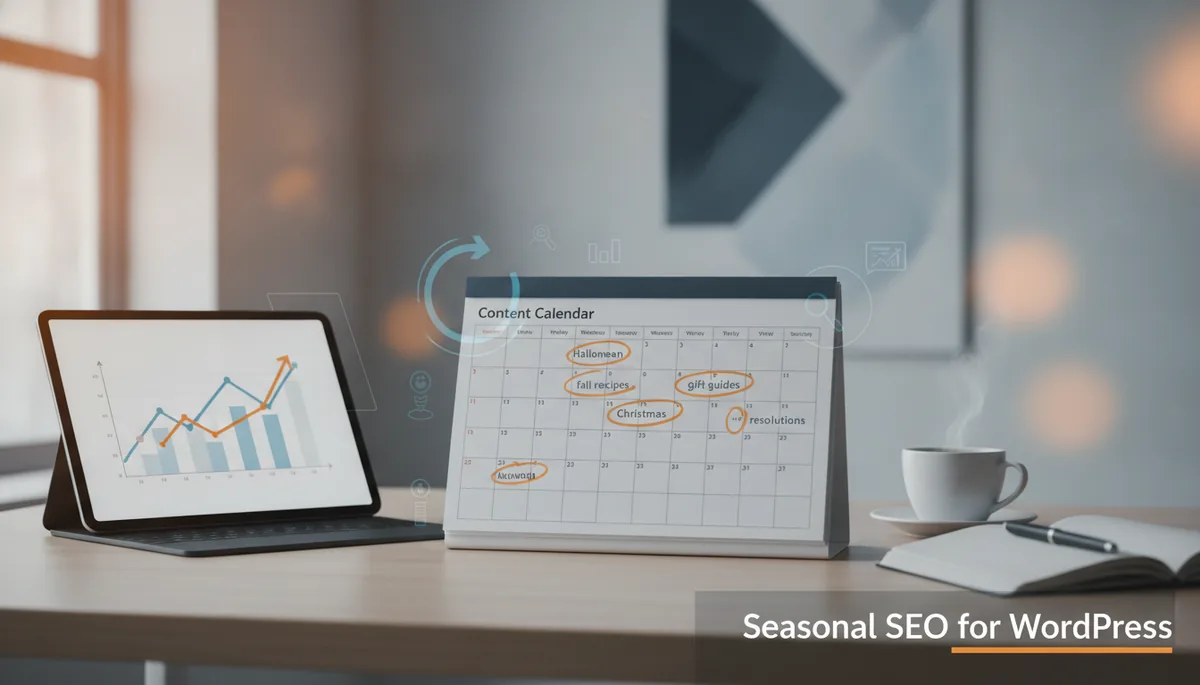
Tools: Google Keyword Planner for basics, Ubersuggest for entry-level suggestions, and Ahrefs' lite alternatives when you want deeper data. If you’re scaling content rapidly, platforms like Trafficontent can auto-generate SEO-optimized drafts and images you can edit and publish—handy, but always human-edit for voice and accuracy. Finally, set a realistic publishing cadence—two posts per week beats a sporadic sprint—then schedule and stick to it in a simple calendar (Notion, Trello, or Google Calendar will do). Consistency is the slow compounder of SEO success.
Write posts that rank: on-page SEO checklist and examples
Great posts are structured, helpful, and tuned to intent. Here’s a checklist I use and tweak every time I publish: a keyword-rich title tag with the target phrase early (keep under ~60 characters), matching H1, logical H2/H3 subheadings, a meta description that acts as ad copy, and images with descriptive alt text. Match content length to intent—how-to queries may need long step-by-step guides; quick answers should be concise.
Internal linking is underrated: link from new posts to your pillar content and vice versa. It helps crawlers and passes value between pages. Start posts with a clear intro that promises a result, use short paragraphs, and end with a single call to action—subscribe, read related post, or buy the guide. Examples of high-ROI post types: tutorial/how-to (long-form), product comparisons, and "best of" lists. These attract searchers with strong purchase or action intent.
Here’s a quick SEO-friendly post template you can copy: Title (keyword) → Short intro that states benefit → H2: What this post covers → H2: Step-by-step guide / main content (with H3s for micro-steps) → H2: Common mistakes / alternatives → H2: Tools & resources → Short conclusion + CTA. Use a human voice and tell a short anecdote if relevant—people remember stories, and so do editors (yes, search engines are weirdly social).
Test, monitor, and tune performance regularly
Testing is your safety net. Run Google PageSpeed Insights for lab and field metrics, Lighthouse for audits, GTmetrix and WebPageTest for deeper waterfall analysis. Learn the Core Web Vitals: LCP (Largest Contentful Paint), FID or INP (interaction delay), and CLS (layout shifts). These are the speed metrics Google cares about; treat them like teeth—you can ignore them, but you’ll regret it later.
Schedule audits after major changes and quarterly. Use Query Monitor to find slow database queries or plugin-related slowness, and keep a changelog for optimizations—so when a plugin update breaks something, you can trace the culprit faster than blaming Mercury retrograde. Backups are non-negotiable: UpdraftPlus or your host’s snapshot tool will save sleepless nights when an update goes sideways.
Don’t chase perfect scores—prioritize the biggest wins: optimize the largest images, defer non-critical scripts, and remove slow plugins. Keep an update routine: test backups, update plugins/themes in a staging environment, then push live. If you need the core tools, start here: Google PageSpeed Insights and Web Vitals for reference.
Monetize and grow without heavy ad spend
Ads are easy but messy—affiliate links, products, and email lists scale with less UX damage. Start with affiliate posts that genuinely solve a reader's problem and declare disclosures. Create one small digital product (an ebook, template, or mini-course) and sell via WooCommerce or Easy Digital Downloads. Services—audits, coaching, or done-for-you setups—work well if you have time and expertise.
Build an email list from day one with a simple lead magnet: a checklist or short guide tied to a popular post. Nurture with helpful, low-frequency emails; conversion comes from trust, not constant pitching. Use Pinterest and content repurposing (short social clips, newsletters, and republished excerpts) to drive additional traffic without paid ads. SEO compounds: evergreen posts get more valuable over time if you update and link them into new content.
Starter checklist: set up an email signup, create one product or affiliate funnel, publish consistent pillar content, and use analytics plus UTM tracking to see what converts. Monetization is a slow, steady game—think gardening, not gambling. If you want a quick resource on building traffic and content automation, Trafficontent and similar tools can help you maintain consistency while you focus on the creative parts.
Next step: pick one hosting option and one lightweight theme, install the caching and SEO plugins I mentioned, and publish a single pillar post using the template above—then measure and iterate. That first publish-plus-optimize cycle is where momentum starts.
Reference links: WordPress.org, Google Search Console, Google PageSpeed Insights