Ready to turn your hobby into a little corner of the internet—without paying for hosting, learning FTP, or crying over CSS? I’ve launched hobby blogs in a weekend more times than I’d like to admit (it’s a problem), and I’ll walk you through a fast, low-cost plan that gets you from “blank page” to “people actually read this” using free tools and sensible SEO. ⏱️ 12-min read
This guide covers platform choices, quick visual polish, content planning that attracts search traffic, SEO-friendly post templates, growth tactics you can do for free, subtle monetization ideas, and a 30-day launch checklist. No coding, no expensive themes, and enough humor to keep you awake while you do the work.
Choose the Right Free Platform (WordPress.com vs WordPress.org vs Alternatives)
First decision: where do you park your hobby? Think of platforms as housing choices. WordPress.com is renting an apartment — they handle the plumbing, security, and sometimes even houseplants (ads). You get a friendly subdomain like yourhobby.wordpress.com, easy setup, and minimal technical stress. If that sounds perfect for dipping a toe in, go for it: I started a mini DIY blog that way and had a post live in 22 minutes. For platform details, see WordPress.com.
WordPress.org is owning a house: more freedom, better resale value, and the ability to knock down walls (plugins, custom themes, monetization). But you need hosting and a domain, which can be free-ish if you find community hosts or education offers—but expect more hands-on management. If the idea of “self-hosted” makes you sweat, don’t panic: you can always migrate later. For full power, check WordPress.org.
Other free options like Blogger, Wix, or Weebly are like different neighborhoods. Blogger is simple and reliable if you love Google’s ecosystem; Wix/Wеebly have drag-and-drop flair if you’re allergic to blocks of text and like pixel-perfect layouts. Each has limits: branding restrictions, limited plugins, or ads unless you upgrade. My rule of thumb: choose fast setup for testing and a path to upgrade if the blog sticks. If you want official SEO guidance, check Google’s SEO Starter Guide for basics that apply no matter the platform.
Initial Setup: Getting Your Free Blog Online
Signing up for a free plan is the quickest victory you’ll get this week. I’m not kidding—pick an email, click a few buttons, and you’re live. Choose a short, hobby-specific subdomain (yourhobbt.wordpress.com, not crazy-long-username-123.wordpress.com). Keep it memorable and easy to spell—if someone can’t type it in without sighing, you’ll lose them at step one. Think of your subdomain as the handshake for your blog: firm, friendly, not awkward.
After signup, lock down the basics in Settings: site title, a concise tagline that explains what readers gain, and your time zone (scheduling posts at 3 a.m. in a different timezone is the internet equivalent of cooking at midnight and regretting everything). I usually write my site title as hobby + promise, e.g., “Urban Knots: Simple Macramé for Busy People.” Your tagline should answer the question “Why am I here?” quickly.
Don’t skip the privacy basics. Free platforms sometimes place their own ads or place limits on data export. Read the free plan terms so you understand what you own and what you don’t. Also create essential pages now—About, Contact, and a rudimentary Privacy Policy (you can use platform templates or simple language stating you use analytics and rely on referral links). These three pages are like a tiny welcome mat and a legal seatbelt; you’ll thank me later when a reader asks who you are or when an affiliate network asks for a link to your policy.
Fast Setup: Free Themes, Branding, and Essentials
Visual polish doesn’t need to take hours or a designer’s salary. Free theme libraries on WordPress.com, Blogger, and Wix have gems—search for “minimal,” “portfolio,” or “magazine” styles depending on your hobby. Preview themes with your content in the demo mode; a good theme emphasizes readability, supports clear headings, and shows off images without turning everything into a 1999 Geocities nightmare.
When you hit Customize, focus on three things: colors, typography, and header image. Pick one primary color and one neutral; use readable fonts (serif for long reads, sans for modern how-tos). I once built a plant-care blog with a minty green accent and a single hero image—clean, instantly recognizable, and viewers didn’t leave because the font made them squint like they were reading fine print on a shampoo bottle.
Essential pages and navigation should be visible in your header or top menu: Home, About, Start Here (for beginners), Tutorials/Projects, and Contact. Add a footer with a short bio and links to social profiles. If your platform supports widgets, add a search box and a “Popular posts” list—these two features dramatically reduce bounce rate and help visitors find useful content without tuning a map.
Content Planning That Drives Traffic
Now to the part that actually makes people show up: content that answers questions. Treat planning like prepping ingredients for a recipe—get the basics ready so actual cooking isn’t a panicked mess. Start with an evergreen brainstorm: list 20–40 topics that will still matter in 6–12 months. For a gardening blog that might be “Beginner houseplants that survive neglect,” “Repotting 101,” and “Common pests and how to win.”
Use a 15-minute timer for a rapid-fire “what would a beginner ask?” session. I do this exercise with a notebook and a strong coffee; it’s shockingly effective. Rank those ideas by three criteria: relevance (real reader need), searchability (do people type this into Google?), and uniqueness (can you add a personal twist?). Aim to create 3–5 pillar posts—long, comprehensive guides that all shorter posts link back to. Pillar content tells search engines and readers, “This blog actually knows its stuff.”
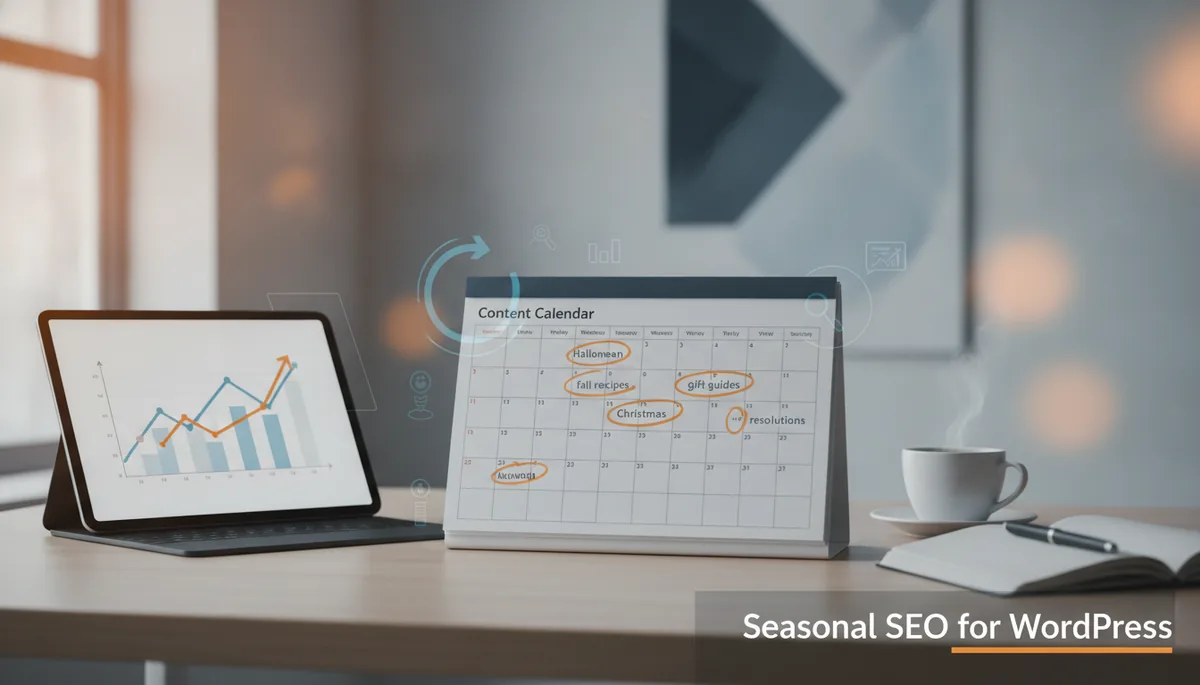
Create a simple content calendar—two columns: Topic / Publish Date. Don’t overcommit: for a hobby blog, consistency beats volume. One solid post each week is better than five rushed ones then silence. Map each post to search intent: Are visitors looking for how-to, ideas, or product comparisons? Tailor the post structure to match: how-to guides for intent to act, listicles for idea generation, and comparisons for purchase intent. Include one CTA at the end—comment, share, or a small lead magnet invite (email sign-up or printable guide).
Practical How-To: Publishing Your First SEO-Optimized Post
Publishing your first SEO-ready post is like making a good omelet: it looks impressive but it’s mostly technique. First, pick one primary keyword (the main phrase people will search). Keep it specific and realistic—don’t try to rank for “photography” on day one. Use a title that includes the keyword and promises value: “Beginner Bonsai Watering Guide: 5 Simple Steps for Healthy Trees.”
In the editor, structure your post so skimmers and search engines both win. Use H2s for main sections and H3s for finer points. Short paragraphs, bulleted lists, and images every 200–400 words keep readers moving. Add alt text to images that describes the photo and naturally includes your keyword if relevant. If your platform lets you edit the URL slug, make it short and keyword-focused (e.g., /bonsai-watering-guide).
Internal linking is where many hobby bloggers miss an easy win. Link from your new post to an existing guide (or to a placeholder “start here” pillar) and vice versa—this creates a content loop that helps readers and search bots. Preview on mobile and desktop; fix any odd spacing or oversized images. Finally, write a meta description under 160 characters that sells the benefit (e.g., “5 simple bonsai watering steps for beginners—no fuss, no mystery”). Publish, then share the link to groups and socials where your ideal readers hang out.
Write SEO-friendly Posts Fast (Templates and Techniques)
Writing quickly doesn’t mean sloppy. Use a reusable template that covers the essentials: headline, 2–4 H2 sections, quick steps or tips, images, internal links, and an FAQ/closing CTA. I keep a document with three templates—how-to, listicle, and comparison—and drop them into new posts. It saves time and keeps your tone consistent (which matters more than people think).
Headline formula: [Primary keyword]: [Benefit or promise]. Examples: “Budget Camera Lenses: 6 Picks for Beginner Photographers” or “Couch-to-5K for Busy Parents: A 6-Week Plan That Works.” For meta descriptions, make the benefit obvious and include the keyword once. Keep sentences punchy—short paragraphs let the reader breathe and help you write faster.
On keywords: pick one primary keyword and sprinkle 1–2 related phrases naturally. Avoid keyword stuffing; if a sentence sounds robotic, it probably is. Add an FAQ section at the end with 3–5 short Q&As using common search queries—this often captures featured snippets. Use internal links deliberately: link from new posts to pillar content and from pillar content to recent posts. That internal web is the secret handshake between your posts and search engines.
Growth Tactics on a Hobby Blog (Low-Cost, High-Impact)
Growth for a hobby blog is less about viral overnight fame and more about steady, deliberate traction. Pinterest is a powerhouse for image-driven niches—crafts, recipes, and DIY posts get rediscovered months later. I once drove consistent weekly traffic to a knitting tutorial by making a few vertical pins and scheduling them with a free scheduler. Pinterest is like a search engine dressed as a mood board—treat it accordingly. For more on Pinterest’s business tools, visit Pinterest Business.
Repurposing content is another high-ROI move. Turn a long tutorial into a 3-part series, make short videos for social, or compile top posts into a downloadable PDF. Robust internal linking helps new readers find the best content and keeps session times longer—both positive signals for search engines. Email remains underrated: a simple weekly note with one featured post will keep your readers returning without sounding like a used-car salesperson.
Also focus on community-driven tactics that cost nothing: guest posts in niche forums, answering questions on Reddit (without spamming), and posting to hobby groups. Small wins add up: a helpful comment in a forum can bring targeted visitors for months. Track what brings traffic—Google Analytics or platform stats—and double down on the channels that perform best rather than chasing every shiny new app.
Building a Community Around Your Hobby Blog
Community turns a blog from a monologue into a living thing. Respond to comments within 24 hours when possible—thank people, answer specifics, and avoid “Thanks!” as the only reply. A little personality goes a long way. I once replied to a reader’s comment with a goofy plant pun and that interaction led to an email chain of tips—and a guest post—so don’t underestimate charm. Be human, not corporate.
Encourage interaction with direct prompts: “What’s the first tool you’d buy for this project?” or “Share one rookie mistake you made.” Open-ended questions lead to stories, not yes/no replies. Use polls sparingly to gauge interest—three options max—and publish the results in a follow-up post. That shows you listen and gives readers a reason to come back and see the outcome.
Consider a small group on platforms your audience uses—Facebook Groups, Discord, or a simple email list. Keep rules light, foster kindness, and seed discussions with weekly prompts. Over time, active members will answer newcomers, reducing your moderation load and creating social proof. Community also becomes a feedback engine: ask members what they want next and you’ll get content ideas that already have an audience ready to read.
Monetization Without Heavy Ad Spend
If you want to make a little money without turning into a nonstop sales pitch, keep monetization gentle and honest. Affiliate links are a natural fit for hobby blogs—recommend gear you actually use and disclose the partnership. Readers appreciate transparency; they’ll forgive a small affiliate link if your advice is solid. I keep affiliate placements contextual (in product lists or comparisons), not plastered in every paragraph like pop-up glitter.
Digital products and micro-services scale well: a $5 printable checklist, a 10-page guide, or a mini video course. These feel like a fair trade: readers get useful content and you get a tidy reward. “Buy me a coffee” buttons are also great for hobbyists who want occasional support without a membership commitment. If you consider sponsored posts, choose partners aligned with your niche and keep sponsored content clearly labeled.
Avoid intrusive ads early on—those reduce trust and ruin the cozy vibe. If you eventually run display ads, put them in unobtrusive spots and use them to cover hosting costs rather than as a primary income plan. The smartest monetization is the one that supports the blog without changing its character: readers come for your voice, not the price tags.
Launch Checklist and 30-Day Plan
Here’s a practical 30-day plan to go from zero to a launched, readable hobby blog. Think of it as a weekend sprint plus a monthly rhythm. I used this checklist the last time I launched a mini travel-photo blog and it cut decision fatigue in half.
- Day 1: Choose platform & subdomain; fill in Settings (title, tagline, timezone); create About and Contact pages.
- Day 2: Pick and customize a free theme; set colors and fonts; add header image and navigation.
- Days 3–7: Brainstorm 20 topic ideas; pick 3 pillar posts and 4 supporting posts; set publish dates.
- Week 2: Write and publish your first pillar post (SEO-optimized); add images with alt text and internal links.
- Week 3: Publish two supporting posts; create 3 Pinterest-ready images and schedule them; add content to social profiles.
- Week 4: Set up basic analytics (platform stats or Google Analytics if platform allows); send first email to 10 friends for feedback; engage in two relevant forums and share your most helpful post.
- End of Month: Review traffic and engagement; pick top-performing content; plan the next month’s calendar accordingly.
Milestones to watch: first 50 visitors/day, first comments, first email subscriber. These are your honest wins. If you’re aiming to monetize soon, prepare one small product or affiliate list by the end of month two. If something feels wrong, iterate—nobody nails everything on the first run, myself included (I once scheduled a post with a placeholder title that read “INSERT