Starting a niche blog can feel like trying to assemble IKEA furniture without the tiny Allen wrench—possible, but a lot easier with a plan. In this guide I’ll walk you from a sparkling idea to a disciplined publishing sprint that gets you 50 posts live quickly, without burning cash on ads. Expect concrete templates, a 12-week content calendar, SEO basics that don’t require a PhD, and growth hacks that let automation do the heavy lifting. ⏱️ 11-min read
I’ve launched micro-niches that grew to thousands of monthly visits in a few months by focusing on tiny audiences, repeatable formats, and a consistent schedule. Follow this blueprint one step at a time and you’ll avoid the classic shiny-object trap that kills most hobby blogs.
Clarify Your Niche and Audience
The first step is brutally simple: pick a micro-niche that sits at the intersection of your interest, knowledge, and a real audience. Think "budget home espresso for beginners" instead of "coffee." Narrow beats broad—every time. If your topic is too tiny, nobody cares; too broad, you’ll be lost in the content ocean. Imagine you’re dating: you want someone who loves your weird obsession, not someone who tolerates it politely while checking their phone. Yes, niche selection should be romantic and pragmatic.
Build a reader persona. Give them a name, age range, situation, and one headline pain point. Example: "Sam, 32, new parent, wants 5 minutes to drink hot coffee and needs a simple espresso setup under $200." This persona becomes your editorial compass. Ask: what keeps them up at night? What search queries would they type at 2 a.m.?
Validate before committing: run quick keyword checks (see Google Keyword Planner below), scan Reddit threads, and read product reviews in your niche. If you find forums, active social posts, or Q&As with consistent problems, you’ve got fuel for dozens of posts. Don’t fetishize unique ideas—solve a known problem well and the readers will find you. Also: if your niche is "competitive nose-picking techniques," maybe pivot to something with slightly fewer ethical questions.
Choose Your WordPress Setup (Free to Start)
Choose the hosting model that fits your ambition. Use WordPress.com if you want the simplest “turnkey” route—think test-driving the idea in a rented studio. It’s free to start, no server headaches, but with limitations like a .wordpress.com domain and restricted plugins. For a real brand and long-term monetization, go WordPress.org: the software is free but you need hosting and you own everything. That’s the difference between renting and owning the house—you can paint the walls neon if you want (and some people do).
If you’re cost-conscious, start with a cheap shared host (Hostinger, SiteGround, or a starter plan from another reputable host) and a lightweight theme. Choose a block-friendly starter theme like Astra, GeneratePress, or the default Twenty Twenty-Three—these keep load times low and customization sane. Install 4 essential plugins: a caching plugin (for speed), an SEO plugin (Yoast or Rank Math), a backup plugin, and an image optimizer.
Want to keep costs near-zero while you test? Use WordPress.com for a few weeks to validate topics; when you hit traction, migrate to self-hosted WordPress.org (there are many migration guides). I’ve used both: WordPress.com is great for leaning in quickly; WordPress.org is the stage for a real business. Pro tip: buy a domain early so your brand doesn’t end up as mygreatblog.wordpress.com—no one wants that kind of commitment anxiety.
References: WordPress.org (https://wordpress.org/)
Craft a Concrete Content Plan
A content plan is your map from idea to 50 posts. Start with 3–5 content pillars—broad, repeatable categories that reflect your audience's needs. For a beginner espresso blog that might be: "Starter Gear," "How-Tos & Tutorials," "Recipes & Timings," "Maintenance & Troubleshooting," and "Budget Upgrades." Pillars keep your topics organized and make internal linking logical later.
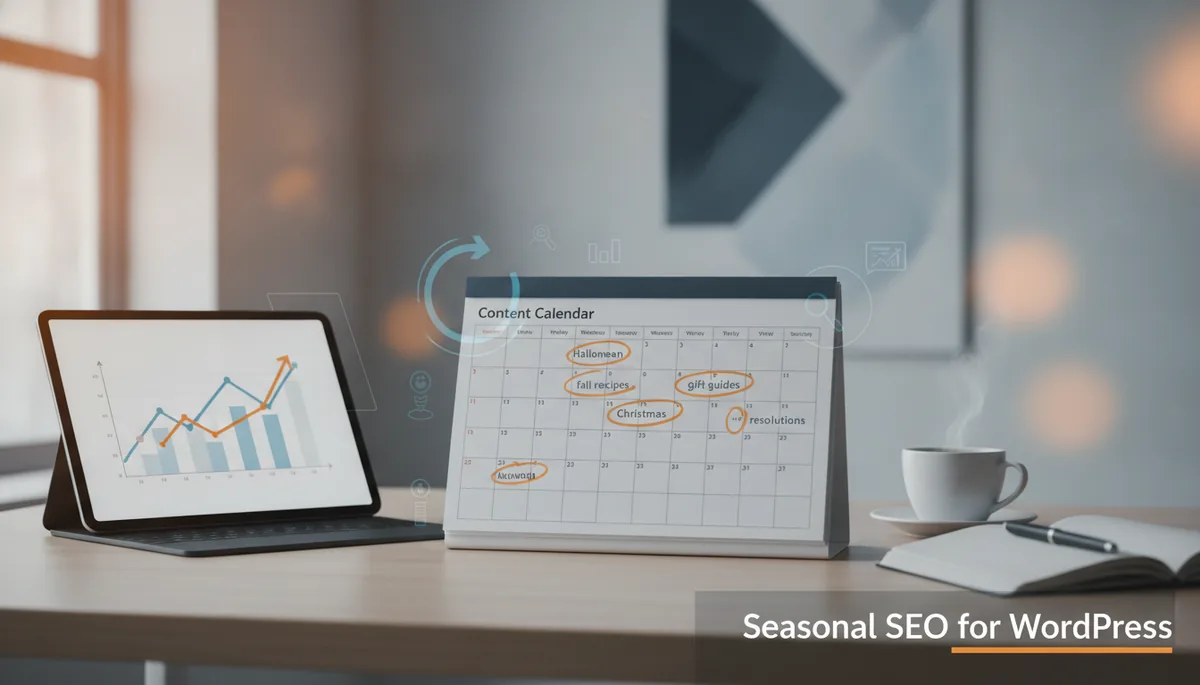
Create a 12-week calendar anchored to those pillars. Block out when you’ll publish pillar content (long, cornerstone posts) and when you’ll publish cluster posts (narrow, tactical posts that link back to a pillar). Use free keyword tools like Google Keyword Planner to surface search intent and volume; look for keywords with reasonable traffic and achievable competition. Google Keyword Planner: https://ads.google.com/home/tools/keyword-planner/
- Week structure example: 3 posts/week for 12 weeks = 36 posts. Add focused weekend sprints or repurposed posts to reach 50.
- Seed 5 pillar topics and generate 8–10 clusters per pillar. That math gets you to 40–50 posts quickly.
- Prioritize evergreen content first; sprinkle timely pieces that can drive early social shares.
To generate 50 ideas quickly, work backward from user questions: "How do I grind for a moka pot?" -> “Best grinders under $50” -> “Moka pot maintenance checklist.” If you’re stuck, mine comments, Amazon reviews, and forum threads for frequently asked questions. I like to sketch a 12-week calendar in a simple spreadsheet—date, title, type, pillar, target keyword, CTA. That tiny habit turned chaos into a production line in my projects.
Create Fast, High-Impact Post Templates
Templates are the secret weapon. They let you scale voice and quality without reinventing structure for each post. Build 3–4 go-to templates: How-to (step-by-step), List (top X), Case Study (real user story + data), and Beginner’s Guide (everything a newbie needs). Each template should have the same skeleton: short hook (2–3 sentences), promised outcome, body split into clear H2s or numbered steps, and a one-paragraph conclusion with a next-step CTA.
Use the WordPress block editor’s reusable blocks or patterns for these sections—an intro pattern, a CTA block, and a standardized image + caption block. That way, formatting is done with one click and your posts look consistent. Keep paragraphs short; readers scan. One-sentence paragraphs are allowed and often welcome—this is not a term paper. Reuseable blocks also mean you can swap a promotional CTA across 50 posts without editing each article one-by-one. If you like automation, tools like Trafficontent can auto-generate SEO-optimized drafts and format images, which I’ve used to speed up the early weeks (they handle scheduling and distribution too).
For each template, include an SEO checklist: main keyword in title, an H2 with an LSI keyword, alt text for images, a meta description draft, and internal link placeholders to pillar posts. This keeps posts search-friendly without turning editing into a scavenger hunt. Finally, save three tone-of-voice notes (friendly, slightly sarcastic, and practical) so your voice stays human even when production ramps up. Yes, your blog can sound like you—no AI monotone required.
Publish Your First 50 Posts: Sprint Plan
Publishing 50 posts fast is less about speed-writing and more about a disciplined sprint. Pick a cadence you can sustain: 3 posts/week is a realistic pace for most beginners and keeps momentum. For an aggressive 12-week push, you can scale from 3 to 4 posts/week and hit 50 by batching smartly. Treat each week like a mini-project: research day, draft day, edit/format/publish day.
Batching is everything. Do all research for three posts in one session, outline them in the next, then draft them back-to-back. My working rhythm: 90 minutes of research, 60 minutes to outline three posts, 60–90 minutes to draft each post, then a 30-minute edit pass for two posts. Use templates to reduce friction. If you miss a day, don’t collapse—shift the schedule forward rather than panicking. Consistency beats perfection.
- Mini-checklist per post: title, hook, outline, images (optimized), SEO snippet (meta + slug), internal links, publish date, social blurb.
- Automate image creation and scheduling with a tool like Trafficontent or a Canva template to save hours.
- Block calendar time: mark two hours every morning for content creation and protect it like a dentist appointment you actually attend.
One practical sprint example: Weeks 1–4 focus on two pillar posts and 8 cluster posts; Weeks 5–8 double down on clusters and update pillar pages with internal links; Weeks 9–12 ramp to 4 posts/week, include 5 repurposed posts (podcast show notes, Q&A roundups), and launch an opt-in. I’ve hit 50 posts this way twice—mood swings included but manageable. And if you’re wondering: yes, you can still have a social life. Sort of.
On-Page SEO and Readability for Beginners
Think of on-page SEO like dressing your content in clothes people notice—title tags are your flashy jacket, meta descriptions are your elevator pitch. Use clear, benefit-driven titles that include the main keyword, and write meta descriptions that summarize the value in one sentence. Google’s Search Central has a handy guide on meta tags and title best practices if you want the nitty-gritty (it’s one of those bedtime reads that actually helps): https://developers.google.com/search/docs/advanced/appearance/title-link
Writers hate rules but readers love them: one H1 (your title), logical H2s and H3s, short paragraphs, and numbered steps for process posts. Include at least 2–3 internal links per post back to pillar content—this not only helps readers navigate but also tells search engines what pages you consider important. Use descriptive anchor text (don’t link "click here"—link "budget espresso grinders").
Readability matters more than keyword density. Use active voice, shorter words, and bullets for lists. Add images and captions; alt text improves accessibility and gives Google more context. Consider adding FAQ schema for common questions—these often appear as rich snippets. Use an SEO plugin like Yoast or Rank Math to score your page and suggest small fixes; they’re not perfect, but they stop you from making dumb mistakes (like forgetting a meta description).
Finally, pair SEO with human-first copy: answer the question quickly near the top, then back it up with examples, images, and a clear next step. That’s how you win both clicks and trust—because readers came for the answer, not a novel about your preferences in coffee mugs.
Monetization Without Heavy Ad Spend
Monetization doesn’t require a billboard-sized ad budget. Start by building value and trust, then introduce revenue streams that align with your audience. Affiliate marketing is the easiest first step: recommend products you’ve tested and naturally fit your niche, place links where readers are making decisions, and always disclose relationships. Use simple UTM tracking to see which posts drive clicks and commissions—data beats guesswork.
Create small digital products next: checklists, printable starter guides, or short email courses. These are high-margin and useful for readers who want a shortcut. I once launched a $7 "espresso starter checklist" and it paid for a month of hosting within a week—small offers convert if they solve a single, painful problem.
Offer services like one-off coaching calls, site setups, or content audits as you build credibility. These can be premium, limited-time offers that fund your content creation. Sponsored posts are an option later, but don’t beg for brand deals until your traffic and email list tell a story worth paying for. Always label sponsored content clearly—integrity matters more than short-term income.
- Monetization roadmap: affiliates (start), digital products (scale), services (freelance/coaching), sponsorships (mature stage).
- Tools: Gumroad for small products, Teachable for mini-courses, and simple tracking with Google Analytics + UTMs.
Key rule: monetize when your content solves a measurable problem. Your readers will reward helpfulness; they won’t reward endless popups and banner blindness. Try a soft launch of one product and iterate—think MVP, not empire day one.
Growth, Automation, and Scale
Growth comes from distribution and repetition, not magic. Pick 2–3 channels where your audience lives and focus there. For many niches, Pinterest (visual search), X (quick sharing), and LinkedIn (professional niches) offer dependable referral traffic. Share each new post with a short, specific hook and a visual pin or image template. Scheduling tools like Tailwind (for Pinterest) and Buffer or Hootsuite for other platforms save hours. Yes, you can automate posts without sounding robotic—use varied captions and respond manually to comments to keep the humanity.
Start an email list on day one. Offer a small opt-in that solves a tangible problem (e.g., "Instant Espresso Starter Checklist"). Build a welcome sequence of 3–5 emails that delivers value first and soft-sells later. Segment readers by interest to tailor offers. Email is where readers become customers; social is mostly discovery.
Repurpose like a recycler on a mission: turn a pillar post into a 3-slide LinkedIn post, 10 Pinterest pins, a short X thread, and an email. Automation tools like Trafficontent can generate variants, images, and autopublish across channels (I’ve used it to keep a steady cadence when I was juggling three projects). Track everything with UTM tags and revisit performance biweekly. If Pinterest drives traffic, batch-create pins; if LinkedIn converts, publish longer posts there.
Mini-case: I launched a budget espresso micro-site, published 12 posts in 6 weeks, used Pinterest-heavy distribution, and saw organic visits jump to ~2,000/month with ~210 email signups. The multiplier was repurposing—one article became dozens of social assets. Growth is more endurance than sprint; automate the routine, but spend your creative energy on the content that moves the needle.
Next step: pick one pillar, create a 12-week calendar, and block two hours tomorrow morning to outline your first three posts—then protect that time like it’s a dentist appointment you actually plan to keep.