Starting a blog should feel like brewing great coffee, not assembling an IKEA bookshelf blindfolded. I’ve watched writers and new bloggers waste days wrestling with flashy themes that promise the moon and deliver eight slow-loading sliders and an identity crisis. Minimalist WordPress themes flip that script: they give you a clean, professional canvas that highlights your words, loads fast, and keeps customization simple—so you can grow readership without hemorrhaging time or ad dollars. ⏱️ 11-min read
In this guide I’ll walk you through why minimalism is a strategic choice, what to inspect before you install, the wordpress-blog-posts/" rel="nofollow noopener noreferrer">best free themes that actually look polished, and how to customize them without coding. Expect concrete checklists, quick-start steps to get a homepage live in under an hour, and sensible growth and maintenance advice so your site stays nimble as you scale. Think less “theme circus,” more “quiet stage for your writing.”
Why minimalist themes are a fast, professional choice for new WordPress blogs
Minimalist themes act like a good editor: they remove distractions so the content breathes. When I switched a client’s blog from a feature-bloated theme to a minimalist one, the bounce rate dropped and readers spent longer on posts—because the page wasn’t shouting at them from every corner. Minimal design reduces cognitive load: a bold headline, a single hero image, and one clear call-to-action is often all you need. No confetti, no pop-up circus, no accidental autoplay video that makes visitors sprint back to the search results.
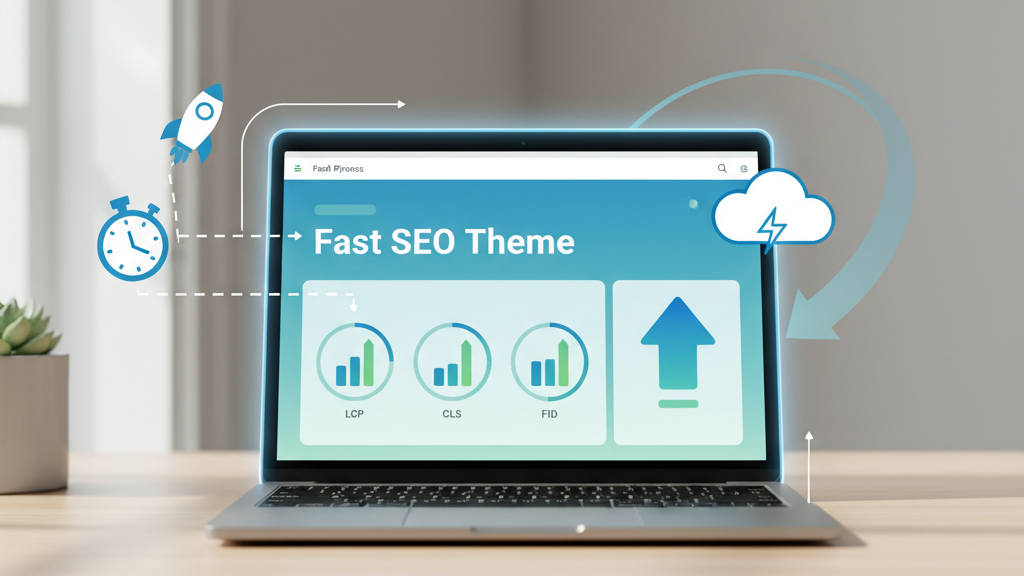
Technically, minimal themes usually mean lighter CSS and fewer JavaScript dependencies. That translates to faster first paint, fewer layout shifts, and a more reliable experience across hosts and devices. In plain English: your pages load faster, update easier, and don’t break after the next plugin did a software tango. From an SEO and trust standpoint, speed and readability matter—search engines favor performance, and humans like when things behave predictably. In short: minimalism helps you build credibility quickly without spending on ads or endless tweaks.
Also, minimal themes force you to make clear design choices instead of hoarding options. It’s like being told to wear one bold accessory rather than five that fight for attention—people will actually remember you.
What to look for in a free minimalist WordPress theme
Not all “minimal” themes are created equal—some are minimalist in appearance but not in code. Here’s a pragmatic checklist I use (and recommend) when picking a free theme that won’t make you regret your life choices the first week:
- Responsive, fluid layout: Verify it adapts cleanly from phone to desktop. Resize your browser and check for awkward wrapping or cramped headlines.
- Clean, semantic HTML and lightweight CSS/JS: Fewer assets = faster load. Look for themes with small stylesheet sizes and minimal external scripts.
- Accessibility basics: readable contrast, visible keyboard focus states, and logical DOM order. Try a quick contrast test and tab through the demo to see if links and forms are reachable without a mouse.
- Customizer/Block support: Live preview controls for typography, colors, header/footer layout, and container width. Themes that play nicely with the block editor (Gutenberg) let you build pages without installing a page-builder plugin.
- Regular updates and active support: A theme last updated three years ago is a risky date at the altar. Check the theme’s WordPress.org page for recent commits and support threads.
- Modular features: If a theme offers optional modules (like WooCommerce or extra header layouts), make sure you can disable the ones you don’t need.
One practical tip: install the theme on a staging site or local environment first and import any demo content. That reveals whether style rules are easily changeable or buried in dozens of unnamed classes. If changing a font or color requires rewriting code, it’s not minimal—it’s a trap.
Best free minimalist WordPress themes that look professional
There’s healthy competition in the free theme space. I’ve tried them on client sites and my own projects; these options consistently deliver a professional look without weighing down your site:
- Astra (Free) — Lightweight by design, Astra offers a broad set of starter templates and solid typography controls. It plays well with Gutenberg and page builders if you ever need them, but stays lean by default.
- Neve (Free) — Fast and focused on modern layouts. Neve’s starter sites are clean and perfect for writers who want to swap in their own copy quickly.
- Kadence (Free) — Offers neat starter templates and excellent integration with the block editor. Great for portfolios and single-column blogs that favor white space.
- GeneratePress (Free) — Known for small footprint and accessibility. The free version gives you the essentials; the premium add-on is optional for advanced control.
- OceanWP (Free) — Modular approach: switch on only the features you need. It can be slightly more feature-rich out of the box, so be discerning about enabled modules.
- Blocksy (Free) — Modern, block-first theme with clean starter templates. It’s flexible, but keep an eye on extra assets if you load lots of block patterns.
Trade-offs: the free tiers save money but can skip advanced controls (advanced typography, detailed header editors). If you keep the site intentionally simple, these free versions are often all you need. My rule: choose the theme that looks closest to your end goal out of the box—less tweaking means less chance of creating a Frankenstein site that looks like it lost a fight with a plugin.
Want to eyeball theme health? Check the theme’s WordPress.org page for update history and support activity, and run a Lighthouse audit after installing it to see immediate performance impacts.
Easy customization without coding: using the Customizer, block editor, and starter sites
One of the best parts of modern WordPress is how little code you actually need. The Customizer gives you live previews for colors, fonts, header height, and site width—so you can experiment without the dread of accidentally breaking the layout. I often tell beginners: pick a calming monochrome palette, choose one accent color, set a comfortable container width (around 680–720px for single-column reading), and call it a day. The web doesn’t need another neon hero banner.
Gutenberg blocks and block patterns are your friends. Use hero blocks, two-column feature sections, and a simple testimonials pattern to build consistent pages. Save repeated sections as reusable blocks (for example: author bio, a call-to-action, or a footer sign-up block). That guarantees consistent spacing and typography without fiddling page-by-page. Group blocks help keep margins and backgrounds tidy; align blocks to the same width and you’ll avoid the “floating island” look where components jarringly mismatch.
Starter sites are a huge time-saver. Astra Starter Sites, Kadence Starter Templates, and similar libraries give you a clean skeleton—swap logos, replace demo copy with yours, adjust fonts, and you have a polished homepage in minutes. Import wisely: don’t bring in every asset from a demo. Remove unused images, widgets, and plugins to keep the site lean.
Minimal plugin recommendations: one caching plugin (e.g., WP Super Cache or LiteSpeed Cache), an image optimizer (ShortPixel, Imagify, or WebP conversion), and an SEO plugin (Rank Math or Yoast). That’s it for day one. Resist installing that hundred-feature “optimizer” until you truly understand what each toggle does—most have charmingly named options that will ruin your layout if you’re not careful.
Speed, accessibility, and SEO: getting the most from minimalist themes
Minimalist themes give you a head start on performance and accessibility, but you still need a few sensible practices to maintain that advantage. Speed is a cumulative game. Smaller CSS and JS bundles matter, but so do image formats, caching, and lazy loading. I recommend serving responsive images (srcset), using WebP where possible, and enabling lazy loading for offscreen media. Use a caching plugin, enable server-level compression (gzip or brotli), and consider a lightweight CDN if your audience is global.
Accessibility isn’t optional. Simple steps yield big wins: use semantic headings (one H1 per page), add meaningful alt text to images, ensure color contrast meets guidelines, support keyboard navigation, and include a skip link for screen-reader users. Don’t overuse ARIA; prefer semantic HTML—proper tags and landmarks do most of the work.
SEO-wise, minimalist sites are advantaged by clean markup and clear content structure. Keep one strong H1, follow with logical H2/H3 subheadings, and write descriptive meta titles and descriptions. Structured data (Article, Breadcrumbs, or FAQ schema) can increase SERP visibility—implement these lightly through a reputable SEO plugin or manually if you know what you’re doing. Routinely check Google Search Console for crawl errors and use Lighthouse to monitor Core Web Vitals.
A final note: speed and accessibility are not just SEO checkbox items—they’re trust signals. Slow pages frustrate readers and make your copy work harder to earn attention. Minimalism reduces friction so your writing can do its job.
Quick-start setup: from install to a polished homepage in under an hour
Yes, really—you can have a professional-looking homepage in less than one hour. I do it for clients all the time when they need a quick launch. Here’s a pragmatic, timed checklist to get you from fresh WordPress to publish-ready:
- Choose and install a free minimalist theme (10 minutes): Pick Astra, Neve, or Kadence from the Theme Directory and activate it.
- Import a starter template (10–15 minutes): Use the theme’s starter kit—import the demo content you need, not the kitchen sink.
- Swap in basic branding (10 minutes): Upload logo, set site title and tagline, choose your accent color and a system font like Inter or system-ui to keep things fast.
- Create essential pages (15 minutes): Home, About (short blurb), Blog, Contact. Keep content concise and skimmable.
- Configure homepage layout (10 minutes): Add a bold hero statement, 2–4 featured posts, a short about blurb, and social links. Place a subscribe block above the fold if you have one.
- Optimize basic SEO and images (10 minutes): Add alt text, write meta titles/descriptions, compress images, and set featured images for posts.
- Final checks (5 minutes): Mobile preview, click through menu links, run a Lighthouse mobile test for quick feedback.
That sequence gets the essentials live and polished. The goal is to be deliberate, not perfect—publish, then iterate. I often tell new bloggers: launch with your best small version and improve it in public. People prefer a genuine voice over a perfect homepage that never gets finished.
Maintenance and growth: when to upgrade and how to scale a minimalist blog
Minimalism doesn’t mean “set and forget.” It means “maintain lightly.” Adopt a small routine and you’ll keep your site healthy without turning into a full-time sysadmin. Here’s a practical maintenance rhythm I recommend:
- Weekly: Update plugins, themes, and WordPress core. Check the front page and a few recent posts for visual glitches after updates.
- Daily or post-publish: If you publish frequently, run quick backups or use a managed host that snapshots automatically.
- Monthly: Run performance tests (Lighthouse), audit unused plugins, and compress new images.
- Quarterly: Review analytics for top-performing content and update stale posts with fresh links and images.
Backups and staging are non-negotiable. UpdraftPlus and many hosts provide easy backup and restore options—test your restore on a staging site occasionally so you don’t discover your backups are imaginary in a crisis. Security scanning and basic hardening (limit login attempts, use an app password or 2FA) are lightweight but effective.
When to upgrade to paid tools or a premium theme? Upgrade when the free version is actively blocking your content strategy—if you need finer typography control, advanced header behaviors, or guaranteed support and updates. Compare the cost of the premium option to the hours you’d lose fiddling with workarounds; often the paid route is cheaper in time and sanity.
To scale without clutter: create reusable block templates for content types (reviews, long-form posts, listicles), use a single pattern library for visuals, and keep plugin usage minimal and purposeful. Growth should add readers, not plugins.
Real-world examples: quick case snippets and takeaways
I like examples because they turn abstract advice into something you can picture over coffee. Here are two short cases where minimal themes paid off fast:
Case 1 — The writer who wanted calm: A personal blog suffering from slow page loads and visual noise switched to Neve’s minimalist starter. We reduced plugins, tightened typography (large serif headings + sans serif body), optimized images to WebP, and enabled lazy loading. Result: faster load times, cleaner reading experience, and higher engagement on long-form pieces. Moral: typography and speed are credibility magnets.
Case 2 — The portfolio that looked premium on a freelancer budget: A designer used Kadence wordpress-blog-a-beginners-setup-checklist-for-new-writers/" rel="nofollow noopener noreferrer">Free starter templates and built a single-column portfolio. By keeping only essential project images and minimal meta text, the site looked curated and professional without a premium theme. Leads increased because the layout made project details easy to scan—employers appreciated the clarity.
Common takeaways: consistency across typography, spacing, and color builds trust. A disciplined content cadence (even one post every two weeks) trumps flashy design if you want steady growth. And practical optimization—image compression, lazy loading, and trimming unused plugins—usually yields the biggest returns for the least drama.
If you want to dig deeper into performance and testing, Google’s Lighthouse and Search Console are reliable resources: Lighthouse, Google Search Console. For theme health and updates, check a theme’s page on the WordPress.org directory: WordPress Themes Directory.
Your next step: pick one of the recommended free themes, import a starter template, and follow the quick-start checklist above. Launching a clean, fast blog beats perfecting a flashy one that never publishes—believe me, your future readers will thank you.