I’ve built, redesigned, and rescued more WordPress blogs than I care to admit—some with free themes that behaved like charming but flaky roommates, others with premium themes that were more like hiring a practical, punctual assistant. In this piece I’ll walk you through the real differences between free and premium WordPress themes, how those differences affect speed, conversions, and ongoing costs, and a practical playbook you can use to pick a theme that actually improves your bottom line. ⏱️ 10-min read
Expect clear trade-offs, a little sarcasm (because choosing a theme shouldn’t be boring), and concrete math so you can estimate payback over 12–24 months. If you want to stop guessing and start measuring ROI from your theme choice, you’re in the right place.
Premium vs free: core trade-offs
Let’s cut to it: free themes save cash today and usually cost time later. Premium themes demand money up front but often shave hours off setup, reduce the need for third-party plugins, and include official support. Think of a premium theme as a pre-fitted suit; it might cost more than a T-shirt, but it’ll look better at the wedding and you won’t be sewing buttons at midnight.
Premium themes bundle page builders, pre-built templates, global styles, and performance presets. That reduces plugin sprawl—less plugin drama means fewer compatibility issues when WordPress core updates land. Free themes, by contrast, lean on community help and third-party add-ons. That’s perfectly fine if your needs are simple, but it becomes a juggling act once you want custom headers, mega menus, or e-commerce-ready templates.
From an ROI angle, the difference is time and reliability. A premium theme can get you to launch faster and avoid rebuilds when traffic grows. A free theme might win you a few dollars today while costing hours in accidental troubleshooting later—like a free pizza that requires a mortgage to move the couch it stains.
Speed, performance, and SEO implications
Speed isn’t vanity—it's revenue. Faster pages mean happier visitors, higher engagement, and better conversion rates. Search engines also reward quicker, more stable pages through Core Web Vitals signals, so a theme that ships optimized markup and asset handling can move the needle for rankings and discoverability. See Google’s guide to Core Web Vitals for the specifics.
Premium themes often come with built-in performance work: minified CSS/JS, selective font loading, lazy loading for images, and JSON-LD schema markup. These are not sexy features, but they shave seconds (or fractions of seconds) off load times and reduce render-blocking resources. Free themes run the gamut—some are lean and fast, others ship with a dozen optional scripts and a baggage claim of extra assets that never get used.
Remember, theme quality is only part of the story. Hosting, caching, plugins, and CDNs matter. Even a well-engineered theme can crawl if it sits on cheap shared hosting with no caching. Conversely, a fast host and CDN can compensate for a mediocre theme to some degree—but that’s an avoidable cost. In my experience, choosing a premium theme that’s already optimized for speed means less fiddling with performance settings and more time writing posts that earn money. Or, put another way: it’s easier to polish a Ferrari than to duct-tape an old sedan and hope it wins the race.
Total cost of ownership and ROI math
Let’s do some friendly arithmetic. Premium themes typically charge a licence fee—commonly $50–$100/year, sometimes a one-time or lifetime fee. Free themes cost zero initially, but you’ll frequently spend on plugins (SEO, caching, forms), security, backups, and unintended developer time when things break. Add the opportunity cost of delayed launches and lost conversions; these are real dollars.
Example comparison (12 months):
- Premium option: Theme licence $80 + caching plugin $70 + minor add-ons $50 = $200.
- Free option: Free theme $0 + caching plugin $70 + premium SEO plugin $99 + developer tweaks/time valued at $400 = $569.
If switching to the premium theme improves your conversion rate by even 0.5% on 10,000 monthly visitors with $2 average page value, that’s roughly $1,200 extra per year—enough to cover the premium fee and leave a profit. ROI = (Incremental revenue − Total cost) / Total cost; simple and brutally practical.
Don’t forget 24-month math: recurring support and updates for a premium theme often stabilize costs, while the free path can accumulate surprise expenses. Also consider content efficiency: using a theme with built-in templates cuts content production time. Tools like Trafficontent can multiply that efficiency by batching SEO-optimized posts—so theme savings and content process improvements compound your ROI. In short, cheap upfront rarely equals cheap overall; sometimes “free” is the expensive hobby you didn’t ask for.
Support, security, and reliability as ROI drivers
Support matters. When your site hiccups during a product launch or a core update introduces a conflict, the difference between a dedicated support team and a forum thread that may or may not be read is the difference between calm and panic. Premium themes come with ticketed support, predictable updates, and security patches—and that saves time and mitigates revenue loss during spikes or campaigns.
Free themes rely heavily on community support and volunteer maintainers. That’s fine if the project is active and well-managed, but abandoned themes are not a rare horror story; they’re a thing. A poorly maintained theme becomes a security risk, an SEO liability, and a recurring source of technical debt. A ticket response from a theme developer can feel like a warm cup of coffee; community responses sometimes feel like waiting for rain in a drought.
Reliability also affects trust with advertisers and readers. Ads and affiliate partners prefer stable, fast sites. Frequent downtime or broken layouts reduce impressions and click-throughs—and can even jeopardize ad deals. For security and update practices, check official sources like the WordPress Theme Directory for best-practice indicators, but remember those directories include both free and well-maintained projects. When revenue depends on your site, predictable maintenance and a support contract can be a smart investment, not a luxury.
Design and conversions: features that matter
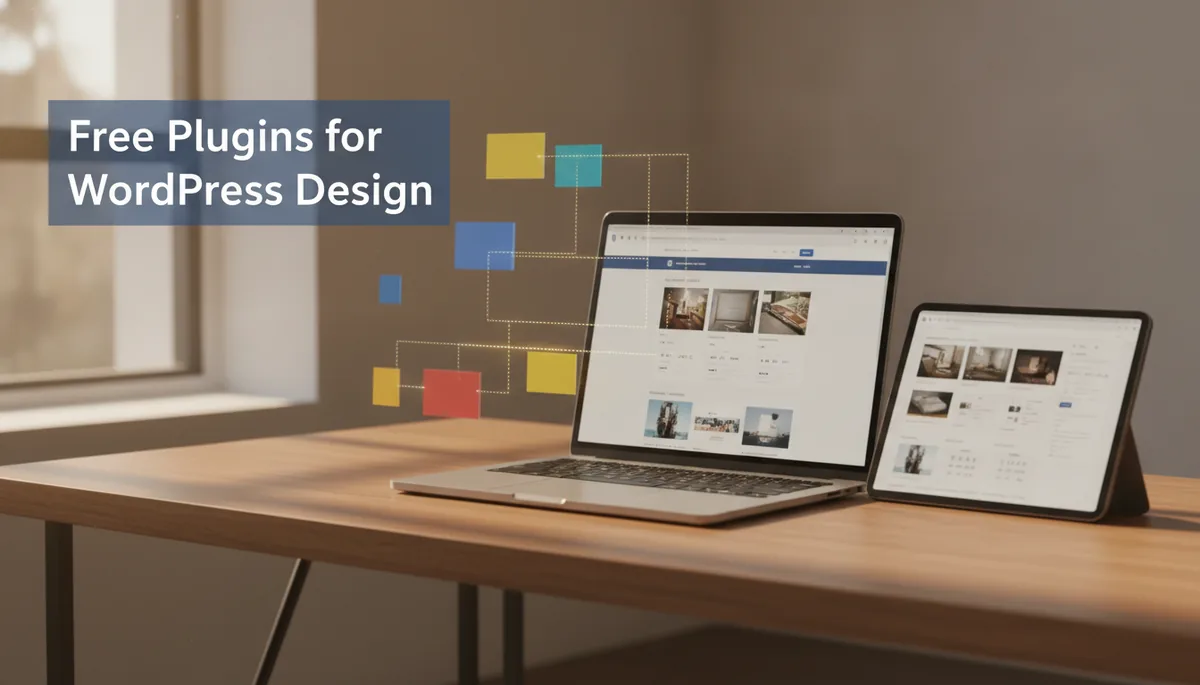
Design choices are conversion levers masquerading as aesthetics. Typography, spacing, CTA placement, and visual hierarchy guide readers to subscribe, click an affiliate link, or buy a product. Premium themes usually offer granular control—typography systems, global styles, header and footer builders, and conversion-focused widgets (forms, timers, price tables). Free themes often leave these elements to plugins and manual styling, which fragments your UX and testing capability.
Small details—font size around 16px, readable line-height, contrasting CTA colors—make a measurable difference. Premium themes let you lock those parameters centrally so contributors can’t accidentally wreck a landing page with 9px body text (yes, I’ve seen that). Built-in conversion elements reduce the need to stitch multiple plugins together; when the form, popup, and hero section are from the same framework, they behave consistently and are simpler to A/B test.
Conversion optimization is an experiment-driven discipline. Use templates for different intents—content-to-email, review roundup, product landing—and iterate. A premium theme’s pre-built templates can halve the time it takes to set up a test. In practice, that means faster wins and a shorter path from launch to measurable revenue. Or as I like to tell clients: it’s easier to test a bright button than to guess why nobody’s clicking your grey ‘maybe’ button.
Content strategy alignment and template planning
Your theme should be a content machine, not a styling puzzle. The best premium themes come with templates mapped to common content strategies—pillar posts, category hubs, author pages, and landing pages—so your editorial calendar turns into published assets, not a series of layout experiments. When templates align with your core pillars, internal linking is faster and more purposeful; search engines and readers get a clearer signal about site structure.
Practical template examples that matter: a long-form pillar template with in-article table of contents and highlighted subsections; a listicle template optimized for affiliate links; a review template with structured data blocks for pros/cons and score. Pre-built author and tag hubs speed up publication and SEO because you’re not creating ad-hoc landing pages from scratch.
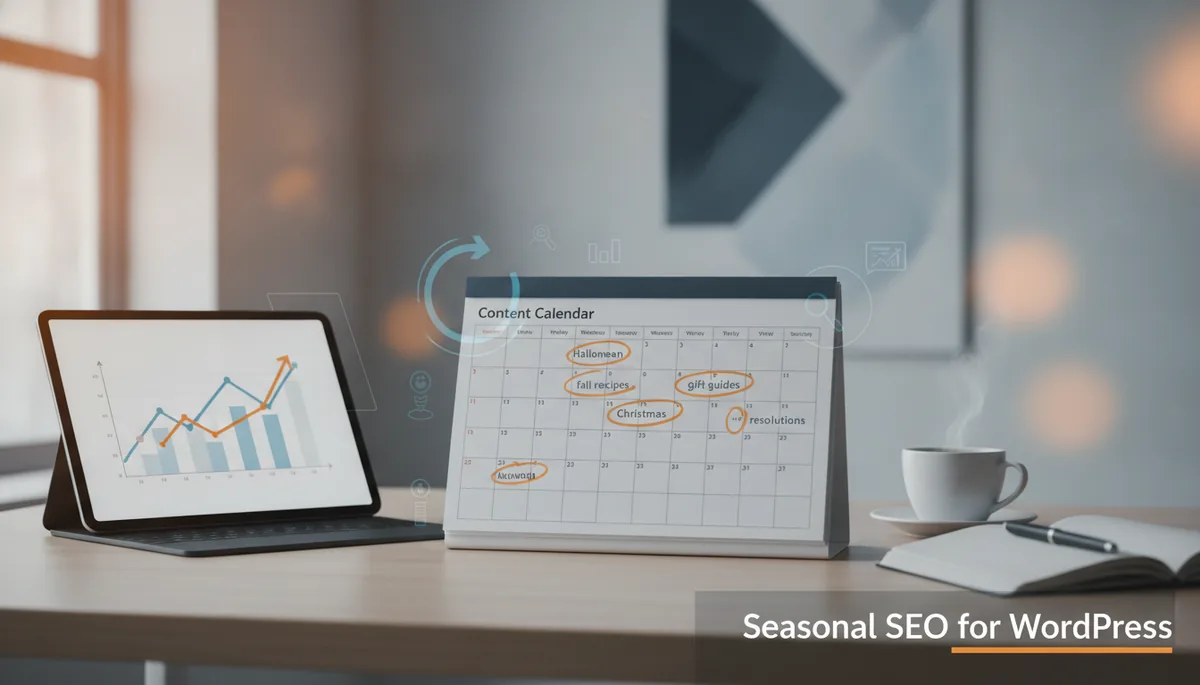
Connect this with a content calendar: block a month for pillar development, two weeks for promotional landing pages, weekly for listicles. A theme that supports reusable components (callouts, boxed offers, review widgets) reduces editorial friction. I once migrated a site to a premium theme and cut publish time in half—suddenly my writers spent more time writing and less time formatting. That may not sound glamorous, but in a blog, time-to-publish is money. Templates that reflect your traffic and monetization goals turn design into a productivity tool, not an obstacle course.
How to select the right theme for your blog
Before you buy, write a short brief: niche, traffic goals, primary monetization (ads, affiliates, products, subscriptions), and technical comfort. These simple points narrow choices faster than endless demo scrolling. If you plan to scale with ads and affiliates, prioritize speed and clean content templates; if you’re selling courses, prioritize WooCommerce or LMS compatibility.
Concrete criteria to evaluate:
- Load time: test demos with real content and PageSpeed Insights or Lighthouse.
- Responsive design: inspect mobile layouts and interactive elements on your phone.
- Accessibility basics: color contrast, keyboard navigation, ARIA landmarks.
- Plugin compatibility: SEO, caching, analytics, and commerce plugins.
- Update cadence and support terms: how often does the developer release patches?
- License terms: single-site vs multi-site, lifetime vs annual renewal.
Test in a staging environment. Clone your content or at least a representative sample, install the theme, and run a TTFB, LCP, and CLS check. If the theme claims performance optimizations, verify them under real conditions—not just the demo screenshot. Think of this like test-driving a car with your luggage in the trunk: specs are helpful, but real-world performance shows what you’ll actually live with.
Actionable ROI optimization playbook
Here’s a practical, step-by-step playbook I use when deciding whether to upgrade to a premium theme or wrangle a free one into shape:
- Audit: Inventory theme, plugins, custom code, media sizes. Run Lighthouse, PageSpeed Insights, or GTmetrix. Note biggest offenders.
- Baseline: Capture current traffic, conversion rates, and revenue so you can measure impact.
- Quick fixes: Optimize images (WebP), enable lazy-loading, remove unused plugins, defer non-critical JS, and enable caching (WP Rocket, or your host’s cache).
- Decide: Estimate incremental revenue improvement from faster pages and better templates. Compare to theme cost and support fees. If payback period is under 6–12 months, premium often wins.
- Implement: If you buy a premium theme, do it on staging. Migrate templates, test forms, and user flows. If staying with free, lock down a consistent set of plugins and document process steps to avoid future drift.
- Optimize: Add CTAs, test subscription placements, and A/B test headlines/layouts. Use analytics to measure impact.
- Scale content: Batch-create SEO-optimized posts using tools like Trafficontent to speed content production and maintain quality.
Quick checklist:
- Snapshot current performance metrics.
- Confirm theme demo on mobile and desktop.
- Verify plugin compatibility and update cadence.
- Estimate payback timeline (months to recoup theme cost).
- Run changes in staging and monitor for regressions.
Think of this as a 30–90 day experiment. If a premium theme shaves load time, smooths UX, and reduces editing time, you’ll see the ROI in traffic retention and higher conversions. And if it doesn’t? Roll back and try another approach. In my experience, betting on reduced friction—both for readers and editors—pays dividends faster than chasing a free theme’s occasional sparkle.
Next step: run a quick theme ROI test. Pick one critical KPI (newsletter signups, affiliate clicks, ad RPM), measure baseline for two weeks, install a candidate theme in staging, test for one week, and compare. Real data beats opinion every time.