Holidays compress months of customer intent into a few intense weeks. That makes planning and execution the difference between a messy sprint and a predictable win. For busy Shopify merchants and agencies, the answer isn’t more late nights — it’s automation that thinks like a marketer: schedules the right content, targets the right keywords, and keeps every channel synchronized without a developer in sight. ⏱️ 10-min read
This post walks through a practical, no-code workflow using Trafficontent to plan seasonal goals, connect Shopify, create reusable templates, use AI-powered keyword research, and automate multi-channel publishing. You’ll get concrete steps, examples, and measurement ideas so your holiday calendar becomes a machine that consistently drives traffic and conversions.
Plan seasonal goals and success metrics for Shopify campaigns
Start by treating each holiday window as a mini-project with distinct, SMART goals. Instead of vague wishes like “sell more,” define metrics such as sessions, conversion rate, average order value (AOV), and ROAS with realistic targets and deadlines. For example: aim for a 15% lift in holiday revenue, a 20% increase in site sessions, and a conversion rate rise from 2.8% to 3.4% during Black Friday week. Anchoring targets in last season’s baseline makes them achievable — if your previous Black Friday conversion was 2.8% and AOV was $95, those numbers should guide your forecast.
Keep your metric set intentionally small and action-oriented: conversion rate, AOV, CAC, and ROAS generally tell the story you need. Build a weekly review cadence into the plan: a quick dashboard check every Monday to confirm traffic, add-to-cart rate, and inventory alignment. Add operational cut-offs — the last day to enable expedited shipping, or the date you stop stacking promotions — and map those to your calendar so content triggers respect stock and fulfillment realities.
A no-code automation layer like Trafficontent’s Blog Automation for Shopify can tie content production and publishing to those KPI windows. Use automation to schedule blog posts promoting specific bundles when inventory thresholds are met, or to trigger social posts the moment a flash-sale flag flips. Planning goals and mapping content assets to KPI targets upfront prevents ad-hoc messaging and preserves margin during high-pressure days.
Connect Shopify to Trafficontent and enable no-code automation
Connecting Shopify to a no-code platform is mostly administrative — but a clean setup saves hours later. Begin in Shopify admin: if you don’t have developer access, ask your store owner to create a private or custom app (depending on Shopify plan) and grant permissions for products, blogs, collections, and customers. Generate the API key / hosted access token or long-lived access token if using OAuth. Don’t skip permissions for publishing if you want the automation tool to auto-publish content.
In Trafficontent, add Shopify as a connected service and authenticate with the token or OAuth flow. Once authenticated, run a quick test to confirm the tool can read and write product titles, descriptions, images, blog posts, and collections. Mapping fields is the next step: align Shopify product fields (title, description, price, images, tags) to Trafficontent’s content schema and map blog fields (title, excerpt, content, featured image). This mapping tells the no-code engine where to insert AI-generated content or which parts of a template to populate.
After mapping, configure triggers and publishing rules. Typical rules include auto-publish when content is approved, keep drafts until campaign launch, or publish product description updates on a scheduled cadence. Decide a data cadence — hourly is useful for inventory-driven guides, daily is fine for blog scheduling — and test by creating a draft post or product update. Verify the content appears correctly on the storefront and in preview modes before you go live. Once you’ve tested, you can reliably connect content production to your holiday calendar without further developer support.
Create seasonal content templates for Shopify and WordPress assets
Templates are the secret to scaling consistent, on-brand content across dozens or hundreds of SKUs. Design modular templates for product descriptions, collection pages, and blog posts that include clear slots for holiday hooks, USPs, CTAs, and SEO elements. For schema-markup-on-wordpress-product-pages-for-rich-snippets/" rel="nofollow noopener noreferrer">product pages, break templates into: short hero copy (1–2 lines), feature bullets, a narrative paragraph that answers “why buy this now,” and a shipping/returns note tuned for holiday deadlines.
On the blog side — whether you use Shopify’s native blog or WordPress driven by Trafficontent’s WordPress Blog Automation — create repeatable post templates like “Gift Guide,” “How-to,” or “Roundup.” Each template should include a headline formula, H2 structure, meta description slot, and recommended internal links to priority collections. This ensures the blog supports product pages with consistent messaging and deliberate keyword coverage.
Populate templates with dynamic fields so content can adapt to inventory and campaign specifics. For instance, a “Holiday Gift Guide” template can auto-fill with top-selling products from a collection, show the remaining stock count, and insert time-sensitive CTAs. This modular approach cuts content creation time dramatically: instead of writing 50 unique descriptions, you approve a handful of templates and let the automation populate variations for every SKU.
Leverage AI-driven keyword research for ecommerce campaigns
Keyword strategy for holidays is about timing and specificity. AI-driven keyword tools surface rising queries and long-tail gift intents that you can target before competitors catch on. Use AI to spot phrases like “gift for minimalist mom under $50” or “eco-friendly stocking stuffers” and map them to product pages, collection titles, and blog topics. These long-tail, buyer-intent queries convert well because they match narrow search intent.
A practical approach: run an AI-generated keyword scan for each campaign two months before the holiday, then again three weeks in and one week out. The first pass gives you core themes; later passes capture emergent searches. Feed those keyword clusters into your template system — meta titles, H1s, H2s, and image alt tags — so every asset is tuned. Use Trafficontent to automate keyword suggestions into content outlines, then review and approve the highest-potential variants.
Competitor gap analysis is another place AI shines. Let the tool compare top rival pages and identify missing intents in your catalog. If competitors rank for “personalized travel gifts” and you don’t, create a targeted collection page with a template that highlights personalization options and swaps in relevant long-tail phrases. Finally, map keywords to KPIs and content types: assign high-search, high-commercial intent keywords to product and collection pages; reserve longer, problem-solving phrases for blog posts that feed internal links back to product pages.
Multi-channel scheduling and automation workflow
Consistency across email, social, and blog channels amplifies each piece of content. Start with a master calendar that marks promo windows, audience segments, and channel-specific cadences. For a week-long holiday sale, plan a teaser email 72 hours before, a launch email on day one, daily social posts during the sale, and a follow-up blog post that wraps highlights and post-sale recommendations. Keeping the core message constant prevents mixed signals and strengthens conversions.
Use Trafficontent’s scheduling features — for example, Smart Scheduler and multipost options — to publish simultaneously across channels with channel-specific tweaks. A single content item can spawn a blog post, an Instagram-ready caption with resized images, and an email snippet. Automation rules can enforce publishing windows, handle time-zone differences, and ensure content only goes live when your campaign flag is active.
When setting up the workflow, define small but crucial details: image aspect ratios for social, subject-line variations for segmented email lists, and whether product page updates should be live immediately or staged as drafts. Also link automation rules to audience segments — VIPs might get early-access emails, while new visitors receive broad-interest social ads. With those rules in place, you maintain a tight, omnichannel presence without copy-pasting or manual scheduling on each platform.
Seasonal content calendar and trigger-based publishing
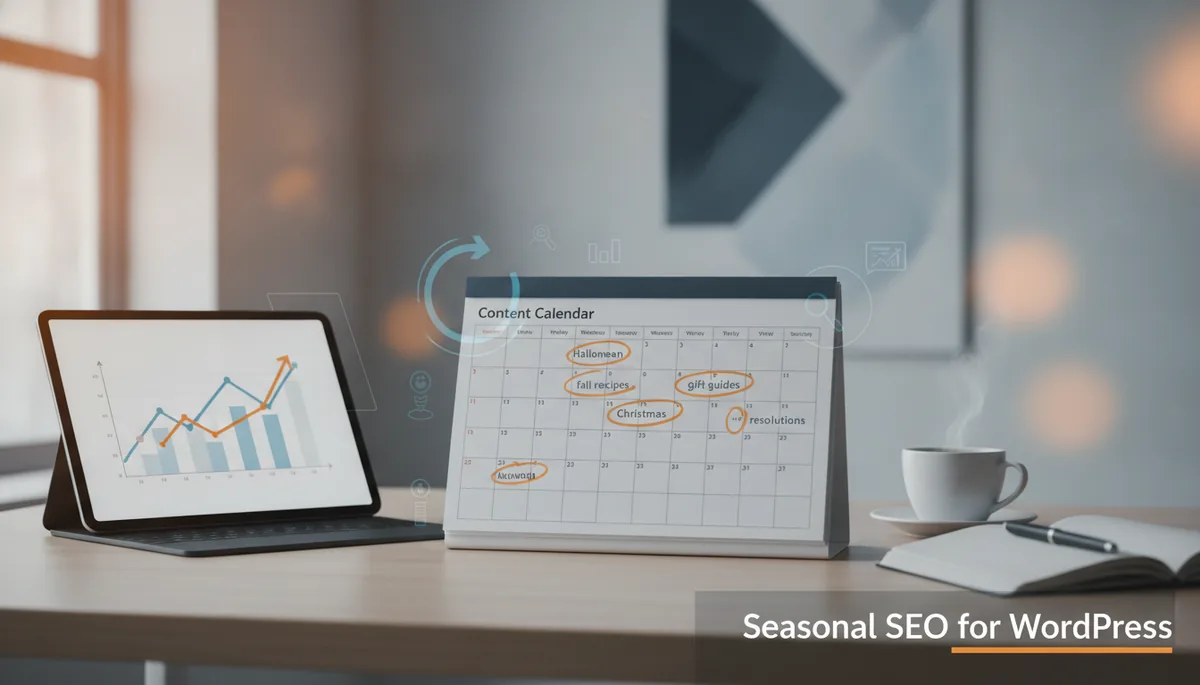
Create a content calendar organized around trigger events: pre-sale teasers, launch, mid-sale “best-sellers” updates, and post-holiday follow-ups. Triggers can be calendar-driven (e.g., publish on Black Friday 00:00 local time), inventory-driven (e.g., when a product drops below 20 units, swap it out of the gift guide), or behavior-driven (e.g., user viewed gifts but didn’t purchase). Building templates that respond to these triggers makes it easy to produce time-sensitive content at scale.
Practical setup: define a set of campaign triggers in Trafficontent — CampaignStart, InventoryLow, PriceChange, and CartAbandon — and map them to automated actions. CampaignStart triggers staged blog posts, launches hero banners across product pages, and queues segmented emails. InventoryLow refreshes gift guides and pushes alternative recommendations into abandoned cart emails. PriceChange can publish social updates and adjust promotional badges on product cards.
Prepare content assets ahead of time and store them as drafts in your calendar. Templates auto-fill product lists and meta tags close to launch, reducing last-minute edits. This pre-stage-and-trigger approach also protects margins: if stock is low, you can automatically stop promoting an item to avoid oversell. The result is a content cadence that feels current and responsive without adding manual steps during peak season.
Shopify product page optimization for holiday SEO
Holiday SEO is a tactical blend of timely keywords and conversion-focused content. Start with title tags and H1s that include your primary holiday keywords and a strong value proposition: “Eco-Friendly Gifts for Dad — Fast Holiday Shipping.” Keep titles concise for SERP display, and craft meta descriptions that emphasize urgency and benefits: limited stock, free gift wrap, or guaranteed delivery date.
Rewrite product descriptions with intent-driven language. Open with a one-sentence hook that answers the buyer’s question (“Perfect stocking stuffer for tech lovers”), then use short feature bullets and a paragraph that explains how the product solves a holiday problem. Add schema markup for product, offers, and reviews to help snippets show price and ratings in search results — small visual boosts like review stars can significantly increase CTR during competitive holiday searches.
Don’t forget internal linking and review signals. Link holiday blog posts and gift guides to priority product pages using clear anchor text that matches keyword targets. Highlight recent reviews or create a holiday-specific review snippet that pushes social proof higher on the page. Finally, optimize images with descriptive alt text that contains long-tail holiday modifiers (e.g., “handmade candle holiday gift set”) and ensure image sizes are compressed so pages load quickly during traffic spikes.
Measurement and iteration for automated campaigns
Automation doesn’t replace measurement — it amplifies it. Set up a dashboard that tracks your chosen KPIs (sessions, conversion rate, AOV, CAC, and ROAS) and slices them by campaign, channel, and audience segment. Review daily during peak windows and weekly otherwise. The goal is to spot what’s working rapidly and reassign content or budget accordingly.
Use A/B testing on critical elements: subject lines for email, hero images on landing pages, and CTA copy on product pages. No-code platforms make it easy to run parallel variants and let the system route traffic automatically. If a product-focused subject line outperforms a generic “Holiday Sale” line by 15% in opens, push that copy across similar segments and related automation templates.
After the season, conduct a teardown: which templates delivered the most conversions? Which keyword clusters produced early wins? Document these learnings and bake them into your template library for the next holiday. Automation speeds execution, but the compounding advantage comes from iterating on data: tune your AI keyword prompts, refine templates with top-performing copyblocks, and adjust triggers to be more or less aggressive next year.
Next step: Export last season’s top-performing pages and keywords, create two holiday templates (product and blog) in Trafficontent, and schedule a test campaign that runs a simple pre-sale teaser and launch sequence — measure the results and expand from there.