If you're a WordPress blogger or run a small site, you've probably felt that SEO advice reads like a recipe from a conspiracy club — equal parts cryptic and hopeful. I’ve built and rescued a few dozen WordPress sites, and the pattern is the same: a handful of technical fixes + smarter content planning yields most of the gains. This playbook walks you through a realistic, low-cost path to better rankings: infrastructure, keyword strategy, architecture, on-page templates, technical performance, content planning, the right tools, and measurement. ⏱️ 11-min read
No fluff, no SEO magic beans — just step-by-step tactics you can plug into your site this afternoon and iterate on over months to build durable organic traffic. Think of this as the toolkit I’d hand to a friend over coffee: honest, slightly opinionated, and built for results.
Set up WordPress for SEO success
SEO begins before you write a word. A fast, crawlable, and secure WordPress site is the foundation — otherwise your best content will sit unread like a brilliant book locked in a basement. Start with hosting: choose a host optimized for WordPress (managed hosts like Kinsta, WP Engine, or reputable shared hosts with good PHP/MySQL versions). I’ve seen migration to a solid host cut page load by 40–60% and lift organic sessions within weeks. Yes, moving hosts is annoying — like changing apartments — but sometimes the oven actually works in the new place.
Next, make your site indexable. Configure permalinks to a clean structure (/%postname%/ for blogs unless you have a strong reason not to), create an XML sitemap, and ensure your robots.txt doesn’t accidentally block important sections. Most SEO plugins auto-generate sitemaps and let you set index/noindex rules, but double-check by submitting the sitemap to Google Search Console. If you want the Google doc, here’s the developers’ guide to sitemaps.
Make caching and a CDN a default setup. Use a caching plugin (WP Rocket, W3 Total Cache, or the host’s built-in caching) and pair with a CDN (Cloudflare, Bunny, or your host’s CDN). Combined, these reduce server response times and improve global load speed — one site I work on saw Time to First Byte drop by half after enabling edge caching. Finally, secure the site with HTTPS, keep WordPress and plugins updated, and lock down weak credentials. A hacked site kills rankings fast — and if you think "it won't happen to me," that’s exactly what the hacker wants you to think.
Keyword research that fuels growth
Keywords are not a scoreboard; they’re a map of what your readers actually want. The core principle I follow: determine user intent first. Are people looking for "how to fix a slow site" (informational), trying to reach a specific product or brand (navigational), or ready to buy (transactional)? Match content format to intent: write tutorials and explainer guides for informational queries, concise landing/product pages for transactional queries, and clear navigational pages when searchers intend to reach a known destination. When intent matches content, bounce rates drop and rankings improve — Google rewards relevancy like a gold star for manners.
Prioritize long-tail keywords: three-to-four word phrases, question-based searches, and local modifiers if relevant. Long-tail terms are lower competition and higher conversion. For example, instead of chasing "running shoes," target "best running shoes for sore ankles" — it's narrower, easier to rank for, and your readers will love you for solving their specific problem. Use autosuggest, People Also Ask, and the Related Searches box to expand these phrases into a cluster of content ideas.
Competitive analysis is a practical shortcut. Identify top-ranking pages for your target topics and note what they miss: word count gaps, missing examples, outdated stats, or weak visuals. Those gaps are your content opportunities. Build a prioritized keyword list mapped to content types (pillar, how-to, comparison, product page) and rank them by opportunity (search volume vs. difficulty vs. alignment with your niche). That list becomes your editorial roadmap — not a wish list, but a prioritized plan.
Site architecture and internal linking
Think of your site as a map, not a maze. A shallow hierarchy with clear silos helps both readers and search engines understand what you cover. Keep top-level categories to three to five core topics and limit depth to two or three levels at most. For example: Home > SEO Basics > On-Page SEO > Internal Linking — simple, predictable, and crawl-friendly. I once inherited a site with 12 top-level categories and found many orphaned posts; after consolidating into three pillars, organic traffic stabilized and grew as link equity flowed more sensibly.
Build pillar pages (your long-form hubs) that link out to cluster posts. The pillar establishes topical authority and the clusters dive into subtopics. That internal linking pattern signals to crawlers that your pillar is authoritative on that subject, and it keeps readers exploring your site instead of bouncing. Use descriptive anchor text, not "click here" — anchors like "WordPress SEO plugins you should know" both guide users and tell search engines what the target page is about. Resist stuffing links; each internal link should provide a real next step for the reader.
Make strategic links between related posts, category pages, and your pillar pages. A practical rule: include at least two internal links to relevant cluster pages within new posts, and ensure your pillar page links to every cluster post. Track internal link distribution: pages with few incoming internal links are opportunities. Use breadcrumbs for navigation and schema to help search engines understand hierarchy. Like any good friend, your site should introduce visitors to interesting people (pages) instead of staring at them awkwardly and handing them a business card.
On-page optimization templates and post formats
Consistency scales. Create on-page templates for title tags, meta descriptions, headers, and basic schema so every post sends clear signals to search engines and looks irresistible in the SERPs. I maintain a simple template: Title ≈ 55–60 characters with the primary keyword toward the front, Meta description ≈ 120–160 characters with a benefit and CTA, and H1 matching the title. These limits aren’t church laws, but staying within them avoids truncation and maximizes click-through rate. Think of your title and meta like a movie trailer — if it doesn’t hook, nobody watches the feature.
Use a structured header hierarchy: one H1, multiple H2s to outline the main sections, and H3s for subsections. This is not just neatness; it’s the table of contents crawlers and readers both love. Break content into scannable chunks with bullet lists, images with captions, and short paragraphs. I like to start each post with a quick TL;DR box (50–70 words) that tells impatient readers exactly what they’ll learn — this improves dwell time and reduces pogo-sticking.
Standardize schema for common page types: Article, FAQ, HowTo, and Product where relevant. Schema is the shorthand that helps search engines understand context and powers rich results. For example, adding FAQ schema to a how-to post can put your answers in the People Also Ask panel (and yes, that click-through bump matters). Tools like Yoast and Rank Math can add basic JSON-LD automatically, or you can craft minimal schema blocks for high-value pages. Templates speed writing and keep your site sounding like it was edited by the same human — even if you’re juggling three cats and a freelance schedule.
Technical performance and accessibility
Performance is not optional. Core Web Vitals are Google’s way of grading how humans actually experience your pages: Largest Contentful Paint (LCP) — aim for under 2.5s; Interaction to Next Paint (INP) — be snappy; Cumulative Layout Shift (CLS) — keep things from jumping around like a caffeinated frog. Audit these metrics with PageSpeed Insights and Lighthouse, and track them in Search Console’s Core Web Vitals report. Fixing LCP often yields the most immediate SEO and UX improvement — one site reduced LCP by replacing an oversized hero image and saw a 15% session-duration increase.
Images cause more trouble than they deserve. Optimize by serving next-gen formats (WebP or AVIF where supported), resizing images to the display size, and using lossless or smart lossy compression (ShortPixel, Imagify, or built-in host tools). Implement lazy loading for below-the-fold images and use srcset to provide multiple resolutions. For responsive themes, ensure the hero image loads at an appropriate size for mobile — nothing kills patience like loading a 2MB desktop image on a phone.
Accessibility matters for users and search engines. Use semantic HTML, descriptive alt text for images, and logical tab order. Ensure color contrast is sufficient and headings follow a hierarchy. Accessibility improvements often double as SEO wins: cleaner markup, readable headings, and better structured content make it easier for crawlers to parse your content. Remember: a site that’s accessible is usable — and a usable site converts.
Content strategy: pillar posts, clusters, and calendar
Content strategy is where the wins compound. I recommend a pillar-and-cluster model: start with 3–5 pillar pages that define your core topics, and plan 6–10 cluster posts per pillar. A pillar page is your long-form anchor (2,000+ words) that links to each cluster piece. This strategy builds topical authority over time and gives you predictable internal linking patterns. One practical example: a blogger in the running niche created a "Complete Guide to Running for Beginners" pillar and 12 clusters (shoes, training plans, injury prevention). Within six months, organic traffic to the pillar climbed 80% because search engines saw a cohesive topical network.
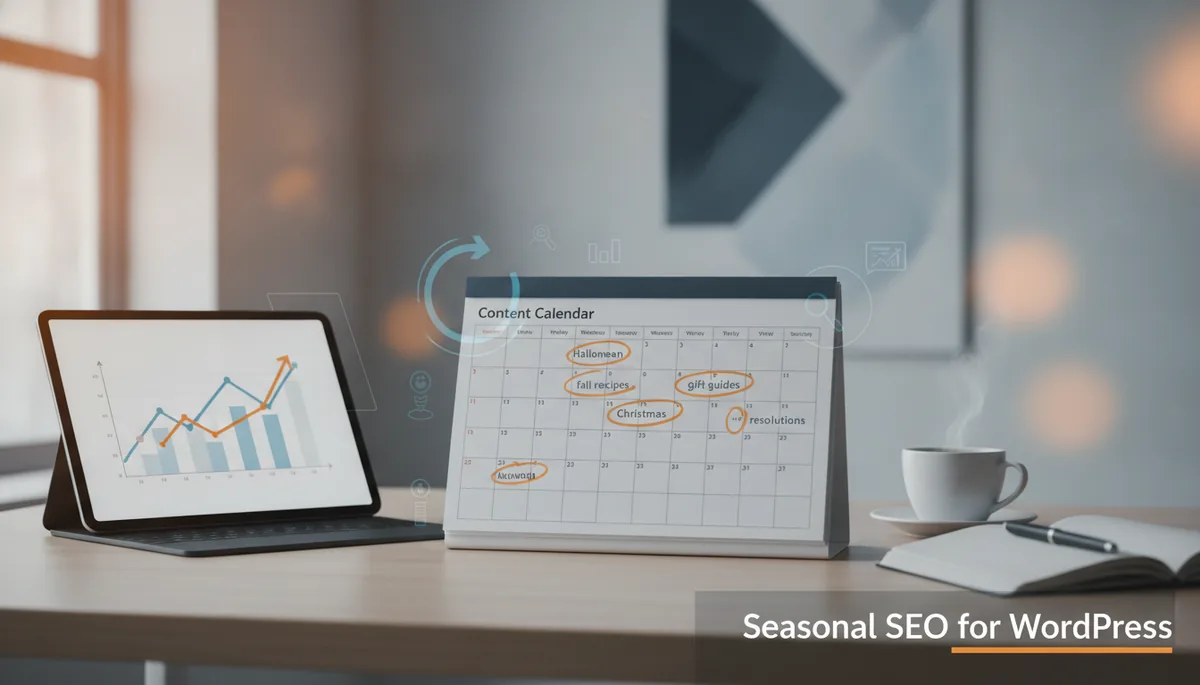
Balance evergreen content with timely posts. Evergreen content keeps delivering value; timely content (data reports, trend pieces) can bring spikes and backlinks. Use an editorial calendar to schedule a mix: two evergreen clusters per month, one timely or news-related post, and monthly pillar reviews or updates. Treat each pillar as a living document — update statistics, add new examples, and refresh internal links quarterly. I keep a Trello board for planning and a shared spreadsheet that maps keywords to draft dates and internal linking targets.
Repurpose strategically. Turn a long guide into multiple formats: an email series, a series of short videos, checklist PDFs, and social carousels. Repurposing extends reach without reinventing the wheel and provides varied entry points for different search intents. Track which formats drive best engagement and double down. The goal is sustained growth: slow, steady publication of useful, linked content beats the caffeine-fueled sprint that burns out after a month.
Plugins, themes, and tools to accelerate growth
Less is more when it comes to plugins. Each plugin adds potential conflicts and performance cost, so choose a lean stack that covers core needs. For SEO, Yoast and Rank Math are the staples — both generate XML sitemaps, let you craft meta tags, and provide schema basics. Rank Math is quicker for advanced features out of the box; Yoast gives very practical readability nudges. Either will do the heavy lifting. If you want to explore Yoast further, here's their site for setup guidance.
For speed: WP Rocket (paid) is a one-and-done caching/performance plugin many developers love; Autoptimize is a lighter free option for minifying assets. Image optimization via ShortPixel, Imagify, or Smush can shrink images massively with minimal quality loss. Add a CDN like Cloudflare for free edge caching and security. Remember to test after adding plugins — sometimes two caching solutions fight like siblings over toys. Disable or remove unused plugins and prefer code snippets in your child theme for tiny tweaks.
Tools for research and workflows: Ahrefs or SEMrush for keyword and backlink intelligence (they’re the heavy hitters), Ubersuggest or AnswerThePublic for quick idea generation, and Google Search Console/GA4 for performance tracking. If you want automation for content workflows, consider platforms like Trafficontent to generate outlines and scale drafts — useful for small teams lacking in-house writers. But automation is a helper, not a replacement; human editing ensures originality and quality. In short: pick tools that solve real bottlenecks, not shiny features you’ll rarely use.
Measurement, testing, and iteration
What gets measured gets improved. Define a small set of KPIs and track them consistently: organic sessions, top keyword rankings, average CTR from Search Console, and user engagement metrics (dwell time, pages/session). Set realistic monthly and quarterly targets; for a small blog, a 10–20% lift in organic sessions per quarter is ambitious but achievable with focused effort. Use GA4 and Search Console to build simple dashboards that show trends — don’t get lost in vanity metrics like raw pageviews without context.
Run A/B or multivariate tests on high-impact elements: title tags, meta descriptions, and key CTAs on cornerstone pages. These tests are cheap wins — I once increased organic CTR by 12% on a pillar page by rewriting the meta to emphasize a unique benefit and adding a year reference (e.g., “Updated 2025”). Monthly audits should include a crawl with a tool like Screaming Frog or an online crawler to spot broken links, missing meta tags, and orphaned pages. Fixing 10 small issues each month compounds into meaningful gains over a year.
Iterate on content that’s already ranking. Identify pages ranking on page 2 or barely inside page 1 and update them: add examples, improve structure, add internal links from related pillars, and refresh stats. These “spot optimizations” often move pages up faster than creating brand-new content. Finally, monitor backlinks: disavow toxic links if necessary and actively pursue quality links via guest posts, tools, and relationship building. The objective is a continuous loop: measure, hypothesize, test, and repeat.
Next step: pick one pillar topic, run a quick keyword cluster for it, and publish or update one strong cluster post this month. Small consistent actions beat occasional grand gestures — SEO is a marathon, not a fireworks show. For Core Web Vitals guidance, start here: Google Web Vitals.