Before you paste the first sentence into the block editor, let’s get one thing straight: great content doesn’t happen by accident. It’s planned, structured, and dressed for the search engines while still being irresistible to humans. I’ve helped hobby bloggers and small business owners turn scattered drafts into disciplined posts that climb search results and actually keep readers around — without a PhD in SEO or endless ad spend. ⏱️ 10-min read
Below is a simple, repeatable blueprint you can use for every WordPress post: from deciding what the post should accomplish, to crafting titles that get clicks, to the technical setup that makes Google smile. Think of it like a recipe: follow the steps, adjust for taste, and you’ll stop serving bland content nobody finishes. Yes, even your aunt’s DIY craft blog can get traction — I’ve seen it happen.
Define Clear SEO and Reader Intent
Start with intent like it’s the plot of a mystery novel — who did it, why, and what will readers want at the end? In plain terms: decide whether this post is informational, navigational, or transactional. That single decision shapes everything: the tone, the depth, the CTA, and which keywords you chase. If someone types "how to set up a compost bin," they want step-by-step help, not a sales pitch for compost tumblers. Give them what they actually searched for.
I always begin with quick keyword research — five minutes with the Keyword Planner or a free tool reveals searcher language and related questions. Capture the primary keyword and 6–10 related phrases (synonyms, long tails, and question forms). These become your content map: where to use the keyword naturally in the intro, headers, and meta, and which subtopics deserve their own H2s.
Also map reader pain points and expected outcomes. Ask: what problem does this solve? What will the reader be able to do after reading? Answering this up front keeps you from wandering into fluff like a raccoon in a backyard picnic. For reference on search intent basics, check Google’s guidance on understanding search intents at Google Search Central.
Architect Your Post for SEO: Titles, Slugs, Headers, and Meta
Your headline is both billboard and invitation. Make it clear, clickable, and matched to intent. Use the primary keyword early (but naturally). A good headline promises a benefit ("How to Set Up a Compost Bin in 30 Minutes") rather than vague virtue-signaling ("Compost Bins and You"). If click-through rate (CTR) is your problem, tweak the headline, not the entire post.
The URL slug should be short and descriptive: drop filler words and keep the keyword. Think ultimate-sourdough-no-starter, not /?p=12345 or an entire paragraph. Clean slugs help search engines and humans decide whether your page is relevant before they click.
Headers (H2–H3) are your post’s frame. Plan them before writing so your post reads like a guided tour rather than a treasure hunt. Use H2s for main sections that match searcher expectations and H3s for steps or sub-points. Place the keyword in at least one subhead, but don’t force it — readability beats keyword stuffing every time.
Finally, craft a compelling meta description and meta title that sell the click. Keep titles near 60 characters and descriptions near 155 characters to avoid truncation. Use your SEO plugin (Yoast or Rank Math) to preview results in the SERP. Your meta isn’t a secret — it’s a tiny sales pitch visible before anyone reads the post.
Structure for Readability: Scannable Intro, Subheads, and Short Paragraphs
Readers scan. Fact. So write for skimmers and serious readers alike. Open with a 1–2 sentence hook that promises a clear, testable outcome. I like lines such as: “This post gives a simple layout that improves scroll depth and gets readers to the CTA in under five minutes.” Concrete benefit, quick payoff — no mystery box wonders here.
Make subheads work as road signs. Each H2 should tell the reader what’s next and include relevant keywords when it fits. Keep subheads short (three to six words) and consistent in tone so the post reads like a guided walk, not an obstacle course. Paragraphs should be 2–4 sentences. That’s not a law — it’s common sense for people who don’t want their eyes to swim.
Use lists, bolding, and inline cues (Note, Pro tip) to highlight steps and key takeaways. Bulleted or numbered lists are especially useful for processes and checklists. And unless you enjoy crafting novels disguised as blog posts, break long ideas into multiple paragraphs.
Visuals help: screenshots, annotated images, and simple diagrams increase comprehension and time on page. Optimize them (see the performance section) so they don’t slow your site. Remember: scannability is not dumbing down — it’s serving clarity like a polite barista handing you the right coffee without the soapbox monologue.
Content Planning and Templates: Editorial Calendars and Post Templates
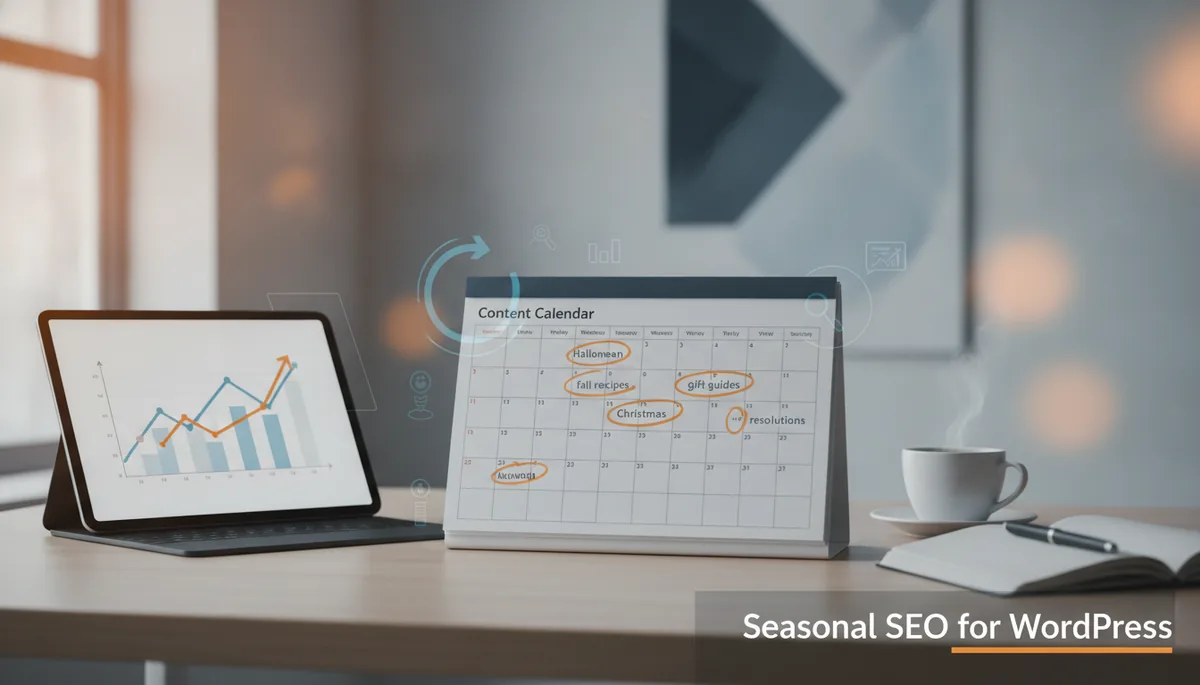
Consistency wins. If you post sporadically you’ll swing between “glorious viral hit” fantasies and the cold reality of crickets. An editorial calendar is your friend; Trello, Asana, or even a simple Google Sheet work fine. Block topics, assign deadlines, and hold yourself accountable. I recommend a backlog with keyword ideas, suggested headlines, and quick notes on intent.
Create a reusable post template to speed writing and ensure consistency. A typical template includes: working headline, SEO target, intro (outcome-focused), section H2s (with brief bullets of what each will cover), image prompts, CTAs, and metadata placeholders. Templates save time and reduce last-minute SEO fumbles.
Plan clusters of related posts around pillar pages. A pillar explains the core topic and links to more detailed posts; the cluster posts link back to the pillar. This builds topical authority and makes internal linking obvious. When I helped a small gardening blog, converting random how-tos into clusters increased cohesive traffic because search engines started understanding the site’s structure.
If you use tools like Trafficontent, you can automate drafting, scheduling, and distribution from a single workflow — handy if you want to scale without hiring a marketing air traffic controller. The goal here: predictable output without sacrificing quality.
WordPress Setup for Speed and SEO: Themes, Plugins, and Performance
Think of your WordPress theme like your car’s engine: it should be efficient, reliable, and not packed with pointless chrome. Choose a lightweight theme like Astra or GeneratePress — they’re quick, flexible, and don’t add bloat the way some flashy multipurpose themes do. Your visitors will thank you with faster clicks and fewer rage-quit sessions.
Plugins are essential but can be a party-crasher when overused. Limit yourself to must-haves: a single SEO plugin (Yoast SEO or Rank Math), a caching plugin, an image-optimization plugin, and a security plugin. More plugins = more background weight = slower pages. Install one good SEO plugin and configure sitemaps, schema, and breadcrumbs to help search engines understand your content.
Performance tips that actually matter: enable caching, use a CDN if possible, lazy-load images, and serve optimized image formats (WebP where supported). Compress files and avoid embedding heavy third-party widgets that slow the page. Mobile responsiveness is non-negotiable — Google uses mobile-first indexing, so your site must work great on phones.
Run periodic speed tests (WebPageTest, GTmetrix, or Google PageSpeed Insights) and act on the top issues. Small changes — compressing an image or enabling server-side caching — can cut load times dramatically. A fast site isn’t just for vanity; it directly affects rankings and conversions. For WordPress best practices and optimization tips, see the WordPress documentation at WordPress.org.
Internal and External Linking Strategy
Linking is like arranging books in a library: if related books are grouped and labeled, people (and search engines) find more of your content and trust your site more. Plan internal links from new posts to relevant older content and to pillar pages. Use descriptive anchor text that tells both users and search crawlers what the link is about — avoid “click here” unless you enjoy cryptic navigation.
Don’t over-link. Too many links in a short article reads like someone trying to impress their web developer. Aim for a logical hierarchy: link from supporting posts up to pillars, from evergreen pages to topical updates, and occasionally cross-link between related posts. I usually add 3–6 internal links per post, depending on length and relevancy.
External links should go to trustworthy, high-authority sources — studies, official pages, or recognized industry guides. These increase the perceived credibility of your article. But avoid handing readers off to competitors unnecessarily. When you do link out, do it to add context or evidence, not as a lazy citation.
Finally, keep links maintained. Update or remove broken links and redirect retired pages. A neat link profile helps both usability and SEO performance. When I cleaned up internal links for a client, organic impressions rose because the site structure became clearer to search engines and visitors alike.
Promoting and Replicating Traffic Through Automation
Publishing is only half the job. The other half is distributing your content where readers actually live. Schedule posts to social channels — Pinterest for evergreen visual content, X (Twitter) for quick shares and threads, LinkedIn for professional how-tos — but don’t copy-paste the same caption everywhere like a social autopilot zombie. Tailor the message to the audience and platform.
Automation tools can be lifesavers. Use schedulers to publish and recycle posts, but set up thoughtful templates for each network and add UTM parameters to links so you can track performance in Google Analytics. Tools like Buffer, Hootsuite, or Trafficontent (for integrated publishing and distribution) help scale without turning you into a content circus act.
Replicate traffic by updating and re-promoting top posts. Refresh stats, add new examples, and re-share with a fresh angle. Evergreen posts benefit from periodic promotion and are often the easiest wins for small sites. I once revived a 3-year-old gardening post by adding a new photo, a short update, and a re-share on Pinterest — traffic tripled within a month.
Measure channel performance and double down on what works. If Pinterest sends far more visitors than X, prioritize pin-friendly content. Automation isn’t about hands-off publishing; it’s about sensible repetition, measurement, and occasional creative nudges so your content keeps earning.
Measurement, Optimization, and Iteration
Data is your friend, not your enemy. Track key metrics: organic traffic, time on page, CTR from SERPs, bounce rate, and conversions (newsletter signups, purchases, or contact form submissions). Use Google Analytics and Google Search Console for a baseline, and simple dashboards to spot trends. Don’t obsess over daily swings; look for sustained changes after tweaks.
Start simple with on-page tests. A/B test titles, meta descriptions, or CTAs for a few weeks and monitor CTR and engagement. Sometimes a headline rewrite moves the needle more than rewriting the entire body. Use short, controlled experiments: change one variable at a time and give it enough time to collect meaningful data.
Optimize content by updating outdated information, improving readability, adding multimedia, and tightening internal links. Refreshing a post can boost rankings because search engines like fresh, relevant content. If a post is underperforming, check intent mismatch, thin content, or poor UX. A mismatched title vs. content is like advertising a pizza and serving cereal — disappointing and confusing.
Finally, iterate with a plan. Keep a list of posts to revisit each quarter, prioritize high-opportunity pages, and treat SEO as continuous improvement. In my experience, steady incremental updates across dozens of posts compound into significant traffic gains over months — no black magic required.
Next step: Pick one existing post, apply this blueprint (clarify intent, tighten headings, add 3 internal links, and refresh the meta), and measure results for 30 days. Small, repeatable wins beat sporadic heroics every time.
Further reading: Moz’s beginner guide to SEO for foundational concepts: Moz - What is SEO?.