Starting a WordPress blog feels a bit like buying a tiny shop on a busy street—you want a great location, an inviting storefront, and signs that actually make people come inside. I’ve helped launch and optimize a bunch of beginner sites, and I’ll walk you through a practical, repeatable SEO starter pack that gets you from fresh install to measurable traffic without blowing your budget. ⏱️ 11-min read
This guide is hands-on: choose the right WordPress foundation, set up SEO properly on day one, plan content that actually earns visits, and use simple technical and promotional habits that scale. Think of it as a checklist with personality—no jargon-filled lectures, just clear steps, quick wins, and a few sarcastic jokes to keep you awake.
Choose Your WordPress Foundation
First choice: WordPress.com or WordPress.org? If you want freedom to install plugins, tweak server settings, and monetize without strangers dictating your options, go with self-hosted WordPress.org. It’s like renting a storefront where you can paint the walls, not buying a kiosk that only lets you choose the wallpaper. For SEO, that control matters—installing Yoast or Rank Math, editing robots.txt, and switching themes are basic moves that WordPress.com often limits unless you pay for high tiers.
Hosting matters more than most beginners realize. Speed is SEO’s best friend—slow sites get punished by users and search engines alike. Look for hosts with 99.9%+ uptime, decent support, and options for caching and CDN. If you want hands-off reliability, managed hosts (Kinsta, WP Engine) are great, but solid shared hosts can work if you check real-world speed reviews and backup options. Don’t forget SSL—enable HTTPS from day one (Let’s Encrypt is free and automatic on many hosts). A memorable, niche-relevant domain name—short, easy to spell, and free of hyphens—makes your brand stick. You don’t need to be cute, just clear.
Practical checklist:
- Choose WordPress.org for full control if SEO is your priority.
- Select hosting with caching/CDN options and reliable backups.
- Pick a short, memorable domain and enable SSL immediately.
“Start small, control everything you can, and don’t let shiny managed features seduce you into a boxed-in site.” That’s my usual advice—like telling someone to get good shoes before running a marathon.
Set Up SEO the Right Way from Day One
Imagine building a house without doors; search engines need clear entry points. Install a beginner-friendly SEO plugin like Yoast or Rank Math—these are more than checklists, they guide your settings and keep technical bits accessible. Configure permalinks to the 'post name' format (Settings → Permalinks → Post name) so URLs look like readable addresses rather than scrambled codes. Trust me, humans and Google prefer tidy URLs; nobody wants to click something that reads like a password hint.
Next, get your XML sitemap and robots rules in order. Most SEO plugins auto-generate a sitemap—submit that to Google Search Console so Google finds your pages faster. If you haven’t already, create a Google Search Console account and verify your site; it’s the single best free tool to see how Google perceives your pages and to catch indexing or crawl errors early. Enable basic schema (article, website, breadcrumb) through your plugin to help search engines understand your content context. It’s like giving Google a name tag and job title at a conference.
Other quick wins:
- Set title and meta description templates in your plugin to keep consistency.
- Implement canonical tags to avoid duplicate content issues (plugins handle this).
- Ensure your site is crawlable (no accidental “noindex” toggles) and your sitemap is accessible.
Pro tip: treat your SEO plugin as your technical co-pilot. Configure the essentials now and you’ll avoid having to untangle a mess later—like undoing a knot you made with one hand while juggling coffee in the other.
Plan Content with a Simple Calendar
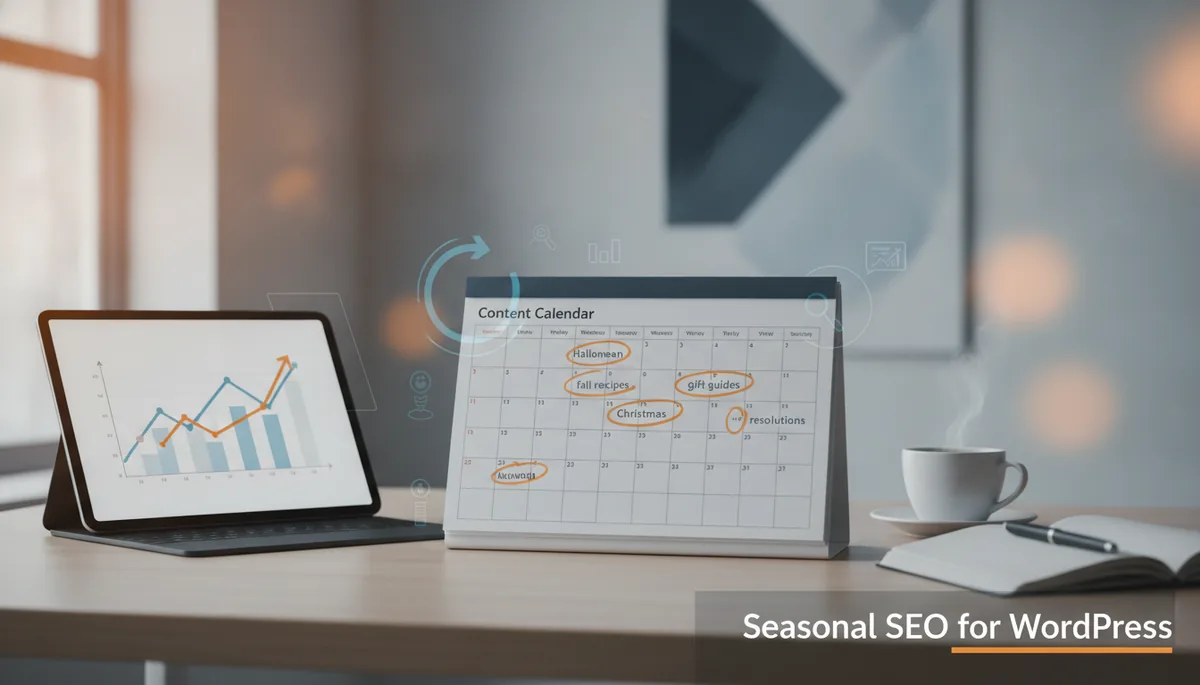
Consistency beats bursts. When I help beginners, I always start with a simple content calendar: pick 4–6 pillar topics relevant to your niche and map an 8–12 week calendar. Pillars are broad areas where you’ll publish a few posts each—this builds topical authority and stops your blog from reading like a random stream of consciousness. If your niche is “home coffee brewing,” pillars might be gear guides, how-to techniques, recipes, troubleshooting, and product reviews.
Do lightweight keyword research—no need for an academic dissertation. Use search suggestions, “People also ask,” and a keyword tool (free or paid) to validate demand. For each post, assign a primary keyword and clarify intent: are readers trying to learn, buy, or navigate? Create a one-page content template with Title, Target Keyword, Intent, Publish Date, Headline Outline, and CTA. Reuse it like a recipe card. A simple Google Sheet, Trello board, or Notion page with columns for Topic, Primary Keyword, Publish Date, and Status works perfectly.
Mix content types to capture different search intents—how-tos, lists, reviews, and ultimate guides. Schedule updates for top posts every 3–6 months to keep rankings fresh. Prioritize consistency over volume: one well-researched, neatly formatted post per week will beat half-hearted daily posts. Tools like Trafficontent can streamline publishing and repurposing if you want to automate parts of this workflow, but you can get very far with sheets and focus.
Remember: a useful content calendar is less like a fortress and more like a garden plan—plant intentionally, water regularly, and prune what doesn’t grow.
Create On-Page SEO that Actually Works
On-page SEO is not a secret chant—it's good writing with navigation lights. Start each post by picking one primary phrase (and maybe one secondary). Use that phrase naturally in the title, the first paragraph, and in one or two headings. Keep it natural—if your writing sounds like a keyword salad, back off. Your job is to answer the user's question better than the other pages on that topic.
Structure is everything: use an H1 for your title, H2s for main sections, and H3s for subsections. Break text into short paragraphs and bullets to respect skimmers. Write a compelling title tag (50–60 characters) with the keyword up front and a meta description (~150–160 characters) that reads like a short pitch. Think less “marketing fluff,” more “helpful invitation.”
Don’t ignore accessibility and image optimization: include at least one relevant image, name the file descriptively (e.g., pour-over-setup.jpg), and add alt text that describes the image and, when sensible, includes the keyword. Internal linking is a huge underrated move—link related posts with context, not “see here.” That’s how you keep readers on your site longer and help search engines understand your topical clusters.
Quick checklist:
- 1–2 clear target phrases per post, placed naturally.
- Title tag + meta description that sell clarity, not hype.
- Header hierarchy and short paragraphs for readability.
- Descriptive image filenames and alt text, plus 2–3 contextual internal links.
I like to tell new bloggers: think of on-page SEO like dressing for a job interview—clean, relevant, and not trying too hard with glitter.
Build a Fast, Professional Look with Free Design
You don’t need a designer or a mortgage to have a professional-looking, fast WordPress site. Pick a lightweight, well-reviewed free theme—Astra, GeneratePress, Neve, or OceanWP are great starting points. These themes are lean, mobile-friendly, and don’t ship with five thousand unnecessary features that bloat your pages. Install only what you need; extra plugins mean extra weight and potential conflicts.
Customize with the WordPress Customizer: tweak colors, typography, and header layouts so your site looks purposeful. If you plan to edit PHP or CSS, use a child theme so updates don’t wipe your customizations. Keep fonts to two or three choices and avoid loading too many icon libraries—each extra resource slows your page down like a backpack full of rocks.
Performance basics are critical: compress images before uploading (use free tools or WordPress plugins that optimize automatically), enable caching (plugins or host-level caching), and consider a CDN if you have international readers. Keep page weight low by avoiding large hero images and animated backgrounds. Run a quick Lighthouse or PageSpeed check—the goal is a snappy load under 3 seconds on mobile where possible.
Design is about clarity: a clean header, a readable body font, and consistent spacing make your blog look trustworthy. If you’re tempted to add a zillion widgets—don’t. Every widget is like a sticky note saying “I’m not confident.”
Write Posts that Rank: Structures and Templates
Writing that ranks starts with a template. Use a repeatable post structure: hook, problem, solution, evidence, and takeaway. The hook grabs attention in the first 1–2 paragraphs. State the reader’s problem, then offer a clear solution with step-by-step guidance, and finish with a crisp takeaway or actionable checklist. This rhythm makes drafting faster and sets reader expectations—consistency makes your writing feel trustworthy, not random.
Include FAQ sections for common sub-questions. These are gold for appearing in “People also ask” boxes or being pulled into rich snippets. Format the FAQ with clear Q&A pairs and, when relevant, mark them up with FAQ schema via your SEO plugin. Curate internal and external links for credibility—link to your own deep dives and a couple of authoritative external sources (avoid link stuffing). When you quote a stat or claim, link to the source. It’s the digital equivalent of waving a research badge.
Templates reduce writer’s block. I use a simple one for how-tos:
- Headline with keyword
- Intro hook + promise
- Short list of required items (if any)
- Step-by-step instructions (H2s)
- Troubleshooting / common mistakes (H3s)
- FAQ
- Actionable takeaway
Remember: quality beats quantity. A thorough, well-structured post that answers intent will climb faster than ten shallow pieces. And if you want to sound like a human—not a robotic manual—imagine explaining this to your friend over coffee. Preferably the one who asks good questions and actually reads the post afterward.
Drive Free Traffic without Paid Ads
Paying for traffic is fine later; early on, I prefer organic channels that compound. Share and repurpose content across Pinterest, LinkedIn, and X (formerly Twitter) with a repeatable schedule. Pinterest works like a search engine for evergreen content—treat it as SEO-adjacent by optimizing pins with descriptive titles and keywords. LinkedIn is great for niche professionals and long-form snippets; X is ideal for quick announcements and threading value. Repurpose one blog post into a short LinkedIn post, a Pinterest pin with an infographic, and a few X tweets that thread out the key steps. This multiplies reach without creating entirely new content.
Build simple social templates (image sizes, caption formats, hashtags) so sharing becomes a 10-minute task, not a full production. Tools like Trafficontent can automate publishing and distribution if you prefer hands-off scaling, but you can start manually and automate once you confirm what works.
Also, don’t sleep on niche communities—forums, Reddit threads (if your niche allows), Facebook groups, and specialized Slack/Discord servers can generate targeted visitors. Engage thoughtfully: answer questions and link to your posts only when genuinely helpful. Think of promotion as being useful rather than loud. A good rule: for every self-promo post, offer two value-first posts that help people without asking for anything.
One more tip: create one cornerstone post for each pillar topic and promote it heavily for the first 4–6 weeks. If you do the basics right (great content + smart distribution), those cornerstone posts become magnet pages you can feed new content into.
Measure, Learn, and Iterate
Set simple goals: monthly traffic, average position for key pages, and conversions (email signups or downloads). Install Google Analytics (GA4) and connect Search Console so you can see impressions, clicks, average position, and which queries send traffic. These tools are free and indispensable—like having a dashboard for your little storefront. If you don’t check metrics, you’re driving on autopilot into a lake.
Monitor performance monthly. Create a tiny dashboard that lists top-performing pages, pages losing visibility, and pages due for updates. Run small experiments: tweak a title, adjust a slug, or add a new H2. Test one variable at a time so you learn what moves the needle. A common experiment I recommend: rewrite the meta description and title for a page that ranks on page 2 for a target keyword—improving CTR can be the nudge it needs to climb.
Use Search Console to spot indexing or crawl issues, and use the Performance report to see which queries each page ranks for. If a page is getting impressions but few clicks, that’s a CTR problem—adjust the title and snippet to better match intent. If a page gets clicks but high bounce and low time on page, that’s a content/UX problem—improve structure, add images or internal links, and make the value immediate.
Keep experiments small and repeatable. I like to say: “Measure like a scientist, change like a gardener.” Tweak gently, observe, and prune what doesn’t help.
Reference: Google Analytics and Google Search Console are tools I check weekly; set them up if you haven’t: Google Analytics and Google Search Console.
Monetize and Grow Sustainably
Monetization should feel like a friendly handshake, not a pushy street vendor. Start by building an email list early. Offer a simple lead magnet—a one-page checklist, a printable, or a short email course—that directly solves a small problem related to your pillar topics. Email is the channel you control; social platforms change their minds like bad roommates. Use a lightweight email tool that integrates with WordPress and start collecting addresses once you have consistent content.
When you’re ready to monetize, start with affiliate links for products you actually use or thoroughly review. Insert affiliate links naturally within helpful content—avoid slapdash banners everywhere. Value-added products or courses work well later, but early revenue often comes from affiliate commissions and sponsored content if your audience is engaged.
Keep