If you're starting a blog, picking a theme feels like choosing wallpaper for your website’s living room—except the wrong pattern can repel guests, wreck SEO, and slow down your coffee-fueled dreams. I’ve built and optimized more beginner blogs than I care to admit (some of them at midnight, with questionable snacks), and the single biggest win is always the same: start with a fast, accessible theme and you’ll avoid a mountain of later fixes. ⏱️ 10-min read
This guide walks you through why speed and accessibility matter, the concrete criteria to judge themes by, realistic free vs premium trade-offs, recommended starter themes, a repeatable testing workflow, setup and optimization steps, migration pointers, and how to plan content that grows with your theme. Expect practical targets (LCP under 2.5s, CLS under 0.1), a bit of sarcasm, and clear next steps you can act on this afternoon.
How speed and accessibility matter for beginner blogs
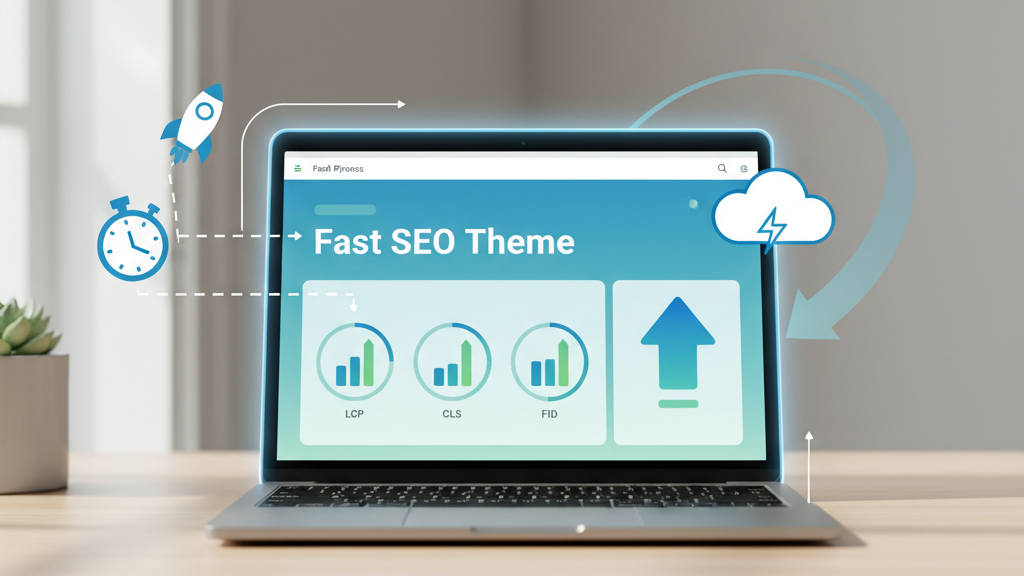
Let’s be blunt: a slow blog loses readers like a leaky cup loses coffee. People expect pages to load fast—mobile users even more so. When you’re starting out, each visitor is precious; a one-second improvement in load time can increase conversions and engagement. Google’s Core Web Vitals (Largest Contentful Paint, Cumulative Layout Shift, and Interaction to Next Paint or First Input Delay/INP) are real signals in search ranking algorithms, so speed isn’t just a nicety, it’s practical SEO insurance. Aim for LCP under 2.5s and CLS under 0.1 for a healthy start.
Accessibility isn’t charity—it’s smart reach. Making your site usable by keyboard users and screen readers expands your audience and reduces legal risk. Think of accessibility like a ramp and signs at your party: it doesn't make the party worse; it makes more people stay. Accessible sites also tend to be better structured semantically, which helps search engines understand content (hello, SEO benefits). A well-structured post is easier to skim, share, and rank.
Concrete outcomes matter: faster load times reduce bounce rates and increase pages-per-session; better accessibility increases time-on-page and repeat readers. I’ve seen beginner blogs double session duration simply by switching to a lean theme with readable typography and sensible defaults—no miracle content needed, just a theme that didn’t fight the reader.
Concrete criteria for fast, accessible themes
When you shop for themes, ignore marketing buzzwords and look for measurable, practical signals. First, performance targets: Lighthouse/PageSpeed Insights and Core Web Vitals. Get a baseline on demo pages—aim for Lighthouse performance scores in the 80–100 range on mobile (desktop bonuses are nice but mobile matters most). LCP < 2.5s and CLS < 0.1 should be your non-negotiables. For interactivity, aim for FID/INP under ~200ms.
Next, code quality. A good theme minimizes external scripts and keeps CSS small. Look for themes that defer non-critical JavaScript, load fonts efficiently (or use system fonts), and avoid heavy page builders by default. In DevTools you want fewer HTTP requests and a short critical rendering path—this is where render-blocking scripts or huge CSS files show their teeth. Themes that ship with modular CSS or let you disable unused modules win.
Accessibility checks are equally concrete: logical heading order (H1 → H2 → H3), meaningful alt text or empty alt for decorative images, keyboard tabbability for links and controls, visible focus outlines, and color contrast that meets WCAG AA (4.5:1 for normal text). Run quick automated checks with Lighthouse or Axe, then manually test keyboard navigation and screen-reader flow. Small failures here snowball into big usability headaches—fix them early.
Finally, practical signals from the theme page: active installs, recent updates, positive reviews that mention speed/accessibility, and compatibility notes for the latest WordPress release. A theme updated last year is fine; a theme abandoned since 2017 is not. If the demo includes lots of external widgets (social counters, heavy sliders), that’s a hint the theme might require trimming.
Free vs premium themes for newbies: what to expect
Short version: free themes are your reliable rental car—cheap, lean, and predictable. Premium themes are tempting sports cars with spoilers you might not need. I start beginners on free themes often because they’re simpler—and simplicity equals speed. Free themes like GeneratePress or the core WordPress themes prioritize minimal CSS/HTML and focus on readable defaults. The trade-off is fewer built-in layouts and less fancy header control.
Premium themes often include polished demo sites, extensive customization panels, and bundled plugins. That’s great if you want to match a specific aesthetic quickly, but beware feature bloat. Each extra module, template, or customizer control adds code and potential performance debt. Premium themes can be fast—but only if the vendor cares about performance and gives you a way to disable unused features.
Support and updates are the practical differentiators. Premium themes usually come with support forums, documentation, and regular updates. That’s worth money if you value hand-holding or need specific integrations. On the flip side, reputable free themes with active communities (GeneratePress, Astra, Neve) have strong docs and forum help, and you can often find plugin-based solutions for added features.
When should you upgrade? Consider paying when your site needs: (1) a specific layout or builder integration central to your workflow, (2) premium support to avoid downtime, or (3) built-in performance optimizations you can’t replicate elsewhere. Otherwise, choose a clean free theme, keep plugins minimal, and invest saved budget in hosting or an SEO plugin instead.
Best free themes that look professional for a blog
When I recommend free themes to beginners, I prioritize clarity, typography, and modularity. Here are reliable choices that help you look professional without the bloat.
- GeneratePress (Free) — The lightweight champ. Minimal HTML/CSS, excellent default typography, and stable block-editor support. Great for long-form posts and quick reading. If you later want more layouts, the premium add-on unlocks them, but the free base is robust.
- Astra (Free) — Flexible starter templates and header options make this easy to shape. Fast if you disable unused modules. Use Astra when you want quick visuals with minimal custom code; watch demo imports for heavy assets.
- Neve (Free) — Mobile-first and Gutenberg-friendly. Works well with page builders but stays speedy if you avoid heavy builder templates. Ideal for photographers who pair it with careful image optimization.
- Twenty Twenty-Three / Twenty Twenty-Four (Core Themes) — Built by WordPress, these are designed to demonstrate accessibility and clean patterns. They’re intentionally minimal, great for writers who want semantic markup and predictable behavior.
- Kadence (Free) — (Optional) A newcomer favorite for its balance of features and performance; modular and friendly for beginners who want a bit more layout control without excessive bloat.
Tips to keep themes lean: disable unused features in the theme customizer, avoid demo content that imports heavy scripts, and resist installing every recommended plugin the theme suggests. Replace expensive web fonts with system font stacks or prioritize font-display: swap. Use the theme’s block classes rather than page builders for simple layouts—blocks are lighter and future-proof.
Examples: theme choices for common blog types
Different blogs have different needs. The trick is to match theme strengths to content style rather than forcing a flashy template onto a format that highlights text. Here are practical pairings from my experience.
Personal / essay blog: GeneratePress or the core WordPress themes. These emphasize readable line lengths, calm typography, and stable headings—ideal for long essays and narrative posts. Set a comfortable base font size (16px) and generous line-height to reduce reader fatigue. Think of it as giving your words elbow room instead of cramming them into economy seating.
Photography blog: Neve or Astra paired with diligent image optimization. Use responsive srcset, avoid full-resolution desktop images for mobile, and enable lazy loading. Choose gallery layouts that adapt to narrow screens without horizontal scrolling—nothing ruins a portfolio like forced pinch-and-zoom. Also keep an eye on EXIF stripping and WebP conversion to save kilobytes.
Tech / tutorial blog: A theme with reliable typography and built-in code block styling (GeneratePress, Kadence). Readers will be copying snippets and scanning for headings; ensure your theme supports monospaced fonts for code and uses high-contrast headings. Skip autoplay carousels and complex widgets that distract from how-to steps or code examples.
Business / portfolio: Astra starter templates are helpful for quick, professional-looking launches. They usually include clean homepages and service sections that convert. If conversions matter, prioritize themes that integrate with schema and let you insert clear calls-to-action above the fold—without crowding the critical content area.
Step-by-step: how to evaluate a theme before installing
Don’t install blindly. A little reconnaissance upfront saves hours of backtracking later. I run a rapid checklist whenever I spot a promising theme demo—here’s the workflow I use:
- Open the demo in an incognito window to avoid cached assets.
- Fire up DevTools → Network tab. Reload and watch the number of requests, total CSS and font payloads, and identify render-blocking scripts. If a demo loads 100+ requests before paint, that’s a red flag—unless you love waiting.
- Run Lighthouse/PageSpeed Insights on several demo pages (home, single post, category). Record LCP, CLS, and Performance scores. If scores swing wildly between pages, the theme might be inconsistent under real content.
- Do a quick accessibility audit with Lighthouse/Axe and then test keyboard navigation manually—tab through the page. If interactive elements aren’t reachable or focus outlines are missing, note it.
- Inspect CSS: is it modular or a monolithic 300KB stylesheet? Modular CSS that only loads what’s needed is better.
- Check changelog and support: last update, compatibility with latest WP, and active installs. A theme updated monthly or quarterly is preferable to one on permanent vacation.
Make comparisons across two or three finalists and take screenshots or notes. Don’t obsess over a single demo metric—look for consistent patterns. And if a theme demo uses a lot of "demo plugins" or social widgets, assume you’ll need to strip those out for production speed.
Quick tests to compare themes (without breaking your site)
Never test a new theme on your live site unless you enjoy adrenaline and chaos. Use a staging environment or a local copy. I prefer Local by Flywheel for quick spin-ups, but many hosts offer staging; you can also use a plugin like WP Staging. Cloning your site lets you flip themes, run tests, and preview content without mortgaging the live site’s dignity.
Testing workflow:
- Clone your live site to staging (or create a new blank site with representative content).
- Install the theme and import a small set of posts, ideally the kinds of content you’ll publish (one long post, a gallery post, and a category page).
- Run Lighthouse and PageSpeed Insights on staging, using mobile emulation. Compare LCP, CLS, and performance score against your baseline. If a theme adds >500ms to LCP versus your baseline, that’s meaningful.
- Run an accessibility scan with Axe or WAVE. Manually test keyboard navigation and try a screen reader (NVDA or VoiceOver) if you can; sometimes the automated tools miss context-sensitive issues.
- Check across devices: responsive breakpoints should keep content readable without horizontal scroll; images should swap to appropriate srcset sizes.
Keep a simple scorecard: Performance (0–100), LCP, CLS, Accessibility issues found, and subjective readability. That scorecard makes it easy to pick the winner without emotional attachment to a hero image or a cool header pattern. If you spot big layout shifts, missing alt attributes in demos, or excessive third-party scripts (ads, trackers), mark them as deal-breakers unless you’re prepared to fix them.
Setup checklist for a fast, accessible WordPress blog
Once you’ve chosen a theme, follow this practical, no-nonsense checklist to get the site lean and welcoming. I use this checklist every time I build a beginner blog, and it keeps the site tidy from day one.
- Install the theme on staging first. Verify site structure: menus, header, footer, and single-post layout.
- Enable caching: Use your host’s cache or a plugin (LiteSpeed Cache, WP Super Cache, or Cache Enabler). Configure HTML, CSS