Choosing between WordPress.com and WordPress.org feels like picking a car: do you want something that’s serviced for you, with a full tank when you show up (and limited stereo options), or do you want to buy the chassis, engine, and stereo separately so you can swap in a subwoofer later? I’ve built sites both ways, from personal diaries to small stores, and I’ll walk you through the practical differences so you can decide based on goals, budget, and how much tinkering you actually enjoy. ⏱️ 11-min read
This guide gives absolute beginners clear comparisons, concrete examples, and a quick starter plan. Expect honest costs, real responsibilities, and an easy checklist to help you launch without sweating the small stuff. If you want the deep-dive details, I link to the official sources so you can go straight to the vendor pages and docs.
What WordPress.com vs WordPress.org actually means
Let’s cut to the chase: WordPress.com is a hosted, managed service. You sign up, pick a plan, and the company behind it (Automattic) handles hosting, security, backups, and core updates. Think of WordPress.com as renting a nicely managed apartment — the utilities and locks are taken care of, but you can’t knock down walls without permission. That makes it perfect for people who want to publish quickly without learning servers or command lines.
WordPress.org, by contrast, is open-source software you install on your own hosting. You download WordPress, point it at a hosting account, and assemble the site yourself. It’s like buying a house: you can renovate, add a deck, or install a giant flamingo statue if that’s your thing. The trade-off is responsibility — you’re in charge of updates, backups, security, and uptime. Want a fancy plugin or a custom PHP tweak? WordPress.org lets you do it.
Who benefits from which? If you want to write, publish, and avoid the technical headache, WordPress.com is right for you — especially on personal blogs, portfolios, or simple small-business sites. If you plan to scale, monetize aggressively, run a store, or need specific integrations, WordPress.org gives you the control you'll need. In short: convenience vs. flexibility. No one’s judging if you pick the couch that comes with cushions — just be honest about whether you want to sew your own upholstery later.
Costs and what you actually get for free
Money talk — the boring but necessary part. WordPress.com offers a genuine free plan: you get a subdomain (yoursite.wordpress.com), hosting, and a subset of features. It’s great as a test drive or a personal journal. But it comes with WordPress.com ads, limited storage, and restricted theme/plugin access. To remove ads, use a custom domain, or install plugins, you’ll need to upgrade to a paid plan. Those plans can bundle helpful features, but they add up if you want business-grade flexibility.
WordPress.org’s software is free. The cost is in the plumbing: hosting, domain registration, and optional paid themes/plugins. Typical shared hosting ranges from $3–$15/month for entry-level plans (promos and renewal rates vary); a domain runs roughly $12–$20/year. If you buy premium themes or plugins, budget another $30–$150/year per product. Then there are optional services — managed hosting, professional backups, or a developer on retainer — that increase expenses but save time.
Here’s a realistic starting-budget comparison: on WordPress.com you can begin at $0 and upgrade to $4–$25+/month depending on features; on WordPress.org you might spend $36–$200/year to start if you pick affordable shared hosting plus a domain and a premium plugin or theme. Over time WordPress.com can become pricier if you need business features; WordPress.org costs scale with control — you pay for performance and extras, not convenience. As I always say to new site owners: don’t confuse “free” with “complete.” Free is a footprint; serious projects usually need investment.
Control, customization, and hosting responsibilities
Control is where the platforms show their personalities. On WordPress.com, especially the lower-tier plans, you’re in a curated environment. The company handles server maintenance, core updates, and security patches. You can customize themes to an extent, but installing third-party plugins or editing core files is restricted unless you’re on a high-tier plan (which effectively shifts you toward a managed WordPress.org setup). If you want a predictable, maintenance-light experience, this is ideal. It’s like choosing the all-inclusive vacation where even the awkward towel-animal making is taken care of.
With WordPress.org, you own the tech stack. You choose the host (Bluehost, SiteGround, DreamHost, or more advanced managed hosts), control PHP versions, install any plugin, and edit files. This is powerful — you can add advanced caching, set up custom cron jobs, or create bespoke functionality. But power requires vigilance: you’ll perform updates, schedule backups (or configure automated backups), harden security (firewalls, brute-force protection), and monitor uptime. If that sounds like a second part-time job, you can outsource it to managed hosts or maintenance services.
Maintenance responsibilities matter when your site grows. A small blog with a few posts will hum along on either platform, but a store, membership site, or high-traffic blog invites complexity. On WordPress.org you decide the hosting tier and scaling strategies; on WordPress.com scaling is managed for you — sometimes at a premium. From my experience migrating sites, the biggest surprise for beginners is not cost or design; it’s time spent on updates and troubleshooting. If you’d rather write than wrestle with 500-plugin conflicts at midnight, factor that into your choice.
Monetization, ads, and revenue paths
Money-making rules differ sharply. On WordPress.com, the free and lower-tier plans limit ad placements and monetization options. You can use affiliate links in posts generally, but running ad networks like AdSense or full-blown monetization programs typically requires a Business plan or higher. WordAds (WordPress.com’s advertising program) is available for eligible plans, but it’s selective and not as flexible as self-managed networks. Essentially, the platform protects its ad real estate unless you pay for access — fair if you think of it like a hotel room with a mini-bar you must buy to access.
WordPress.org offers full monetization freedom. You can install ad management plugins, run any ad network, sell digital products, and implement affiliate funnels exactly how you like. Want to host webinars, subscriptions, or a membership community? WooCommerce, Easy Digital Downloads, MemberPress, and similar plugins make that possible. You’re responsible for payment gateways, tax calculations, and securing transactions, but the upside is total control over revenue streams and experimentation. If you plan to monetize seriously, the trade-offs usually favor .org.
For beginners, consider simple revenue paths first: affiliate posts, digital downloads, or a basic subscription. Affiliates work on either platform, but WordPress.org makes tracking and formatting easier with plugins. My practical advice: start with a small experiment (three affiliate posts or a low-cost digital product), measure conversion, and scale on the platform that gives you the tools you’ll need without constant platform-imposed limits. Monetization is a marathon, not a scratch-off ticket — plan for testing and optimization.
SEO, speed, and performance basics
Both WordPress.com and WordPress.org can rank well with good content — content quality beats platform choice more often than not. That said, the ability to optimize for speed and SEO differs. WordPress.com offers built-in basics: sitemaps, social previews, and metadata handling on most plans, plus managed hosting tuned for reliability. You’ll spend less time troubleshooting broken SEO plugins or cache layering. If your SEO strategy is mostly content-first, WordPress.com gives you a dependable start.
WordPress.org gives you granular control. You choose a host optimized for PHP 8+, set up caching layers (server cache, object cache, CDN), and install SEO plugins like Yoast or Rank Math. These tools guide title tags, meta descriptions, schema, and XML sitemaps. You can also integrate advanced performance plugins (WP Rocket, W3 Total Cache) and choose lightweight themes for faster page loads. With the right combination, a self-hosted site can outpace many managed setups, but it requires proper configuration — misconfigured caching or a bloated plugin list can slow you faster than a turtle on a treadmill.
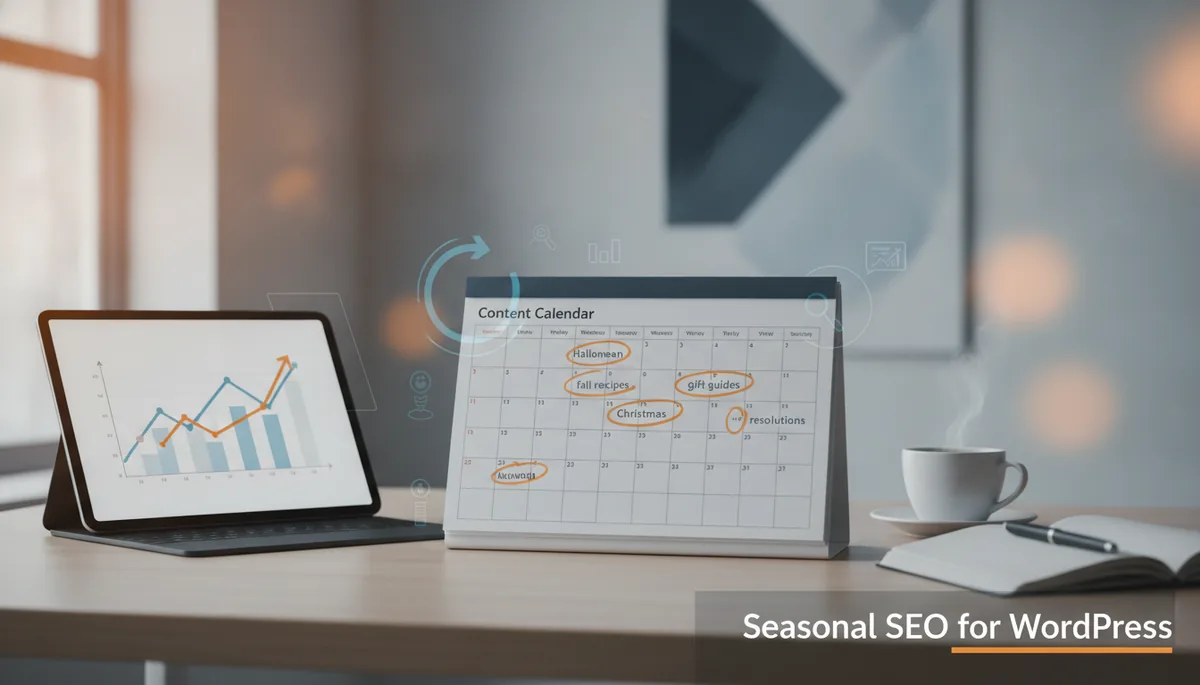
Practical speed tips I use: pick a lightweight theme, limit plugins to essentials, use optimized images (WebP where supported), and enable a CDN for global reach. Monitor real-world metrics with tools like Google PageSpeed Insights and Cloudflare analytics. For SEO, aim for strong on-page signals (headings, internal links, schema), and build a content calendar around topics your audience searches for. I’ve seen small sites on both platforms rank well; the secret is consistent, user-focused content plus attention to basic performance hygiene.
Content creation workflow for beginners
From a writer’s perspective, the content workflow is similar on both platforms because both use the Gutenberg block editor. Blocks are modular elements — paragraphs, images, galleries, quotes, lists — that let you compose pages without writing code. Imagine building a page like snapping toy bricks together. This keeps the learning curve gentle and means you can focus on writing rather than wrestling with HTML.
Start with a simple content calendar: plan 3–5 cornerstone posts that define your niche, then schedule supporting posts and evergreen guides. Cornerstone posts are long-form, search-optimized pages that attract initial traffic and internal links. Keep your first pieces practical and useful: “How to X in 30 Minutes,” “Beginner’s Checklist for Y,” and a compelling About page. Templates help: create a post template with predefined blocks (intro, H2 headers, image blocks, CTA) so every post has consistent structure and a predictable publish flow.
Use the Media Library sensibly — name images with descriptive filenames and add alt text for accessibility and SEO. Take advantage of scheduling to build a drip of content if you’re balancing other commitments. Revision history is a lifesaver when you edit excessively at 2 a.m.; it lets you revert to previous versions. If you’re just starting, pick a simple editorial setup: draft > review > schedule > promote. And if you need speed, explore services like Trafficontent to accelerate production and distribution while you focus on ideas — yes, outsource smartly if writing isn’t your favorite chore.
Starter setup: themes and plugins for growth
Choosing themes and plugins depends on platform. On WordPress.com, your selection is limited by plan: free and lower-tier plans offer polished themes and built-in features; plugin access is generally restricted. That’s fine if you want a clean, professional look without install headaches. Pick a polished free theme that matches your style and use built-in customization options for logos, colors, and layout. If you want e-commerce or complex plugins, check plan requirements — sometimes upgrading is simpler than migrating immediately.
On WordPress.org you have vast choices. Start with well-coded, lightweight themes like Astra, Neve, or the official Twenty Twenty family. They’re flexible and perform well out of the box. Essential plugins I recommend for growth include: an SEO plugin (Yoast or Rank Math), a backup solution (UpdraftPlus), security (Wordfence or Sucuri), a caching plugin (WP Super Cache or WP Rocket), and a forms plugin (WPForms or Contact Form 7). If you plan to sell, WooCommerce is the industry standard. But don’t overdo it — each plugin adds potential conflict and performance overhead.
Compatibility and updates are critical. When choosing plugins, check active installations, recent updates, and support history. Avoid long-neglected plugins; they can become security liabilities. Run updates in a staging environment when possible or schedule them during low-traffic hours. When I launch client sites, I spend extra time on the first month tuning plugins and theme settings — it saves time and reputation later. Remember: plugins are tools, not religious artifacts. Pick the right ones and retire the rest.
Decision checklist and quick starter plan
Here’s the pragmatic decision checklist I give friends when they’re stuck. If you tick most boxes in the left column, go WordPress.com; if you tick most in the right column, pick WordPress.org.
- If you want low maintenance, no server chores, and a fast setup → WordPress.com.
- If you want full monetization freedom, custom plugins, and advanced integrations → WordPress.org.
- If you’re testing an idea with minimal cost and risk → WordPress.com (free plan or low-tier).
- If you want an online store, membership site, or high customization → WordPress.org.
Quick starter plan — a practical, four-step checklist you can execute in an afternoon:
- Register a domain name (e.g., yourbrand.com). If budget is tight, you can start on WordPress.com’s subdomain and switch later.
- Pick a path: sign up for WordPress.com or purchase hosting and install WordPress.org. If choosing hosting, many providers offer one-click WordPress installs (Bluehost, SiteGround, DreamHost).
- Install a clean theme and the essential plugins (SEO, backups, security). Configure a simple homepage, About page, and Contact page.
- Publish three cornerstone posts, set up a posting schedule, and promote on social channels. Consider using a service like Trafficontent to accelerate production and distribution if you want faster reach.
One extra pragmatic tip: plan for migration. If you start on WordPress.com and later want more control, you can export your content and import it into a self-hosted WordPress.org site — it’s usually straightforward, though some theme or plugin features might not carry over. I’ve migrated a few sites this way; it feels like moving apartments: tedious but rewarding when the new place has a better kitchen.
For more official details and comparison references, see the WordPress platform pages: WordPress.com, WordPress.org, and an excellent beginner-friendly guide at WPBeginner.
Next step: pick one small task from the starter plan and do it today—register that domain or draft your first post. You don’t need the perfect tech setup to start; you need consistent content and a plan to improve. If you want, tell me your project (niche, budget, time per week) and I’ll recommend the faster path and a 30-day launch checklist you can actually finish.