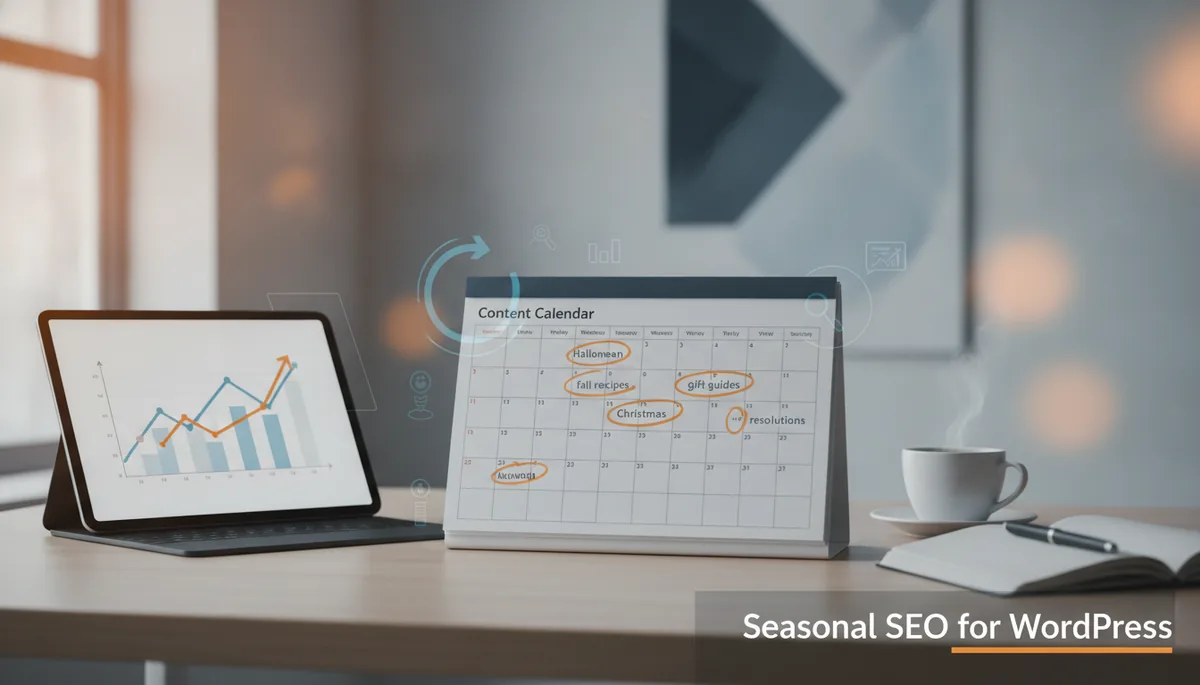
Starting a WordPress blog feels a bit like adopting a houseplant: exciting, a little fuzzy about what it needs, and liable to die if you forget routine. I’ve helped new writers turn that plant into a potted jungle by using a simple, no-cost content calendar that keeps ideas organized, posts consistent, and traffic climbing. This guide walks you through a practical, step-by-step blueprint you can implement today with only free tools like Google Sheets, Trello, Notion, and WordPress itself. ⏱️ 12-min read
Expect concrete templates, real mini-case examples, and the kind of honest advice I’d give a friend over coffee—no fluff, no paid software pitch. You’ll leave with a working calendar structure, a repeatable workflow, and a short testing plan to measure what actually moves the needle. Yes, even on weeknights when you’ve got three other things to do. Let’s make consistency boring—in the best way.
Set clear goals and cadence
Before you schedule titles, ask what success looks like. I always start by writing two audience personas—simple snapshots of who will read the post and what problem they want solved. One persona might be “Sam the side-hustler”: wants step-by-step WordPress help and has 30 minutes to read. The other is “Taylor the site owner”: needs strategic guidance to grow traffic. These small profiles change how you craft titles, hooks, and calls to action; they stop you from chasing shiny topics that impress no one but yourself.
Next, map a realistic cadence. Consistency beats sporadic heroics. If you can manage one solid post per week, pick that and defend it like a sacred appointment. I coach writers to set SMART goals: Specific (two posts/week), Measurable (500 organic visits/month), Achievable (sustained by your real schedule), Relevant (supports list growth or product demos), Time-bound (review at 90 days). “Specific” is the secret sauce—vague goals breed content chaos faster than a cat walks across a keyboard.
Use free inputs to validate topics: run a quick Google Form among friends, read Reddit threads, and scan comments on relevant blogs. These sources reveal questions people actually ask—gold for topic ideas. Finally, block publish days on Google Calendar or create a weekly Trello lane for “Publish Days.” I recommend batch-creating when you have uninterrupted time; treat writing days like dentist appointments—nobody enjoys them but they save you pain later.
Pick free planning tools and templates
You don’t need a project management PhD to pick a tool—just one that fits how you think. I’ve used Google Sheets for its speed and shareability, Trello for visual pipelines, and Notion when a single linked workspace is helpful. Each is free for basic use and has templates you can import so you’re not starting with a blank, existential spreadsheet at midnight.
Google Sheets: Great for a classic calendar grid. Create columns for Publish Date, Title, Status, Channel, and Owner. Color-code statuses and share with editors or collaborators. If spreadsheets make you nervous, think of Sheets as plain paper that can do math and reminders. Trello: The kanban board is perfect if you like moving cards with dramatic flair. Boards like Ideas, In Progress, Ready, Scheduled, and Published show progress at a glance. Add due dates, checklists, and attachments—Trello does all that on the free tier.
Notion (free personal plan): Use it when you want a database of ideas, briefs, and a calendar linked to drafts. Notion scales from a single writer to a small team and keeps briefs and outlines close to the calendar slot. Airtable’s free tier works similarly if you prefer spreadsheet-database hybrids. Pro tip: don’t invent complicated systems the first month—pick one tool, import a free template (there are many sensible content calendar templates), and shape it to your rhythm.
Build a WordPress-friendly calendar structure
Your calendar should be a writing cheat sheet, not a wishlist. I recommend a simple row per post with fields that map directly into WordPress so the writer doesn’t have to translate notes later. The essential columns I use are: Publish Date, Title, Slug, Topic, Main Keyword, Search Intent, Post Type, Status, Author, Internal Links, and SEO Notes. That’s not excessive—think of it as a checklist that prevents the “Oh no, where did I put that quote?” panic.
Keep statuses tight: Idea, In Progress, Ready, Scheduled, Published. This prevents fifty “almost ready” drafts from stacking up like unread emails. Add a column for the post slug (lowercase, hyphenated) so the URL is decided before publishing—this avoids embarrassing changes after a post gains traction. Internal links deserve their own field: list 1–3 related posts and suggested anchor text. I’ve seen sites where internal linking was an afterthought; now those same sites enjoy longer sessions and clearer topical clusters.
Create consistent naming: I use YYYYMMDD-topic-title-draft for filenames, which keeps everything chronological and searchable. For titles, pick a format like “Topic — Benefit” (e.g., “WordPress Calendar — How to Publish Consistently”) to keep headlines focused on outcomes. Small structure choices remove friction during upload and editing, and WordPress formatting becomes a final step rather than a guesswork slog.
Generate keyword-driven topics
Keyword research doesn’t have to mean subscriptions, spreadsheets, or sleepless nights. Start with seed terms related to your niche and use free tools—and your own curiosity—to find real questions people ask. I begin with Google Autocomplete: type “wordpress-blog/" rel="nofollow noopener noreferrer">wordpress content calendar” and jot down suggestions. Then scan the People Also Ask box for concrete, copyable questions that make excellent post titles or H2s. It’s like eavesdropping legally on your future readers.
Complement that with Google Trends to spot rising queries or seasonal spikes—useful for planning timely posts that can get a quick traffic bump. AnswerThePublic’s free tier pulls phrasing and question forms around a keyword: these are ready-made headings and intros. Ubersuggest’s free features or the Keyword Planner in Google Ads (no charge to use) help estimate relative search interest. Cross-check ideas across sources; if the same question appears in autocomplete, PAA, and AnswerThePublic, it’s probably worth a slot.
Group ideas by search intent—informational (how-to), practical (checklist/tutorial), and decision (product comparisons). Assign each idea a calendar slot and aim for 5–8 shortlisted topics ready to fill a month. I like to reserve one slot per month for a timely piece that can ride a trend or news hook. And remember: you’re looking for useful topics you can genuinely answer; don’t write the 100th vague “best plugins” post unless you add a fresh angle. Readers can smell reheated content from a mile away—like a food critic at a gas station, and they’re not impressed.
Plan a content mix to grow traffic
Your content schedule should be a balanced diet, not an all-donut binge. I recommend mixing pillar content (long, comprehensive guides that your site can anchor on), evergreen how-tos (always useful), timely posts (news, trends, seasonal tie-ins), and repurposed content (summaries, videos, social threads). A simple ratio to start: 40% evergreen, 30% pillar/resources, 20% timely, and 10% repurposed or promotional. Adjust based on performance.
Set monthly quotas and dead-easy deadlines. For someone publishing twice weekly, a month could look like: one pillar, four evergreen how-tos, two timely pieces, and two repurposed items. Pillars anchor topical clusters—think of them as the foundation of a house; all other posts should link back to them. Evergreen posts are your steady traffic earners. Timely pieces are the sparks that can blow up if you hit them right; treat them like fireworks—loud and effective, but not something you want every day.
Use the calendar to map internal link strategies: cluster 4–6 related posts around a pillar article and add cross-links. Repurpose long posts into quick social threads, short newsletters, or checklist downloads to extend reach with minimal extra writing. Track how different formats perform and be willing to tweak the mix. If listicles are getting shares and guides keep readers longer, favor the formats that meet your goals—traffic, time on page, or email signups. And yes, juggling formats is a bit like being a radio DJ—schedule your hits, play some deep cuts, and don’t forget to talk between songs.
Establish a lightweight writing and publishing workflow
A repeatable workflow removes decision fatigue. My standard sequence compresses the creative ritual into time blocks so you don’t have to invent process each week: Idea capture → Outline → First draft → Edit → Upload to WordPress → Schedule → Promote. Time those blocks: idea capture (15–20 minutes), outline (20–30), draft (45–90), edit (20–40), upload and format (15–25). These are guides, not shackles—think of them as traffic lights, not prison bars.
Write drafts quickly. I tell writers: write like you’re telling a friend in a café—clear, conversational, and actionable. Then edit for clarity, flow, and SEO. Use a Google Doc for collaborative editing, then copy to WordPress. In WordPress, use the built-in block editor’s reusable blocks or a simple post template to standardize sections (intro, 3–5 H2s, conclusion with CTA). Create a checklist for the WordPress upload: alt text for images, correct categories, 2–3 internal links, slug checked, and meta description drafted.
Leverage WordPress scheduling—set the publish date and time and let it roll. For promotion, plan 1–2 actions in the first 48 hours: a social thread, an email blast, or a Reddit post in the right community (if allowed). Batching helps: write two drafts in one sitting, then schedule them on different days. If you ever feel guilty about publishing less, remember: your audience prefers quality, not output that screams “I wrote this between tasks.”
Optimize posts with free SEO basics
SEO doesn’t require a subscription—just consistent basics. Treat the post title as the title tag: include your main keyword and a clear promise. Place the keyword in the first 100 words and at least one H2. Write a concise meta description (around 150–160 characters) that makes someone click—think of it as a mini-ad for your post. Use a free plugin like Yoast SEO or Rank Math if you want UI help, but you can draft title and meta in your notes before pasting them into WordPress.
Write naturally. Keyword placement should feel human—not like someone stuck a phrase into a blender. Use variations and related terms to cover the semantic field; search engines like context. Make sure you add at least one authoritative external link (news article, documentation, or study) and 2–3 internal links to related posts with descriptive anchor text. Alt text for images is free SEO and accessibility; describe the image and include the keyword if relevant.
Small technical touches matter: choose short slugs, use categories sparingly (1–2), and tag thoughtfully. Use headings to make the post scannable—many readers skim before committing, like customers reading a menu while starving. If you want to test improvements, tweak title tags and meta descriptions for older posts and monitor changes in clicks via Google Search Console. These micro-edits often lift traffic more effectively than adding new posts—because sometimes the low-hanging fruit is sitting on your own tree.
Measure, learn, and iterate
Measurement keeps you honest. Start with Google Analytics 4 to track pageviews, engagement, and events like scroll depth or outbound clicks. Pair that with Google Search Console to see which queries bring impressions and clicks; it's where you learn what language people use to find you. If you need setup help, follow Google’s official docs for GA4 and Search Console—worth the five-minute setup to avoid wild guessing later (reference: Google Analytics 4, Google Search Console).
Run a weekly skim and a deeper monthly review. Weekly: check that scheduled posts are publishing and look for any sudden drops in top pages. Monthly: compare content types—do how-tos hold readers longer? Do listicles get more social shares? Tag posts by format and topic in your calendar so comparisons are easy. Adjust your calendar based on performance: if pillars are underperforming, spend a month updating them with fresh links, better CTAs, and improved headings.
Small experiments move the needle. Try changing a meta description or swapping a title to see if CTR improves. If a post has impressions but low clicks, the issue is likely the headline or meta. If impressions are low, flesh out the content with related keywords or add a better section that answers common PAA questions. Keep a running list of hypotheses and test one change at a time—results are easier to interpret that way. Remember: patience wins. Growth looks slow at first but compounds—like savings, except with words instead of interest, and slightly more drama.
Real examples and quick mini-cases
I want to close with concrete examples because abstract plans are boring and rarely work. Example A: a solo writer started a WordPress blog and created a Google Sheets calendar with columns for date, topic, keyword, and status. They synced a Trello board for drafts and used Google Docs for briefs. Committing to two posts per week and treating publish days as appointments, they kept edits under 48 hours. After eight weeks, organic traffic rose 12%—all without paid tools. The real win was the repeatable process: ideas moved predictably from row to post.
Example B: a niche creator used a two-week grid in Sheets, a one-page brief template in Docs, and Canva for visuals. They used free keyword research methods and scheduled posts with WordPress. Within a month, four posts went live on time. By tightening meta descriptions and internal links, visibility improved and social shares increased. The small changes saved hours of guesswork each week and produced measurable gains.
Takeaway: start with one tool, one cadence, and one measurable goal. Build the calendar, block the time, and protect it. If you want templates I use for Google Sheets and Trello, I’ll share them—consider it the equivalent of lending you my houseplant care manual. Your next step: pick a publish cadence this week, create one calendar row per upcoming post, and schedule a drafting block in your calendar. It’s low drama, high impact—like setting your plant on a windowsill and remembering to water it.
Resources: Google Analytics 4 setup (https://support.google.com/analytics/answer/10089681), Google Search Console (https://search.google.com/search-console/about), Google Trends (https://trends.google.com).