If you’re running a WordPress blog and your traffic feels like a polite trickle instead of a roaring river, adding multimedia is the fastest way to change the current. I’ve built and edited multimedia-led posts that turned sleepy pages into shareable magnets — and I’ll walk you through the same, step by step, without the tech-fuzz or expensive agency lingo. Think of this as a friendly blueprint: choose the right media, make it discoverable, keep your site speedy, and then promote like someone who actually knows what a thumbnail is. ⏱️ 11-min read
By the end of this guide you’ll have a practical content-planning-template/" rel="nofollow noopener noreferrer">content calendar, SEO and accessibility checklists, performance fixes you can apply in an afternoon, and repurposing tactics that squeeze every ounce of traffic from each asset. I’ll also point you to easy WordPress tools and plugins so you spend time creating, not wrestling with settings. Let’s get your posts seen — with fewer yawns and more clicks.
Embrace multimedia formats that drive traffic
If your posts are text-only, you’re leaving low-hanging fruit on the ground like a blogger who hates fruit. Visuals and audio hook attention faster and keep people around long enough to click other pages. In practice, matching format to topic and audience need is the secret sauce. For example: a quick how-to (fix a slow plugin, set up backups) screams for a 60–90 second screencast at the top of the post: viewers get the answer fast, and search engines index the transcript. I’ve seen short videos bump engagement and newsletter signups within weeks — they’re like a handshake that says “this is useful.”
Audio works when your audience multitasks. A 10–15 minute mini-podcast or interview is perfect for driving commuting listeners back to your blog via episode notes and transcripts. Offer a player inline and a one-paragraph summary for skimmers. Infographics compress complex data into something Pinterest and LinkedIn actually want to share — but keep the message singular: one clear takeaway per graphic. Export as PNG or SVG and include alt text so the image isn’t blind to search engines and assistive tech.
Slides and interactive widgets have their moments. Slide decks are great for step-by-step processes or checklists; embed Google Slides or SlideShare so readers can flip through without scrolling a novel. Interactive items — polls, calculators, quizzes — create action, which boosts time-on-page and social shares. Place them where readers are deciding what to do next (after a problem statement or in the conclusion). The rule: pick the format that makes the answer easiest to consume. If it’s still faster to type the solution, maybe the slideshow was overkill. If you’d like a quick list of post-to-format matchups, I’ll include templates later.
SEO and accessibility for media on WordPress
Good media without good metadata is like a billboard in a cave: pretty but invisible. Start simple: descriptive file names, concise alt text that explains not just what the image is but why it’s there (e.g., “step-3-backup-plugin-settings.png”), and useful captions that add context for readers. Alt text is for screen readers and search engines; captions are for humans who are skimming and need a hook. I always write alt text like I’m explaining the image to a friend who’s blind and impatient — clear and useful, not poetic.
Transcripts and captions are non-negotiable. Video captions help viewers in noisy or quiet environments and keep Google happy, since transcripts add indexable text to the page. Offer downloadable transcripts for convenience and accessibility. For audio, include timestamps and show notes; they turn an episode into a findable resource and a backlink magnet. Believe me, transcripts are the secret ingredient to making audio SEO work — they turn spoken ideas into linkable, long-form content.
Structured data (JSON-LD) boosts the chance of rich results. Use VideoObject and ImageObject markup to include name, description, contentUrl, thumbnailUrl, uploadDate, and duration; many SEO plugins (like Yoast or Rank Math) automate parts of this. Also set Open Graph and Twitter Card tags so your shares have proper thumbnails and descriptions across platforms. Finally, accessibility matters: follow WAI best practices for captions and keyboard navigation so your content is usable by everyone — and less likely to earn a user complaint or a site bounce. If you want a quick primer, the W3C Accessibility Initiative is a helpful reference (https://www.w3.org/WAI/).
WordPress setup and performance for media-heavy posts
Multimedia without performance optimization is like serving a gourmet meal on a paper plate — it falls apart before anyone gets a taste. Start with a lightweight theme: GeneratePress, Astra, or Neve keep markup clean and won’t drag your site into the loading dungeon. Then add caching (WP Super Cache, W3 Total Cache, or WP Rocket) and a CDN (Cloudflare or BunnyCDN) to serve media faster across the globe. I’ve reduced load times from 6+ seconds to under 2 by combining a compact theme with a CDN and lazy loading — it’s like trading a dial-up modem for fiber.
Image optimization is mandatory. Convert to WebP where possible — WebP shrinks files dramatically while keeping quality. ShortPixel, Smush, and Imagify handle batch conversions and can generate WebP versions automatically. If your WordPress host supports it, enable server-side image optimization. Always set responsive image sizes (srcset) so mobile users don’t download desktop-sized files. WordPress handles some responsive behavior automatically, but double-check your theme’s output for proper srcset attributes.
Lazy loading and deferring offscreen media reduces initial payload. WordPress natively adds loading="lazy" to images in many builds, but videos and third-party embeds (YouTube) benefit from “lite embeds” or placeholders that only load the iframe when clicked. Use plugins like WP YouTube Lyte or Lazy Load by WP Rocket for that. Lastly, monitor performance with PageSpeed Insights and Lighthouse (https://developers.google.com/speed/pagespeed/insights) — they give actionable fixes and explain why a 4MB hero image is a bad life choice.
Content planning and templates for multimedia-led blogs
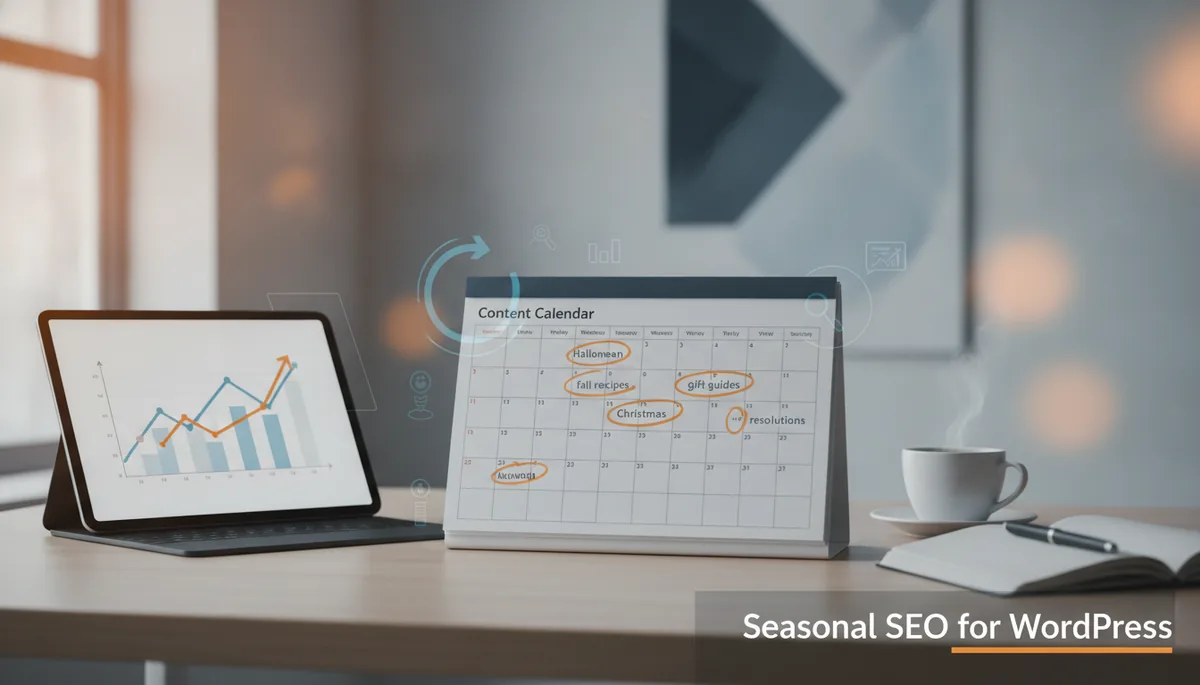
Successful multimedia blogs publish consistently, not sporadically. I recommend a simple editorial calendar that maps topics to formats: training posts get videos, research roundups get infographics, interviews become podcast episodes. A predictable cadence — say, Mondays for a quick how-to video, Wednesdays for a short audio interview, Fridays for an infographic or long-form roundup — trains your audience and simplifies production. Use Google Calendar, Trello, or a purpose-built tool like Trafficontent to create a content pipeline with owners and due dates.
Create reusable templates so production is repeatable. For videos: a short storyboard with hook, three steps, and CTA; for podcasts: a show notes template with keywords, timestamps, and guest bios; for infographics: a structure with headline, three supporting stats, and source links. I keep one or two intro/outro scripts and a signature CTA across formats — branding by repetition, not repetition that becomes a yawn. Templates speed things up and maintain brand continuity, even when you’re a team of one.
Repurpose your best posts. Look at Google Analytics for high-traffic text posts and turn them into videos, audio, and visual summaries. A 1,000-word guide converts well into a 4–6 minute video script and a shareable infographic. Trim non-essential content, add visuals, and update any data points. If you’re stretched for time, Trafficontent can semi-automate asset generation and scheduling across Pinterest, X, and LinkedIn — think of it as outsourcing the busywork so you can create the good stuff.
Crafting media-rich posts that rank
Media is a tool, not a gimmick. Start with keyword research and a clear content goal: rank for “how to speed up WordPress” or answer a specific question like “best backup plugin for beginners.” Once you know the intent, choose the right media — screencasts for walk-throughs, audio for interviews, charts for data. I always rename files descriptively (seo-wordpress-speed.mp4), write targeted meta descriptions, and place key phrases naturally in headings and the first 100 words.
Integrate media with on-page SEO: embed the video near the explanatory text, include a full transcript under the player, and break the post into clear headings (H2s and H3s) that mirror search queries. Internal linking matters: point readers to related tutorials and evergreen pages to extend sessions and spread link equity. For images, use descriptive alt text and captions that include secondary keywords where relevant — but don’t stuff keywords like a spammy sweater.
Make media fast: compress files, use proper formats, and host heavy assets where appropriate. Host videos on YouTube or Vimeo for discoverability and embed them; keep hosting your canonical copy of transcripts and show notes on your WordPress page to capture SEO value. Add schema markup for VideoObject and ImageObject so search engines understand your media and might show rich snippets. And always A/B test thumbnails and titles — a 10% CTR lift from a better thumbnail is like free traffic money. Try two versions for a week and compare results.
Distribution and promotion across platforms
Creating great media is only half the battle; distribution turns content into traffic. Publish native videos on YouTube with consistent thumbnails and titles, then embed them on your WordPress post to capture cross-traffic. Use end screens and cards to point viewers toward your blog or a related playlist. For short-form, repurpose the same footage into vertical clips for Reels, Shorts, or TikTok — different format, same message. I’m always surprised how much traffic a 30-second clip can bring back to a long-form guide.
Pinterest loves visual content: infographics and step-by-step images get traction there, especially when you attach keyword-rich descriptions and link back to your post. LinkedIn is great for longer explainers and B2B snippets; X (Twitter) works best for punchy hooks and clips. Tailor the asset to the platform: audiograms for podcast promos, soundless captions for social video, and carousels for LinkedIn. Use UTM tags on links so you can trace which platform actually moved visitors.
Automate smartly. Tools like Trafficontent let you schedule posts, create platform-specific variants, and add UTM and Open Graph metadata automatically. That saves time and keeps your branding consistent. Don’t forget niche communities: subreddits, Facebook groups, and industry forums can drive qualified traffic if you participate authentically. Always include show notes, timestamps, and a link back to the full WordPress post — that extra context converts curious scrollers into committed readers.
Measuring impact and ROI of multimedia traffic
Numbers beat opinions. Track the right metrics so you can spend time on what moves the needle. For multimedia, watch organic sessions, time on page, scroll depth, video watch time and completion rate, click-through rate (from social thumbnails), and social shares. I recommend setting a baseline for each metric before you tweak anything — then test small changes and measure lift. For example, if average watch time is 40%, try shortening intros and measure again.
Use UTM parameters to attribute traffic precisely. Tag social posts and email links so Analytics tells you which channel drove visits and conversions. If you publish podcast episodes, track downloads and referral traffic from directories. Also look for backlinks and mentions — multimedia that gets shared often attracts links, which helps organic rankings over time. If you’re using Trafficontent, it can automate UTM tagging and give you a cleaner view of which repurposed assets are actually earning clicks.
Adopt a test-and-learn cadence: one experiment per two-week period. Test thumbnail A vs. B, caption length, or player placement above vs. below the first heading. Keep tests independent so you know which change caused the result. Then double down on winners — scale what works and retire what doesn’t. I keep a simple results log: hypothesis, test, result, and next step. It’s low-tech, but it keeps me honest and profitable.
Practical examples, templates, and starter ideas
Ready-to-use ideas cut the intimidation in half. Here are four starter posts you can make this week: 1) “How I Reduced WordPress Load Time by 50%” — 90-second screencast + before/after screenshots + step checklist. 2) “10 Plugins I Use (and Why)” — audiogram snippets of each plugin, a comparison table, and an infographic. 3) “Quick Guide to Backups” — slide deck embedded + downloadable checklist + short explainer video. 4) “Monthly Industry Roundup” — 8-minute podcast, show notes with timestamps, and shareable highlight images for social.
Templates save time. Use a video storyboard: hook (10s), 3 steps (40–60s), CTA (10s). Podcast show notes: title, summary, timestamps, key takeaways, links, transcript. Infographic skeleton: headline, three stats, one call-to-action. Publish the template once, copy it, and swap in new topics. If you host a podcast, Seriously Simple Podcasting or PowerPress are reliable WordPress plugins for embedding players and feeding RSS to directories. For image compression and WebP conversion, ShortPixel or Smush work well on modest budgets.
Free tools to launch quickly: GeneratePress or Astra (lightweight themes), Cloudflare (free CDN tier), PageSpeed Insights for performance checks, and Audacity for simple audio editing. If you want semi-automated cross-posting and multilingual support, Trafficontent can seed outlines, generate assets, and schedule posts across Pinterest, X, LinkedIn, and WordPress — a shortcut when you don’t have an editor to hand everything. Start small: pick one format, publish consistently for six weeks, measure, and iterate. The compound effect is real.
Next step: pick one high-performing text post, choose a complementary media format, and publish a revamped version this week. Track it for two weeks, compare metrics to the original, and use that data to plan your next multimedia post. Small experiments stack into big traffic wins — and it’s more fun than refreshing your Google Analytics dashboard like it owes you money.
References: PageSpeed Insights (https://developers.google.com/speed/pagespeed/insights), W3C Web Accessibility Initiative (https://www.w3.org/WAI/), YouTube Creator Resources (https://support.google.com/youtube/).