You don’t need a venture-capital war chest to start a blog that looks professional, ranks in search, and begins earning within months. I’ve launched low-cost sites that outranked bigger competitors simply by being smart about choices and ruthless about bloat. This guide walks you through practical, tested steps to get a self-hosted WordPress blog live, polished, and positioned for traffic — without wasting cash on features you won’t use. ⏱️ 11-min read
Read this as a friendly blueprint: I’ll tell you which WordPress path to pick, what to buy (and what to skip), design hacks that look premium, must-have plugins, a content plan that actually attracts readers, how to optimize posts without paid tools, and lean ways to grow and measure ROI. Think of me as that one friend who won’t let you spend money on ugly fonts. Let’s go.
Choosing the right WordPress path on a budget
First decision: WordPress.com or self-hosted WordPress.org? If you want quick and dirty, WordPress.com’s free tier is like borrowing a neighbor’s mower — it’ll cut the lawn, but you can’t set a playlist or install shiny attachments. Free plans limit themes, show ads, and restrict plugins. For serious control and long-term value, I recommend self-hosted WordPress.org — you own everything, can use any SEO plugin, and won’t wake up to surprise ads plastered across your lovingly crafted blog. Check WordPress.org for the software download and docs.
“Self-hosted” sounds scarier than it is. For beginners, cheap shared hosting is the MVP: low monthly cost, one-click WordPress installers, and tech support when you inevitably press the wrong button. Look for hosts that include a free SSL certificate (encrypts your site), decent customer support, and a one-year domain promo. Providers like Bluehost, Hostinger, and SiteGround often run starter deals under $3–$5/month. The realistic setup path: register a domain, pick a basic shared plan, use the host’s one-click WordPress installer, enable SSL, and log into your new dashboard. It’s like renting a studio apartment but with better Wi-Fi and fewer suspicious stains.
Stretching a tiny budget: free and low-cost setup essentials
When my first budget blog launched, I saved money by stacking promos and delaying non-essential upgrades. You can start nearly free: snag a cheap or promotional domain (first-year discounts are common), use a host’s introductory rate, and take advantage of free tiers for tools like email signup services. Always hunt promo codes — a minute of Googling can save a year’s worth of ramen. Don’t feel pressured to buy premium everything on day one.
Here’s a practical checklist to get started without paying for features you don’t need yet:
- Domain: Use Namecheap or your host’s promo; look for privacy protection on sale.
- Hosting: Start with a shared plan; migrate later if traffic explodes.
- SSL: Enable free Let’s Encrypt SSL from your host — Google prefers HTTPS and users trust it.
- Backups: Install a free backup plugin or use host-provided snapshots. Don’t assume “it won’t break” — WordPress updates love surprises.
- Security basics: Change default admin usernames, keep themes/plugins updated, and use a simple firewall plugin.
Upgrade gradually: when you need speed, add a caching plugin and image optimization; when traffic justifies it, move to a VPS or managed plan. Think like a survivalist with Wi-Fi — pack the essentials, leave the luxury dehydrated meals for later.
Professional look with free themes and smart design
Design on a budget means choosing a fast, flexible theme that doesn’t force you into custom code. Free themes like Astra, Neve, and GeneratePress are lightweight, well-maintained, and play nicely with the Block Editor (Gutenberg). I used GeneratePress on a client project and got a clean, responsive layout without touching CSS — it’s like buying a tailored suit that already fits.
Go full Gutenberg to avoid bulky page builders. The block system handles headers, two-column layouts, callouts, and reusable sections. Save your header and footer blocks as templates to keep pages consistent. A few practical design tweaks to look pro without a designer:
- Limit fonts to one or two — use system fonts or Google Fonts for a clean, fast site.
- Keep a simple color palette (primary, accent, neutral) and apply it consistently — Canva’s free palette generator is great.
- Use high-quality free images from Unsplash or Pexels, then crop and color-grade them for consistency.
- Add a clear site header with a concise tagline — visitors should know what you do in five words or less.
Page structure that converts: Home > About > Blog > Pillar content > Contact. No fancy mambo-jumbo. Want to look like you paid a designer? Make your layout predictable: prominent H1, subhead H2s that break content into scannable chunks, and clear CTAs. It’s like arranging furniture — people notice when there’s a path from the door to the couch.
Free and affordable plugins that speed growth
Plugins are like spices: a pinch transforms a dish, too much ruins it. Keep your plugin list lean and focused on performance, SEO, backups, and security. Too many plugins, or heavy “all-in-one” ones, will slow your site — the web is not a scavenger hunt for functionality. Here are the essentials I install on every budget blog:
- SEO: Rank Math or Yoast SEO (free versions) — both guide titles, meta descriptions, and schema basics.
- Caching: WP Super Cache or W3 Total Cache — speed is SEO currency.
- Image optimization: ShortPixel or Smush (free tiers) — compress images before upload or use automatic compression.
- Backups: UpdraftPlus (free) — schedule backups to cloud storage like Google Drive or Dropbox.
- Security: Wordfence Lite or iThemes Security Basic — set brute-force limits and basic firewall rules.
- Forms: WPForms Lite or Contact Form 7 — for contact pages and simple lead capture.
Extra paid plugins aren’t always worth it. Avoid feature-creep: don’t buy a plugin because it “might be useful later.” Install only what solves current problems. One time I added five “nice-to-have” plugins when traffic hit 500 visitors/day — within weeks the site lagged like an old car with too many modifications. Remove unused plugins, keep versions updated, and test speed after each install.
Content planning that drives traffic on a budget
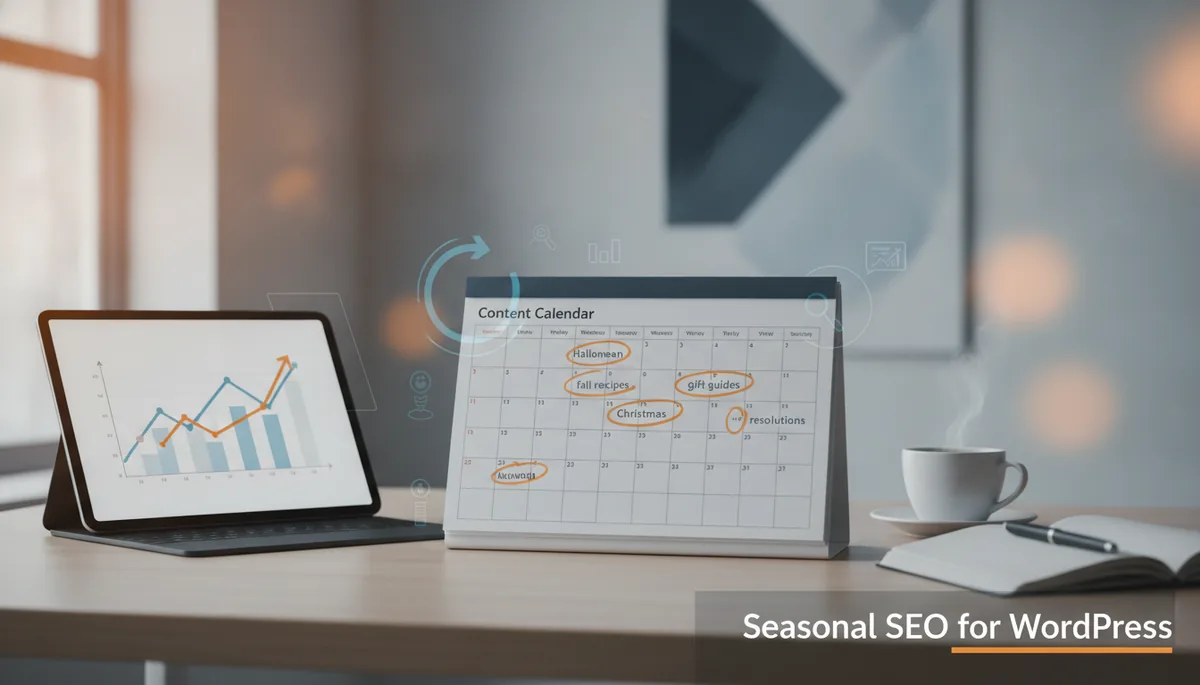
Content is the engine of a blog. On a budget, your goal is to spend time smartly — create fewer, higher-impact posts rather than a flurry of forgettable listicles. Start with a content calendar focused on pillar posts: in-depth how-tos, comparisons, and guides that can rank and attract links. I once turned a single well-optimized pillar post into a steady 40% of a site’s organic traffic within six months — no black magic, just consistent updates and smart internal linking.
Use free tools for keyword ideas: Google Search autocomplete, Google Trends, and watching niche forums (Reddit, Quora) to spot common questions. Answer The Public is great for brainstorming question-based headlines. Create a list of 10–15 topics targeting long-tail keywords with clear search intent (e.g., “best budget hiking backpack 2025” instead of “backpack”).
My repeatable template for fast writing and linking:
- Title that matches search intent (include target keyword).
- Intro with the promise and a quick TL;DR.
- Sectioned body with H2/H3s answering specific subqueries.
- Practical examples, images, and a short checklist or template readers can use.
- Close with internal links to 2-3 related pillars and a simple CTA (subscribe or download).
Plan one pillar post per month and two supporting posts that link to it. The internal linking builds topical authority and funnels readers — like leaving signposts on a nature trail so they don’t wander off into the woods.
Writing and optimizing WordPress posts to rank without paid ads
On-page SEO is mostly common sense dressed in geeky clothes. Every post is a tiny campaign: the headline (H1), headings, meta description, images, and internal links all tell search engines what you’re about. Use a free SEO plugin (Rank Math or Yoast) to check basics, but don’t let the red/orange/green lights dictate creativity — they’re guidelines, not commandments etched in stone tablets.
Quick practical checklist for each post:
- Title: Include primary keyword early; keep it readable and clickworthy.
- Meta description: 120–155 characters that summarize benefit — think of it as elevator pitch copy.
- Headers: Use H2s for main sections and H3s for details; include related keywords naturally.
- Image alt text: Describe the image and add a keyword variant if it fits; accessibility matters.
- Internal links: Link to at least two relevant pages on your site — anchor text should be natural.
- URL: Keep it short and keyword-friendly (avoid dates or nonsense strings).
- Schema: Use plugin defaults for article schema; it’s lightweight and helps indexing.
Write like you’re explaining something to a friend over coffee — clear, step-by-step, and a little witty. Long-form content (1,200–2,500 words) tends to perform well for competitive queries, but shorter pieces can win for niche, long-tail searches. The real secret: iterate. Update posts every 3–6 months — refresh facts, add new examples, and re-promote. SEO is a patient, slightly nerdy marathon, not a disco inferno.
Growth tactics and monetization without heavy ad spend
Paid ads are tempting but not necessary to get traction. I grew early audiences with free channels: an email newsletter, strategic Pinterest pins (yes, even for non-visual niches), and targeted social posts on platforms where my audience hangs out. Newsletters convert exceptionally well — even a small list of 500 engaged subscribers often outperforms 10,000 passive social followers in terms of clicks and revenue.
Free-driven traffic tactics that work:
- Pinterest: Create vertical pins with clear text overlays and link them to pillar posts. Schedule using free tiers of tailwind-like tools or manual pinning.
- SEO evergreen: Keep optimizing pillar posts and building internal links.
- Community and repurposing: Share short clips or quotes on X, LinkedIn, or niche forums and link back to your blog posts.
- Guest posts and collaborations: Contribute to niche sites and include a contextual link back to your pillar content.
Monetization on a budget: start with affiliate marketing (choose reputable programs that fit your niche), sell simple digital products (PDF guides, templates), or offer microservices (consulting calls, content audits). Don’t plaster the site with ads — they dilute user experience and require traffic volume to be worthwhile. Track which content earns actual revenue, double down on those formats, and kill the rest. Monetization is like a garden: water the plants that bloom and compost the ones that don’t.
Budget-friendly tracking and ROI: what to measure and how to adjust
Measure the few metrics that matter and ignore the rest of the vanity parade. I always set up Google Analytics 4 early (it’s free and powerful) and connect it to Google Search Console to watch impressions and click-throughs. Focus on four core KPIs:
- Traffic (sessions and users) — which posts attract visitors?
- Subscribers — how many people convert from reader to repeat audience?
- Conversions — defined as product sales, affiliate clicks, or lead forms filled.
- Revenue per month — track what each monetization channel brings in.
Run a simple monthly review: export top 10 posts by traffic, top 5 by conversions, and pages with high bounce rates. For each top post, ask: can I update it, add internal links, or create a related lead magnet? For poor performers, either improve or archive. Keep costs aligned with revenue: if a plugin or premium service costs more than it earns (or materially helps growth), cancel it.
Pro tip: set an “experimentation” budget — a small monthly amount ($10–$30) to test a paid tool or tiny ad spend. If it moves a KPI measurably, keep it; if not, stop. Like dating apps, but for SaaS tools.
Quick checklist, examples, and your next step
Here are two short examples to prove the method works. Example 1: A hobby blog launched on shared hosting with a free theme and one pillar post per month. After six months of consistent SEO and Pinterest pinning, traffic doubled and the blogger sold a $15 PDF guide to an engaged audience. Example 2: A local services blog used free SEO plugins, targeted long-tail local keywords, and claimed a Google Business Profile. Within three months, phone inquiries increased without any ad spend.
Launch checklist to copy-paste into action:
- Register a domain (promo code hunt included).
- Pick a budget shared host and enable SSL.
- Install WordPress, choose a lightweight theme (Astra/Neve/GeneratePress).
- Install core plugins: SEO, caching, image optimizer, backup, security.
- Create a content calendar around 3–5 pillar topics and supporting posts.
- Set up Google Analytics 4 and Search Console to start tracking.
- Launch one lead magnet and start collecting emails.
Your next step: pick one pillar topic you can write about in depth this week. Draft a 1,000–1,500 word post using the template above, add two internal links, optimize images, and publish. Then promote it on one free channel (Pinterest, LinkedIn, or a niche forum). Repeat, measure, and improve. In three months, you’ll have a lean, owned asset that grows without a giant ad budget — and likely a better story than your neighbor who spent $2,000 on a logo made by a raccoon named Pablo.
References: WordPress.org (https://wordpress.org/), Google Analytics (https://support.google.com/analytics/answer/10089681)