If your content calendar looks like a blinking alarm clock—screaming deadlines and last-minute panic—you’re not alone. I’ve run (and rescued) more than one small blog where holiday posts were slapped together at midnight and expected to perform like polished features. The trick isn’t frantic creativity; it’s predictability: a fixed yearly calendar, quick topical content, and a few automation shortcuts that take the busywork off your plate. ⏱️ 11-min read
This guide walks WordPress bloggers through a practical, year-round seasonal system: build a living editorial calendar, craft seasonal content that actually converts, optimize for search, and automate distribution so your posts reach people when intent is highest. Think less “elf on a deadline,” more reliable engine that hums along—even while you sip iced coffee in July. I’ll share templates, plugin picks, SEO tactics, and real case studies you can copy without reinventing the wheel.
Build a Seasonal Editorial Calendar for WordPress
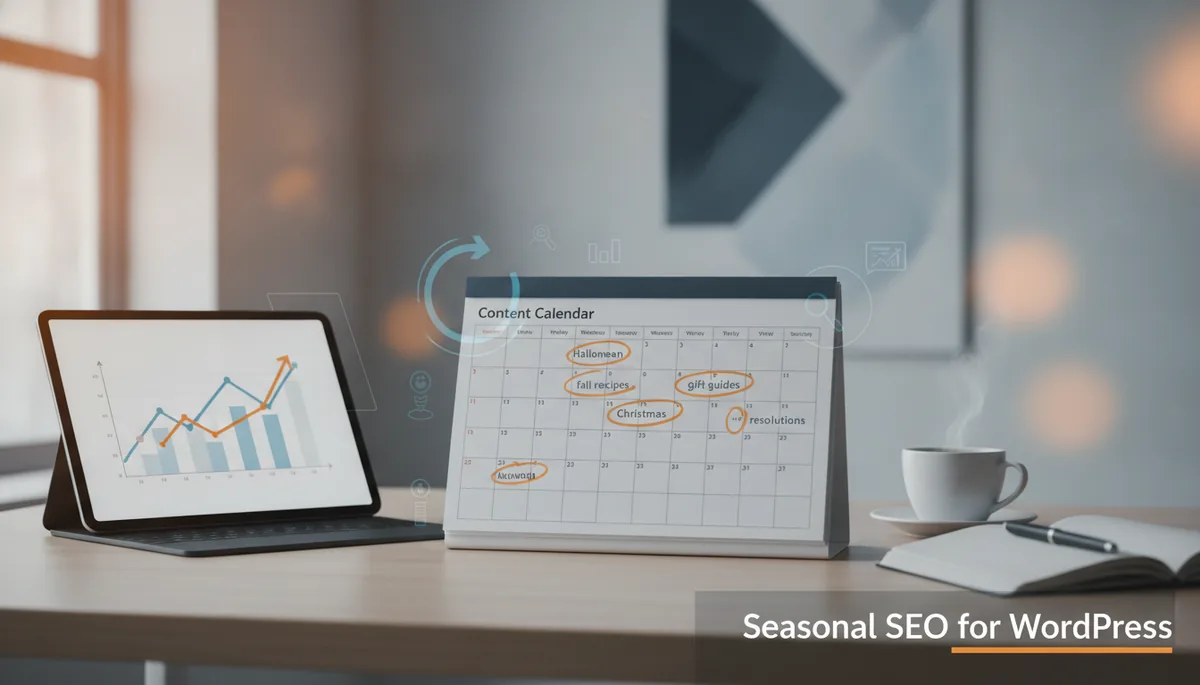
Stop treating seasonality like last-minute decoration. The first habit to adopt is mapping the year visually: block months with major holidays, industry events, school calendars, and niche-specific moments your audience cares about. I keep a living Google Sheet labeled by month, then color-code themes: product launches (green), promotional pushes (red), evergreen refreshes (blue). It’s the difference between predicting traffic and trying to catch it with a colander.
Start with a simple three-column template: Date / Theme / Formats. For each date, add 1–2 supporting angles. Example for a home decor blog in September: Theme = Fall Decor; Angles = “Budget thrift-store makeovers” and “Small-space cozy corners.” Formats = long-form how-to, 60-second video, and printable checklist. Assign deadlines for the brief, first draft, images, and publish—then set calendar reminders. When you see a blank week, the color coding will nudge you: “Ah, it’s time for a visual post, not another long essay.”
Make the calendar a living doc. Revisit quarterly to fold in new events: a surprise industry expo, an influencer collaboration, or a sudden trend. Add status labels (idea, draft, editing, scheduled, published) and a simple rotation rule—don’t publish three heavy longforms back-to-back. Automate tasks where possible: editorial plugins can push due dates, and tools like Trafficontent can generate an SEO-optimized post and schedule distribution across platforms, so your calendar isn’t just a promise on paper. In practice, even a small blog that blocks the year in advance reduces frantic posting by ~70% (ok, that’s my unscientific estimate—but you’ll feel it).
Winter Content that Captures End-of-Year Traffic
Winter is the money and attention season: gift shopping peaks, people search for “best of” lists, and New Year intent translates to resolutions—and clicks. The smart approach is a mix of comprehensive gift guides, reflective year-in-review posts, and early-January “fresh start” content that rides the resolution wave. I’ve seen simple, well-organized gift guides outperform scattershot product posts because they answer the buyer’s question in one place.
Plan gift guides by audience and price tier: “For gardeners,” “Under $50,” “For busy parents.” Use clean grids, quick bullet specs, and affiliate links if you monetise—include shipping deadlines and return policies, because readers want decision clarity, not suspense. For organic reach, create supporting short-form pieces that funnel into the guide: “5 stocking stuffers for X” or “How to choose an eco-friendly gift.” Those shorter articles are snackable and shareable on social platforms like Pinterest and X.
Winter is also a great time to repurpose old content. Take evergreen posts—say, “How to care for houseplants”—and add a seasonal intro: “Great holiday gift: low-maintenance plants for dim-lit apartments” plus a small update to pricing or availability. Add FAQ schema for quick SERP features and schedule the updated post to republish with the new timestamp. Tools like Trafficontent can generate holiday-focused meta descriptions and Open Graph previews, saving hours on copy and image prep. If you want quick wins, prioritize pages that already have traffic and update them; sometimes a fresh image and a 150-word seasonal intro is all it takes to jump in rankings.
Spring Growth Playbook: Fresh Starts and How-To Guides
Spring screams “refresh” louder than a car wash commercial. Use that natural intent: people are cleaning physical closets and their digital lives. A spring playbook should include cleanup tasks (site housekeeping), practical how-tos, and local/outdoor content that maps to renewed activity. I once scheduled a week-long spring cleanup series—each post a 10-minute task—and watched engagement climb because readers could follow a small, doable plan.
Start with a content audit checklist: prune unused plugins, optimize images, add missing alt text, and compress media. Publish a "Spring Website Clean-up" post with step-by-step screenshots and a downloadable checklist. These posts solve immediate pain and position you as useful, not preachy. Pair them with short tutorials—“How to create a printable cleaning planner in 20 minutes”—and you’ve got both evergreen utility and seasonal relevance.
For topical content, think actionable listicles and local guides: “Top 5 spring hikes within two hours of [city],” packing lists for spring break, or short-form videos showing quick routines. Refresh old posts by updating photos to brighter, spring-themed images and adding a seasonal intro paragraph. Optimize micro-moments—people search “near me” or “how to” on their phones—so include concise steps, timestamps, and schema where relevant. If traffic patterns show short attention spans, scatter a few visual pieces for Pinterest and Instagram Reels; those platforms love fresh, optimistic content and can drive new visitors to deeper posts.
Summer Engagement: Short-form, Visual, and Travel-Inspired Posts
Summer is the social media season: high scroll volume, short attention spans, and audience intent skewed toward leisure. That’s good because high-engagement, visual content performs well—think travel spotlights, packing lists, quick recipes, and printable checklists. I recommend leaning into formats that are easy to consume and even easier to share. Imagine your posts as digital picnic baskets—portable, attractive, and slightly addictive.
Travel content is a summer staple: create multi-part destination series (city guide, one-day itinerary, budget alternatives). Add printable packing checklists and a lightweight map embed or interactive Google Map. For food content, publish visually appealing recipe cards with ingredient lists and short procedural steps. These are perfect for Pinterest pins and Facebook saves. Short videos—30 to 90 seconds—work wonders for showing a quick recipe, a packing hack, or a day-in-the-life storyboard.
Summer also rewards promotions and event-focused posts. Run limited-time offers tied to long weekends (4th of July, Labor Day) and create countdown pages that collect email signups. If you sell products, build bundle posts (e.g., “Beach Day Essentials”) and use structured data for product snippets. And don’t be shy about cross-linking: a travel guide should link to a packing checklist and a related recipe post, creating a small content ecosystem that keeps visitors browsing. Automation tools can publish social promos and pin images in advance, so your summer push survives beach days without collapsing in a sunburned heap.
Fall Back-to-School and Holiday Prep Content
Autumn is prep season: back-to-school rhythms, Halloween, and early holiday planning create a long runway for content and conversions. The key is to build useful, downloadable assets—planners, checklists, printable labels—that readers can adopt as part of their routines. I once added a downloadable weekly planner to a back-to-school post and watched email signups tick up like a patient metronome.
Back-to-school content should be practical and segmented by audience: parents, college students, teachers. Offer time-saving templates: morning routines, homework schedules, and dorm room checklists. Include product roundups with affiliate-friendly options across price points and link to local deals when possible. For teachers, provide printable classroom resources—these are highly shareable within educator communities and can generate recurring traffic each school year.
Halloween and early holiday prep are discovery windows. Publish budget-friendly decor how-tos, DIY costume guides, and party planning checklists. For early holiday content, start planning gift guides and holiday decor posts in October—publish them in stages, and update with stock and shipping notes. Evergreen pages created now will continue to pull traffic year after year with minor tweaks. Also use this season to create “evergreen prep” templates for next year: seasonal landing pages that you can refresh and re-publish with new dates instead of building from scratch.
SEO and Seasonal Optimization: Rank Faster with Seasonal KW Strategy
Seasonality amplifies intent—and intent is a search engine’s favorite scent. Your job is to match that intent quickly. Conduct season-specific keyword research early with Google Trends and tools like AnswerThePublic to spot rising queries. For example, searches for “best gifts for X” spike in November; “spring cleaning checklist” surges in March. Monitoring trends lets you align content with when people actually search, not when you think they should.
Optimize for seasonal queries with focused on-page work: update title tags and meta descriptions to include time signals (year, season), add an H1 seasonal hook, and insert a short seasonal intro so the content reads timely. Use FAQ schema for common buyer questions—this can win you a SERP feature and a higher click-through rate. For product pages or gift guides, use product schema and clearly display pricing, availability, and shipping deadlines to feed rich snippets.
Don’t forget internal linking and canonical strategy. If you republish a seasonal update, decide whether to use the original URL or publish a new one with a canonical pointing to the evergreen version—both approaches work if they’re intentional. Track season-specific KPIs with GA4 and append UTM parameters for distribution channels. If you use tools like Yoast or Rank Math, leverage their seasonal metadata suggestions to streamline on-page optimization. Quick wins often come from updating titles, swapping images for seasonal visuals, and adding a few internal links to amplify pages that already have traction.
Reference links: Google Trends (https://trends.google.com) and Yoast SEO (https://yoast.com).
Tools, Templates, and Plugins to Speed Seasonal Content
You do not need a squad of interns to run a seasonal strategy. You need the right plugins and a handful of templates. Editorial calendar plugins—Editorial Calendar, PublishPress Planner, and EditFlow—give a visual schedule and let you assign tasks and statuses. Use color labels for seasons and formats, and create reusable templates (gift guide, how-to, checklist) so drafting starts from a scaffold, not a blank page.
For SEO, Yoast and Rank Math provide guided on-page optimization, schema markup, and readability checks. Addable tools like Google Search Console and a keyword tracker help you monitor seasonal keywords. For social distribution and scheduling, Buffer, Hootsuite, or Tailwind (great for Pinterest) keep posts consistent. If you want more automation, Trafficontent can generate SEO-optimized drafts, create social images, insert Open Graph previews, and schedule posts across Pinterest, X, and LinkedIn—handy if you’re a one-person band.
Templates save time: build a gift guide template with sections for audience, price tiers, pros/cons, shipping details, and affiliate attribution. Create a checklist template with printable layout (PDF), and a short video script template for 30–60 second clips. For measurement, set up GA4 dashboards keyed to seasonal campaigns and create UTM templates for each distribution channel. Automation can handle repetition—schedule pins and tweets in advance—but keep manual checks for tone and stock accuracy. Let tools do the boring work so you can add wit, personality, and judgment where it actually matters.
Real-World Examples: What Seasonality Success Looks Like on WordPress
Case study 1: Holiday gift guide anchor. A mid-size lifestyle blog built a holiday hub page and placed it in the primary navigation. They published segmented gift guides (by price and interest), used clean grids, and added email capture modals with a “Holiday Favorites” checklist. The gift guides brought clear seasonal traffic spikes and boosted newsletter signups—visitors stuck around to compare options instead of bouncing after one click. Replicable steps: central hub + segmented guides + email capture + updated shipping info.
Case study 2: Seasonal meal planning for a recipe site. The site produced seasonal meal plans—winter stews, spring bowls, summer grills—with printable grocery lists and dietary filters. They added recipe schema, downloadable PDFs, and weekly newsletter prompts that matched the plan. Search visibility rose for seasonal queries, saves and newsletter engagement climbed, and readers returned weekly. Replicable steps: calendar-driven series + downloadable utility + schema for recipes + email tie-ins.
Case study 3: Summer destination series for a travel blog. The blog ran a ten-part destination series with city guides, packing lists, and interactive maps. They published short videos and printable itineraries and cross-linked every destination to a packing checklist and “what to eat” post. The result was higher session duration and more pages per session during summer months. Replicable steps: multipart content series + visual assets + strategic cross-linking.
Across these examples the common threads are simple: plan in advance, create utility (printables, checklists, maps), and make content easy to share and republish. You don’t need a massive budget—small, consistent investments in templates, seasonal imagery, and a reliable content calendar will compound. If you automate distribution and use UTM links, you’ll also know which pieces actually move the needle instead of guessing with a blindfold and a dartboard.
Next step: pick one upcoming seasonal moment, create a three-item mini-plan (theme, format, publish date), and schedule the first draft this week. If you want, export the calendar template I use and paste it into your WordPress editorial plugin—fewer midnight scrambles guaranteed, and possibly fewer caffeine-fueled typos.