Starting a WordPress blog feels a bit like setting off on a road trip with only a loose map and a terrible playlist: exciting, slightly nervous, and prone to detours. If you’re a hobbyist or solopreneur who wants real search traffic without burning cash on ads, this guide is the route planner. I’ll show you a lean, repeatable system—fast keyword research, tight on-page habits, and a content machine you can run weekly—that helps new sites earn rankings and clicks early. ⏱️ 11-min read
Think quick wins, not overnight miracles. We'll cover the exact WordPress setup, free tools, post templates, and promo tactics that let you snag low-competition search terms and turn them into steady visitors. I’ve helped new blogs move from zero to first-page visibility by following these steps—no black-hat nonsense, just practical moves and a little elbow grease.
Quick-Start WordPress SEO Foundation
Before you write your first line, give your site basic hygiene. This isn’t glamorous, but it’s where fast wins begin. Choose between WordPress.com and WordPress.org intentionally: WordPress.org on a cheap host gives you control and plugins (and fewer surprises), while WordPress.com can be quicker but limits customization—like renting a furnished studio with no hammer for hanging photos. If you’re serious about SEO, go self-hosted (WordPress.org) for full plugin access: https://wordpress.org/.
Install a lightweight SEO plugin—Yoast SEO or Rank Math—right away (Plugins > Add New). Run the setup wizard, then check that your homepage and core pages have clear, keyword-friendly titles and meta descriptions. These plugins auto-generate sitemaps (usually /sitemap_index.xml) and give on-page guidance, but don’t treat their suggestions like scripture; use them as a checklist, not a script. Also, configure permalinks (Settings > Permalinks) to “Post name” so your URLs are tidy: example.com/best-roasted-carrots, not example.com/?p=123. Test a sample post URL in a private window to confirm it’s clean and loads under HTTPS.
Submit that sitemap to Google Search Console (add and verify your property, then submit the sitemap): https://search.google.com/search-console/about. GSC gives indexing and performance insights you’ll actually use, like which queries trigger impressions. Keep plugins updated—stale plugins are worse than stale coffee—and create essential pages now: About, Contact, Privacy, and a simple 404-friendly navigation. These are small things that make Google and humans trust you faster.
Smart Keyword Research for Beginners
Keyword research is not treasure hunting; it’s choosing a lane where you can actually beat the competition. For new blogs, prioritize long-tail, low-competition keywords with clear intent. Long-tail phrases (3–6 words) like “easy vegan weeknight dinners under 30 minutes” are your best friends—specific, searchable, and usually less guarded by big sites. If you try to rank for “vegan recipes,” you’ll be arm-wrestling food media giants with bigger budgets and longer histories. No thanks.
Start with seed topics that match what you enjoy and what your audience needs. For each seed, pull related searches from Google’s suggestions and the “People Also Ask” box—these are real user questions. Group results by intent (informational, transactional, navigational). For example, an informational query might be “how to revive a sourdough starter,” while a transactional one could be “best glass sourdough jar to buy.” Aim for a mix, but prioritize informational + commercial intent for early wins.
Validate viability with free tools. Google Keyword Planner (you can access it with a free Google Ads account) gives search volume ranges and a basic competition signal. Ubersuggest and AnswerThePublic are also handy for ideation. Pick 10–15 target phrases to seed your content calendar, and keep a shortlist of 3–5 priority keywords per post (one primary, a couple secondary). In my experience, treating keyword research like a short, focused experiment—rather than an endless rabbit hole—lets you publish faster and measure what actually moves the needle.
Step-by-Step Keyword Research with Free Tools
Here’s a compact workflow you can follow in under an hour. Step 1: Google exploration. Type your seed topic into Google and note the autocomplete suggestions and People Also Ask entries. Copy these into a spreadsheet—human language matters more than theoretical keyword lists. Step 2: Check volume and trend data. Use Google Keyword Planner to get average monthly search ranges and trend signals. For single-country targeting, set location and language to your audience to avoid misleading volume numbers.
Step 3: SERP analysis. Open the top 5 results for a prospective keyword. Look for patterns: do results favor listicles, how-to guides, or product pages? If the top results are dominated by authority sites (NYT, big retailers), that’s a signal to either pick a narrower keyword or aim for a supporting cluster post instead of a pillar. Don’t ignore SERP features—People Also Ask, featured snippets, and "related searches" are opportunities. If the SERP shows a featured snippet for your question, craft a concise answer that matches that format (definition, numbered steps, or a short list).
Step 4: Prioritize. Score keywords by (a) intent relevance, (b) estimated volume, and (c) difficulty (low/medium/high). For a new blog, 70% of your shortlist should be low-difficulty, high-intent queries. Keep a running “playbook” of 10–20 evergreen keywords for the next quarter. I once had a client land page-one traffic for multiple long-tail queries simply by answering the exact questions that appeared in People Also Ask—proof that you don’t need a big budget, just disciplined research.
Content Planning that Drives Traffic
Now that you have keywords, build a content plan that’s realistic and repeatable. I recommend a pillar-and-cluster approach: create one comprehensive pillar page for a core topic and 4–6 cluster posts that dive into subtopics, all interlinked. The pillar serves as the topical hub and collects internal links; clusters drive long-tail traffic and funnel readers back to the pillar. Think of the pillar as your tent and the cluster posts as the stakes that keep it standing in a windy SERP.
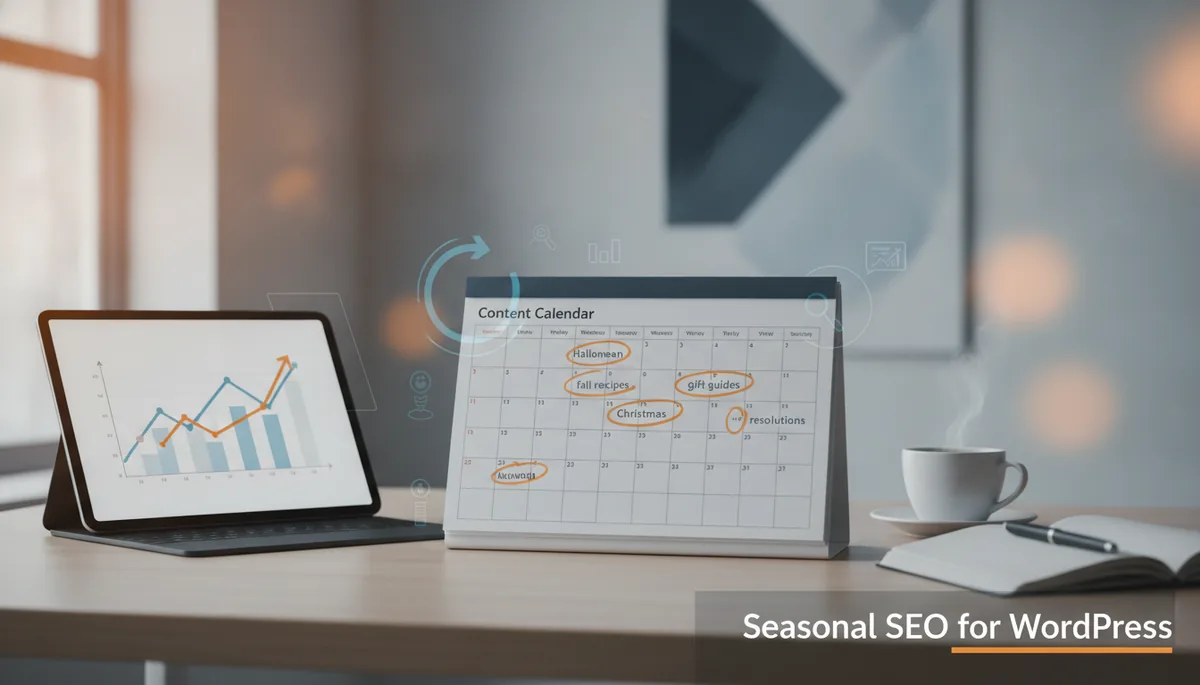
Set a publishing cadence that you can actually maintain—consistency beats sporadic virality. For most solo creators, a post every 5–7 days is an excellent balance of momentum and quality. Use a simple content calendar (Google Sheets or Trello) with columns for idea, keyword, owner, draft due, publish date, and internal links. Review gaps monthly and refresh older posts with updated info and new internal links. In my projects, the single most effective habit is “publish + link back to the pillar”—it’s like feeding your site breadcrumbs so search engines follow the trail.
Create audience personas (2–3 types) to shape tone and format: a hobbyist who wants quick wins, a small-business owner looking for tools, etc. This prevents vague "catch-all" posts that please no one. When planning each post, list the primary intent, target keyword, suggested headings, and at least two internal links to existing content. This makes writing faster and helps your site develop topical authority faster than random posts tossed into the void.
On-Page SEO and WordPress Optimization
On-page SEO is where technical behavior and human writing meet. Start with titles and meta descriptions: keep titles ~50–60 characters and front-load the main keyword when natural; meta descriptions should be ~150–160 characters and sell the click with a concise benefit statement. Avoid duplicate titles and meta across your site. A clean URL slug matters too—lowercase, hyphens, and short: /best-budget-blenders-2026 beats /product/comparison?ref=532. WordPress SEO plugins will show previews, but always read the output for tone and accuracy.
Structure your content with one H1 (the post title), H2s for main sections, and H3s for subsections. This hierarchy helps readers, screen readers, and search engines. Use concise heading phrases that mirror search intent (for example, "How to Revive a Dormant Sourdough Starter" rather than "All About Starters"). Include relevant images with descriptive alt text—alt attributes are prime real estate for accessibility and minor keyword signals. If a post answers common questions, add FAQ schema via your SEO plugin or a block editor; FAQ markup can help earn rich results.
Internal linking is deliberate, not accidental. Link cluster posts back to the pillar and to related posts within the same topic cluster. Use descriptive anchor text that reads naturally (e.g., “container gardening basics” rather than “click here”). For automation enthusiasts, tools like Trafficontent can suggest internal links and generate SEO-focused outlines, saving time when you’re publishing often. Remember: content is for people first, search engines second—write to help, then optimize for discovery.
Speed, Security, and Free Theme Setup
If your site loads like a tortoise in molasses, even great content loses. Choose a lightweight free theme—Astra and GeneratePress are reliable, fast, and look professional without bloat. Avoid multipurpose themes that promise the moon and deliver heavyweight CSS and JavaScript. A clean theme plus a few targeted plugins will get you a snappy site without needing a tech degree.
Install a caching plugin (WP Super Cache or W3 Total Cache) and enable page caching, minification, and browser caching. For images, use a free optimizer like Smush or ShortPixel (lossless options available) and enable lazy loading so below-the-fold images don’t slow the initial render. Test speed with Google PageSpeed Insights: https://developers.google.com/speed/pagespeed/insights/. Aim for a mobile First Contentful Paint under 2–3 seconds—if your site is slower, compress images and remove unused plugins before blaming the host.
Security and backups are boring but essential. Get an SSL certificate via your host or Let’s Encrypt and force HTTPS in Settings > General. Install a security plugin (Wordfence or Sucuri) and enable two-factor authentication for admin accounts. Backups with UpdraftPlus or a host-managed snapshot solution keep you from waking up to a blank site. Speed, security, and a minimal theme are the three easy wins that stop small problems from becoming career-limiting afternoon projects.
Templates and Writing Workflows to Write Faster
Writer’s block is the enemy of momentum. Use a reusable post template to remove the blank page anxiety. My go-to template: Hook (a short, punchy opener), Quick Summary (what the reader will learn in two sentences), 3–5 H2s with bullet points under each, a real-world example or case study, and a concise CTA. Save this as a reusable block or document so every post begins from structure, not chaos. It’s like having a reliable recipe instead of guessing measurements for a soufflé at midnight.
Create a one-page content brief for each post before drafting. Keep it tight: primary keyword and intent, audience persona, target word count, required sections, suggested internal links, and image needs. This brief reduces revisions and keeps your piece aligned with SEO aims. If you use tools like Trafficontent, briefs and outlines can auto-populate from your keyword research, pairing speed with relevance. In my projects, a two-minute brief often halves drafting time because the path forward is clear.
Write in batches. Draft three posts in one sitting, then edit and schedule them later. Batching leverages momentum—your brain stays in the same mode and writes faster. For editing, run a quick checklist: title optimized, meta set, H1 present, internal links added, image alt text filled, schema where relevant, and a final mobile preview. Keep this checklist pinned where you edit. It sounds obsessive, but habits save time when you’re publishing weekly rather than occasionally panicking on launch day.
Growth Hacks and Monetization without Heavy Ad Spend
You don’t need a six-figure ad budget to get readers. Start by promoting content where your audience already is. Pick 2–3 platforms—Pinterest for discoverable visuals, X for short updates, and LinkedIn for professional reads—and post consistently. Turn each blog post into multiple micro-assets: a carousel for LinkedIn, 3–5 tweets or X posts, and 5–10 Pinterest pins with varied images and headlines. Repurposing is the content marketer’s version of magical cloning.
Build an email list from day one. Offer a simple, high-value lead magnet: a one-page checklist, a quick-start WordPress guide, or a short content calendar template. Place opt-ins in the post footer, sidebar, and as a subtle exit-intent popup. Use free tools like Mailchimp or Substack to start; nurture your list with a short welcome series and occasional useful updates. I’ve watched small lists drive meaningful revenue because those subscribers trust you more than cold social traffic.
Monetization options include affiliate links (be honest and useful), digital products (ebooks, templates), and sponsorships when your niche is targeted. Affiliate revenue works well when paired with review or comparison posts that match commercial intent. If you want to scale without pumping money into ads, consider automation tools (Trafficontent can help generate SEO-optimized drafts and images) and funneling organic traffic into email sequences that deliver value over time. Ads are fine later; early on, invest time in content that keeps paying back.